Shoppers of democracy are turning up at the ballot box: Maryland voters will see an unusually large slate of openly LGBTQ candidates and allies on the June 23 primary ballot, from county executives to local school boards , and their wins could reshape state politics and community services.
Essential Takeaways
- Historic firsts possible: Several candidates could be Maryland’s first transgender officeholders or its first openly trans member of the General Assembly.
- Incumbents defending ground: A number of openly gay and lesbian lawmakers, including State Dels. Joe Vogel and Gabriel Acevero, are seeking re-election.
- High-profile contests: The Montgomery County Executive race and multiple congressional primaries feature familiar names and shifting alliances.
- Local impact: School board, county council, and register of wills contests include queer candidates whose wins would affect everyday services.
- Policy signals: Candidates are campaigning on issues from pay equity and ICE policy to housing, healthcare and environmental protection.
Why Montgomery’s race matters , and why Evan Glass is a frontrunner
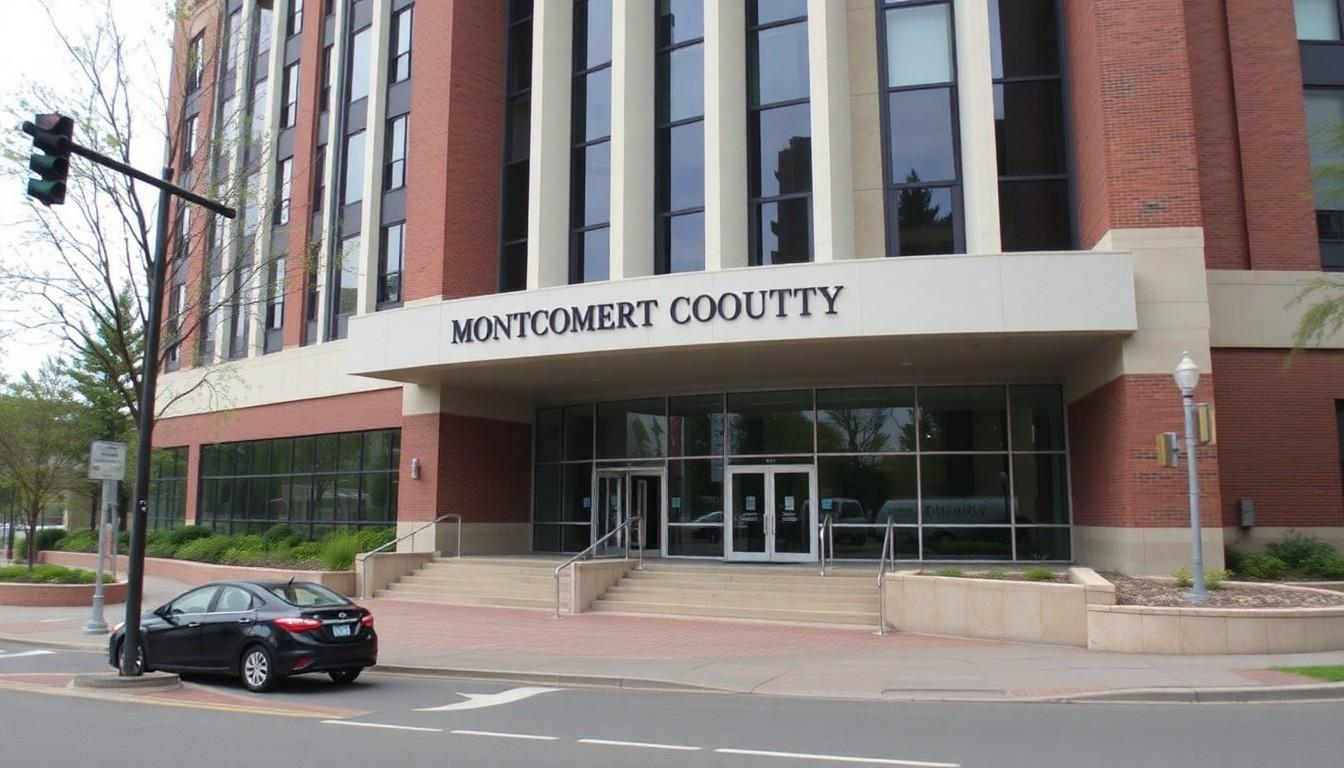
Montgomery County has become a focal point this primary, and you can feel the stakes when you read the mailers and hear the ads. Evan Glass, an at-large county councilmember, leads the pack for county executive thanks to name recognition, a track record on local reform and an endorsement from environmental groups like the Sierra Club. His supporters point to the Pay Equity Act and the ICE Out Act as concrete wins, while critics worry about big-picture county management.
Glass made history in 2018 as the first openly gay Jewish man on the council, and that identity still plays into his narrative , voters say his presence signals a county that’s embracing diversity. Montgomery County government webpages explain how the council operates and why the executive’s role matters to residents, from zoning to schools. For voters wondering how to pick a chief executive, look at policy delivery: who’s passed laws, who’s built coalitions, and who can translate values into services.
Trans candidates poised to make history , what’s at stake
Trans candidates are among the most consequential figures on this ballot. Josie Caballero could become Maryland’s first transgender woman elected to office, while Alleria Stanley, an Afghanistan combat veteran and Transgender American Veterans Association vice president, could be the first trans person in the General Assembly. That’s more than symbolism; it promises new perspectives on veterans’ care, healthcare access, and anti-discrimination enforcement.
These campaigns have a different texture , community meetings, veteran groups, and LGBTQ advocacy networks are heavily involved. Voters should consider experience and policy specifics: which candidates have a plan for mental health services, housing supports, or workplace protections? Electing trans officials would also send a message amid national debates about trans rights, and it could change how Maryland crafts local policy.
Congressional primaries: familiar names and shifting maps
Down-ballot excitement ripples into congressional races. Former Congressman David Trone is challenging Rep. April McClain Delaney in the 6th District, a race that invites scrutiny about legislative records and local priorities. Meanwhile, Maryland’s 5th District will replace retiring Rep. Steny Hoyer, and that open seat has attracted a crowded field: state Del. Adrian Boafo, former county executive Rushern Baker, ex-U.S. Capitol Police officer Harry Dunn and Quincy Bareebe among them.
These contests matter for representation and policy: Hoyer was known for supporting LGBTQ rights, and his retirement opens a debate about continuity versus change. If you’re watching these primaries, check candidates’ stances on national issues like military and civil rights, and local matters like constituent services. Endorsements and past records , including votes on equality measures , often tell a reliable story.
Incumbents on the ballot , who’s defending progress
A slate of openly gay and lesbian incumbents are running for re-election and largely campaigning on continuity. State Dels. Joe Vogel and Gabriel Acevero, who made waves in previous campaigns, are returning to defend their districts, while Anne Kaiser, Kris Fair, Ashanti Martinez, Mary Washington and Luke Clippinger seek to keep seats they’ve used to advance LGBTQ and civil rights legislation.
For voters, incumbency offers a track record to evaluate: did these officials deliver on promises about affordable housing, healthcare access, or banning harmful legal defences? Local reporting and legislative scorecards can help. If you care about steady progress on equality laws, re-electing experienced lawmakers is often the safer bet , though challengers sometimes bring fresh energy and new priorities.
Local races that shape daily life , school boards, councils and community offices
Not all impact comes from Annapolis or Capitol Hill. Jamar Day, Jamie McGonnigal, Matt Menter, Joe Toolan, Spencer Dixon and Byron Macfarlane are running in contests that directly affect classrooms, social services and county operations. Day could be the first openly gay member of Baltimore City’s school board, while Macfarlane seeks re-election as Howard County’s register of wills, a role he’s held since 2010.
Think of these races as the plumbing of democracy: they decide school policy, local legal processes, and boards that set priorities for housing and public health. Voters should look beyond headlines and ask candidates about day-to-day implementation , budgets, crisis response, and partnerships with community groups. These offices may not get prime-time attention, but their decisions land in residents’ lives every week.
How to decide who to back , practical tips for voters
Start local: look up your ballot, note races with LGBTQ or ally candidates, and read their websites for specific policy plans. Attend a forum or watch a recorded debate to see how candidates handle tough questions on housing, healthcare and education. Check endorsements from local groups , environmental, veterans, education unions and LGBTQ advocacy organisations , but weigh them alongside concrete achievements.
If you’re undecided, compare track records on issues that matter to you and consider electability in your precinct. Small offices often hinge on turnout, so your vote really counts. And remember, change can be incremental: electing someone to a county board might be the opening move toward bigger state-level breakthroughs.
It's a small change that can make every vote count.
Source Reference Map
Story idea inspired by: [1]
Sources by paragraph: