Celebrate loud, colourful and sweaty , Pride Runs are back in full force across the US this June, with community-focused 5Ks, 4-milers and festival-style races that raise money for local LGBTQIA+ groups and serve up DJs, costumes and post-race parties. Find a nearby run and make your miles count.
Essential Takeaways
- Historic roots: Pride Runs trace back to post-Stonewall organising and the first organised Pride run in New York, turning commemoration into celebration.
- Varied distances: Expect 5Ks, 4Ks/8Ks and the classic 4-mile community runs , there’s something for every pace and confidence level.
- Community benefit: Most events raise funds for local LGBTQIA+ nonprofits, so your entry fee supports services, outreach and safe spaces.
- Party finish: These aren’t your quiet parkruns , think DJs, food stalls, costumes and a lively festival atmosphere at the finish line.
- Family friendly: Many races include kid dashes and accessible options, making Pride Runs a multigenerational celebration.
Why Pride Runs still matter , history you can feel on the pavement
Run with the music up and you’ll be running through history. The Stonewall Riots of 1969 are the reason June is Pride Month, a fact widely explained by historians and institutions such as Britannica and History.com. Those uprisings in Greenwich Village shifted months of protest and pride into an annual celebration and public reclaiming of space. Running events grew out of that spirit , turning remembrance into movement, literally and figuratively. If you lace up for a Pride Run, you’re joining a tradition rooted in resistance and community joy.
What to expect at a Pride Run , the party that happens to include running
Expect more glitter than utilitarian race gear, and that’s part of the fun. Contemporary Pride Runs blend sport with festival culture: DJs on the route, costumed runners, family zones and post-race beer gardens or food trucks. Outside Online’s roundup highlights races that pair competitive distance options (4K, 8K, 5K, 10K) with big, social finishes. If you’re after a PB, choose a 4K or single-loop 8K; if you want full-on revelry, sign up for the city-centre runs with festival programming.
Picking the right distance , how to choose if you’re new or returning
Not every Pride Run is a 5K , some cities, like Seattle, offer 4K and 8K courses that might actually be better for a fast, festive outing. If you’re new to running, a flat 5K at a community event will feel supportive and inclusive; parents with small kids should look for kid dashes and family start waves. For habitual runners, the 4-mile New York Front Runners event has decades of history and can be surprisingly quick and well organised. Check the course map and surface before you pick; sandy or looped park courses suit steady pace-work, while city loops are usually flatter and faster.
Who benefits , why your entry fee matters
Most Pride Runs give proceeds to local LGBTQIA+ organisations , everything from homeless youth services to health equity groups. Many of the races in June explicitly support charities: San Francisco’s event, for instance, channels funds to organisations that tackle health disparities in marginalised communities, while others back local centres and shelters. Running here is more than symbolic; your small entry fee helps keep vital services running year-round.
Accessibility and inclusivity , what organisers are doing right now
Accessibility is increasingly central to Pride Runs. Volunteer-run races often include multiple start waves, stroller-friendly routes, and clear guidance for participants with mobility or sensory needs. Organisers tend to publish accessibility notes and contact lines in advance, so if you or someone you run with needs a quieter start or a personal support plan, reach out before race day. Inclusion also shows up in programming: many events partner with queer POC organisations and highlight intersectional fundraising priorities.
Where to go this month , pick your vibe
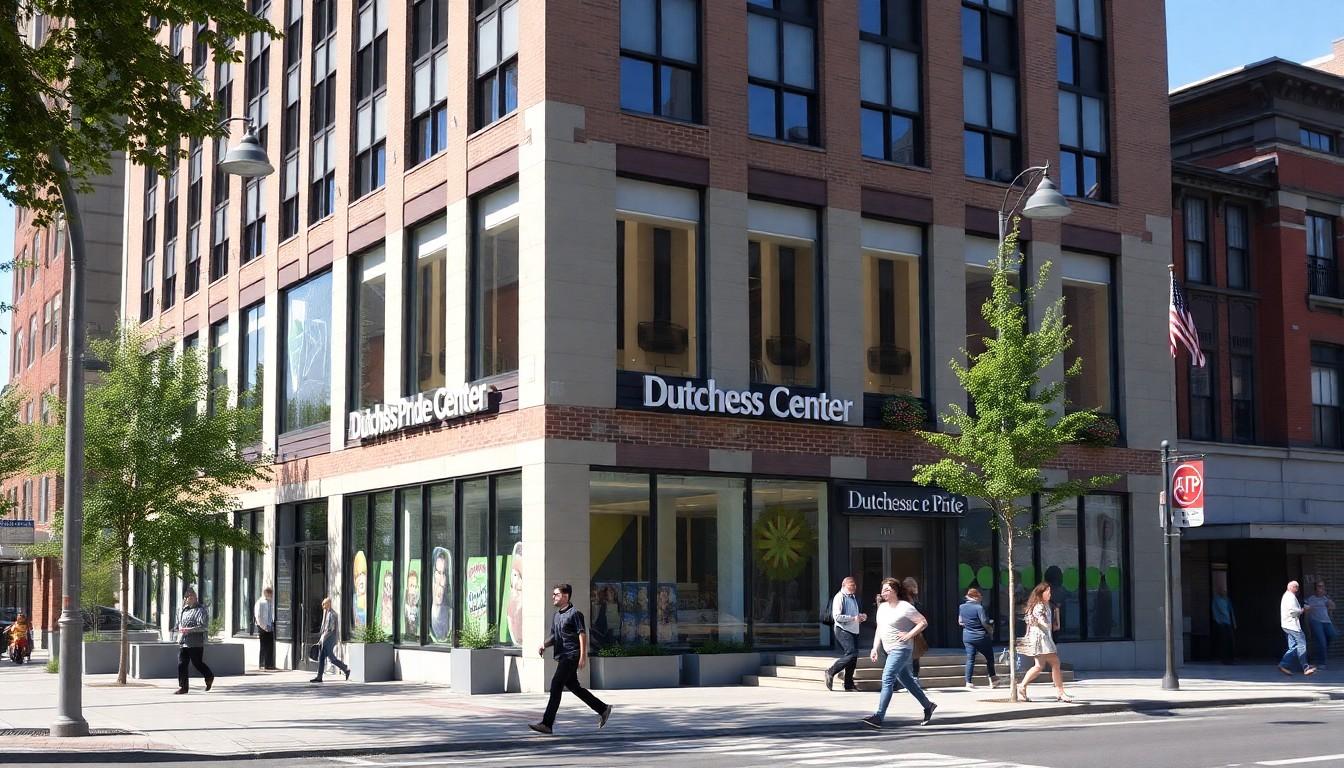
If you want legendary scale and spectacle, the Front Runners New York 4-mile event is a flagship , it’s been a cornerstone of Pride for decades and, historically, drew enormous fields. San Francisco’s race is also a marquee event with a strong volunteer base and focused fundraising. For warmer-weather beach vibes, look at Montrose Beach in Chicago or West Palm Beach’s community run. Smaller towns and park runs, like the Dutchess County or Poughkeepsie events, offer a more intimate, neighbourly feel if you prefer less bustle.
It’s a small change that can make every mile mean more.
Source Reference Map
Story idea inspired by: [1]
Sources by paragraph: