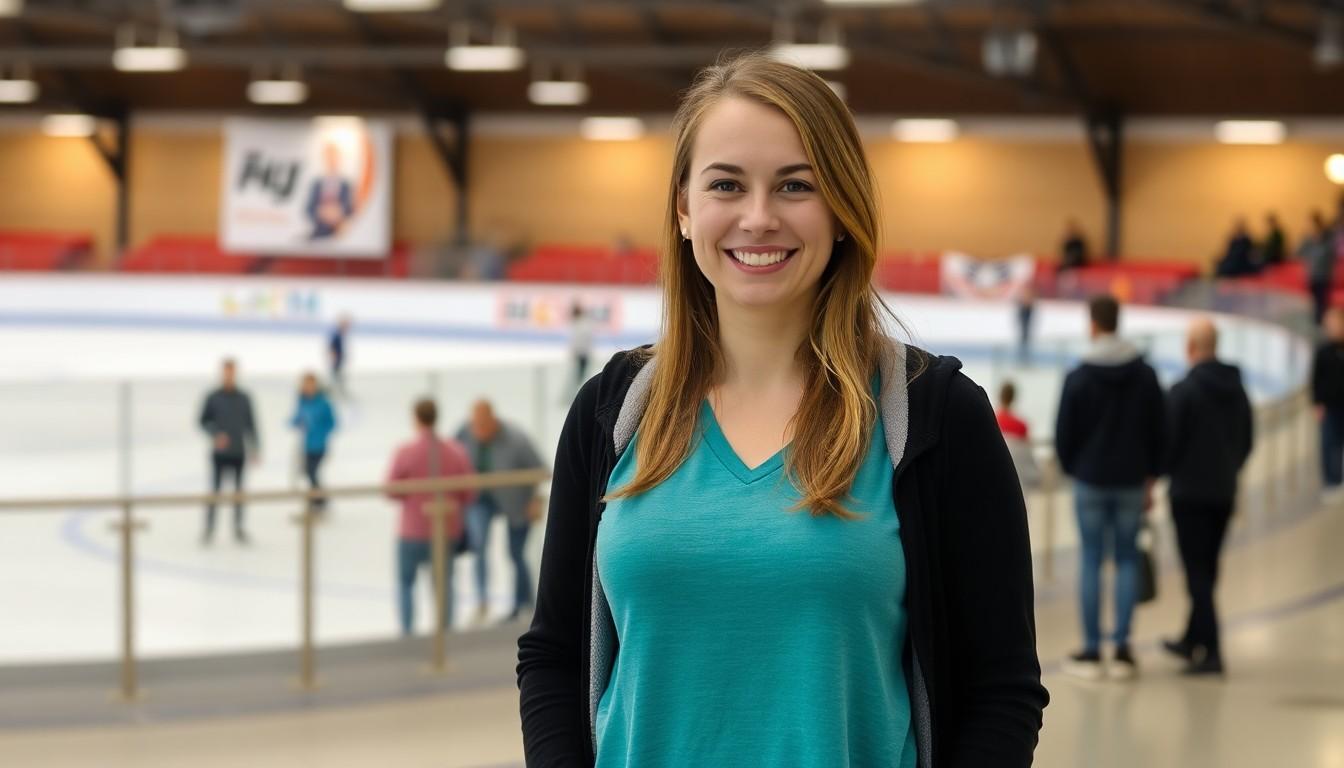
Shoppers of spectacle and supporters of community alike turned up as the University of Utah figure skating team staged "Pride on Ice" at Salt Lake City's Sports Complex, a colourful, queer-affirming show that mixed club skaters, local drag performers and open skate for everyone , and reminded Utah that visibility matters.
Essential Takeaways
- First-of-its-kind show: The University of Utah figure skating team produced its first dedicated pride performance, staging a multi-act programme with local skaters and drag artists.
- Local drag collaboration: Performers Diana Lone and Rosa Rica joined the production, lending theatrical flair and community perspective; their setlists mixed mainstream allies and queer musicians.
- Safe, joyful space: The event included an open skate so audience members could join on ice, creating a welcoming, low-barrier experience.
- Community impact: Skaters and organisers said the show helped queer skaters feel seen in a state where coming out can still be hard, with emphasis on solidarity and celebration.
- Broad participation: The line-up featured University club members and skaters from other local clubs, signalling growing inclusivity across Utah’s skating scene.
A bold opener: skating, sequins and solidarity
The first sight of the rink was cinematic , bright colours against the clean, cool ice, and the easy smile of skaters who looked like they were having the best possible time. According to organisers, the event was the figure skating club’s first performance explicitly dedicated to Pride, and that made the atmosphere feel electric. The combination of team choreography and drag performance turned routine spins into statements, and the crowd responded with warmth and clapping at every flourish.
The show was put together by Andee Lyons, the club’s founder and president, who started the team in 2024 and wanted a space where queer skaters could perform proudly. Lyons has skated for more than a decade and said she noticed a gap in visible pride within Utah’s skating community. So, she gathered people, booked the Sports Complex and leaned into spectacle with intention.
Allies and anthems: why the playlist matters
Organisers split the programme into themed acts; the first was a salute to allies and the music that’s become anthemic for many queer fans. Diana Lone and Rosa Rica explained that although they may not each identify as LGBTQ+, they stand firmly alongside the community and chose songs that unite crowds. That decision felt smart: familiar pop tracks make a show accessible to families and allies, while still signalling solidarity.
The choice to blend mainstream hits with overtly queer tracks reflected a wider trend in live events , mixing the familiar with the specific to draw in a broader audience. If you’re planning to stage something similar, pick a set list that hooks casual listeners first, then introduce more niche queer artists as you build momentum.
Queens and queers: visibility on ice
The second act featured work from openly queer musicians such as Chappell Roan and Troye Sivan, and it shifted the tone into something more intimate and celebratory. Skaters and performers leaned into character, telling short stories with movement and costume changes that felt personal rather than performative. For many in the crowd, seeing names and artists represented on ice is a small but potent reminder they aren’t alone.
Members of the club said the show wasn’t just entertainment; it was a resource. Young skaters who might be struggling with identity found models on the ice, and older skaters found a place to be visible. The format , a staged show followed by an open skate , made it easier for newcomers to move from audience to participant, which matters when building community.
Community ripple effect: more than a one-off
Bringing together university teams and other local clubs signalled collaboration rather than competition. That’s important in a state where community resources can feel fragmented. Local skating organisations and broader Pride events around Utah have been expanding in recent years, and this show fits into that momentum by offering a queer-affirming space inside a traditionally conservative sport.
Events like this can also shift perceptions within clubs and regional bodies. When skaters perform proudly on home ice, it offers a nudge to organisers elsewhere that inclusive programming is both possible and warmly received. If you’re part of a club, consider hosting a themed session or partnering with local Pride groups next season.
Practical tips for organisers and attendees
If you’re inspired to recreate something similar, start small: secure a rink time with an open-skate slot, invite a couple of local performers, and make tickets affordable or pay-what-you-can. Promote inclusivity in your copy , clearly state it’s a queer-friendly event and list accessibility details. For attendees, bring layers (rinks can be chilly), skate guards if you have them, and an open mind; open skate after a show is the best way to meet people and try out moves in a supportive setting.
And for club leaders worried about backlash, remember that visibility often starts quietly , with a rehearsal, a playlist and a few brave performers , and grows when people feel seen and safe.
It's a small change that can make every glide on ice feel a little more like home.
Source Reference Map
Story idea inspired by: [1]
Sources by paragraph: