Notice how Pride can feel both celebratory and constraining; many queer people find the month complicated, commercialised and emotionally loaded. This piece explores why Pride might make you feel like an outsider in your own community, who benefits from corporate Pride, and how to reclaim a version of the month that actually fits you.
Essential Takeaways
- Commercial pressure: Pride has become a major marketing moment, with brands often prioritising logos over meaningful support.
- Identity friction: Feeling out of step with mainstream queer culture is common and doesn’t make you a fraud.
- Historic spaces matter: Places like Fire Island hold deep queer history, but access and resonance vary by person.
- Personal Pride wins: Small, private rituals , a song, a walk, a favourite film , can be as valid as parades.
- Practical guardrails: Look for charities, community-run events, and transparent corporate donations to distinguish genuine allies.
Why Pride month can hit like a surprise emotional punch
June arrives and for some, the calendar flip feels less like a party invitation and more like a test. There’s a tactile unease here , the bright flags and branded merch create sensory overload that can make private feelings feel public. According to reporting on the history of LGBT marketing, Pride’s calendar position turned it into a lucrative advertising slot, which amplifies that pressure. If you’ve ever felt you’re “not gay enough” or question your place in the crowd, you’re far from alone; cultural expectations and marketing narratives help create those invisible benchmarks.
Corporations aren’t villains by default , but their motives matter
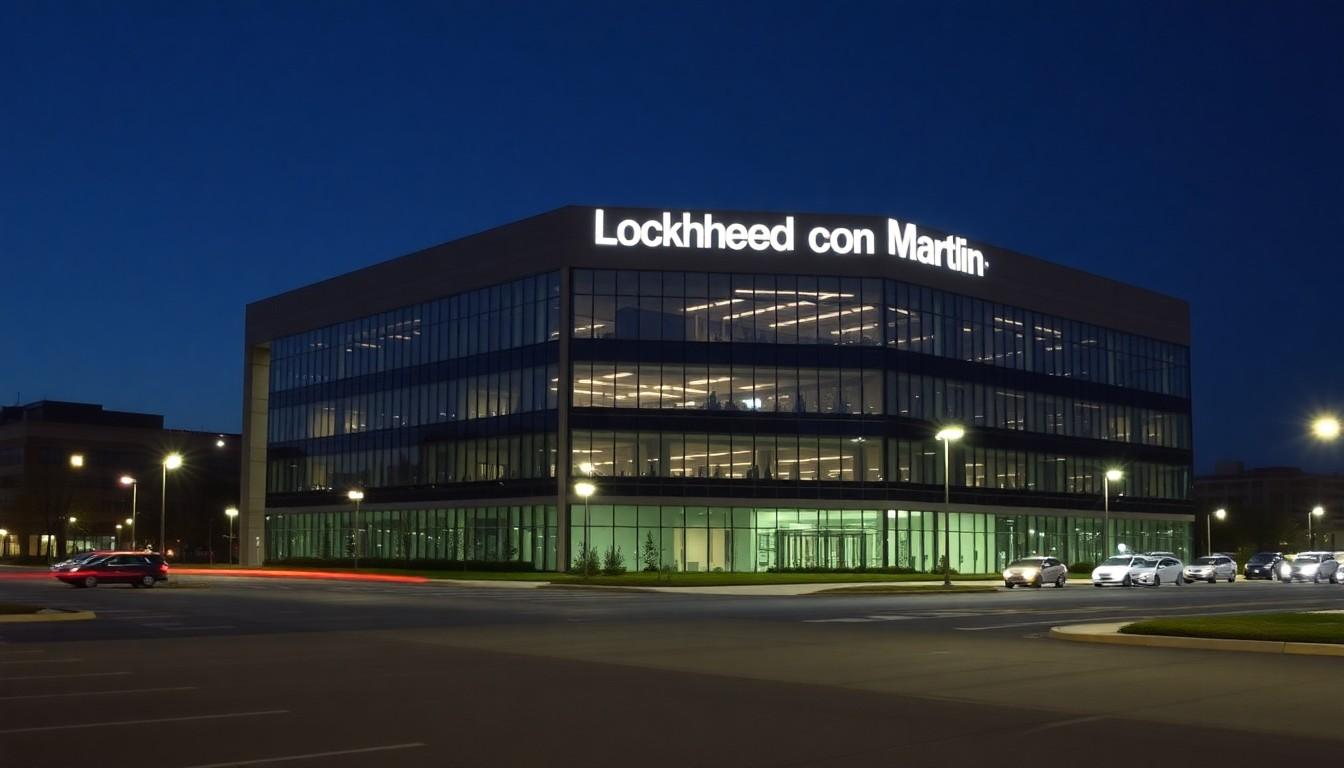
Brands plastering rainbows everywhere is hardly new, and journalism on corporate Pride shows a long arc from allyship to opportunism. When a multibillion-dollar company shows up with a float but no local investment or charitable giveback, the gesture rings hollow. Look for transparency: real support shows as sustained funding for queer services, employee protections, and community partnerships. If a Pride logo comes with no follow-through, treat it as window dressing, not solidarity.
Historic queer spaces like Fire Island hold weight , but aren’t compulsory
There are places whose cultural resonance can feel almost reverent, and Fire Island is one of them for many gay men. History pieces chart how such spots became havens before mainstream visibility; they’re archives of survival, joy and resistance. That said, resonance isn’t universal. High costs, accessibility issues and personal taste mean that a site’s cultural aura won’t spark the same feeling in everyone , and that’s OK. You don’t have to pilgrimage to feel connected to queer history; connection can be found in other, quieter ways.
The digital age changed how we curate queerness , for better and worse
Growing up online let many of us assemble identities piece by piece, but commercialisation soon followed. Scholars and reporters note that platforms and ad models turned self-expression into data and products, which can feel like a betrayal when your uniqueness becomes an algorithmic tag. That tension helps explain why some people resist prescriptive notions of gayness; they’ve learned to value personal choice over broadcasted stereotypes. So if Pride’s mainstream image feels manufactured to you, remember it’s a legacy of platforms trying to monetise authenticity.
How to have a Pride that actually fits you
There’s no single right way to mark Pride. Start by trimming the noise: pick events run by grassroots groups, donate to verified charities, or create a small ritual that matters to you , a walk with a favourite track on shuffle, a film night with friends, or time alone to reflect. Vet corporate partners by checking for tangible commitments to queer causes, not just colourful logos. And give yourself permission to step away from performative expectations; being private or contemplative during Pride isn’t an insult to predecessors, it’s an honest expression of who you are.
It's a small change that can make every Pride a truer, kinder experience.
Source Reference Map
Story idea inspired by: [1]
Sources by paragraph: