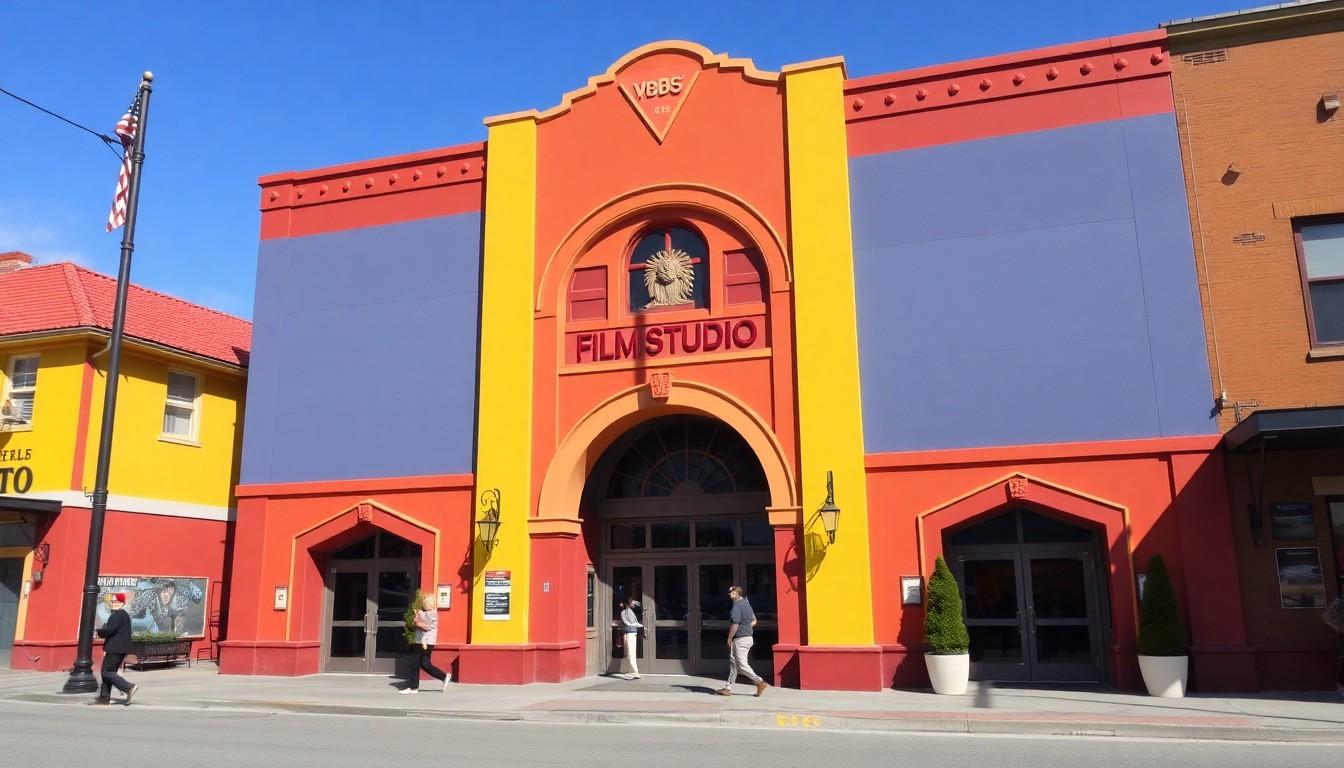
Shoppers are turning to inclusion: Canada’s screen sectors have launched Pride in Production, a new national push to make film, TV, streaming and games workplaces safer and more creative for 2SLGBTQIA+ professionals , and it matters because feeling safe at work helps better stories get made.
Essential takeaways
- National reach: Pride in Production targets Canada’s film, television, streaming and video game sectors with resources and training.
- Evidence-backed: A June 2024 Pink Triangle Press poll found 93% of industry pros value queer and trans representation, but only 41% see workplaces as inclusive.
- Practical tools: The initiative offers online courses and a toolkit aimed at day‑to‑day inclusion, safety and culture change.
- Backed by key players: The Canada Media Fund and major indie producers are supporting the effort, which prioritises Two‑Spirit, trans and non‑binary staff.
- Creative upside: Organisers say safer workplaces boost creativity, helping teams produce richer Canadian stories that reflect diverse audiences.
Why Pride in Production landed now , and why it feels urgent
There’s a quiet urgency to this initiative: trans and non‑binary workers in the screen industry reported feeling the least safe, and that’s a problem that goes beyond morale. When people are anxious or excluded, their creative voice is muted and projects lose nuance. Pink Triangle Press launched the programme after its research showed a glaring gap between how much professionals value representation and how many actually feel included at work. The toolkit and training aim to close that gap, with a practical, day‑to‑day focus rather than lofty statements.
What the toolkit actually does , courses, checklists and on‑the‑job fixes
Think of the Pride in Production resources as a workplace first‑aid kit for inclusion: online modules for HR and managers, policy templates, and practical guidance on things like pronouns, bathrooms, and casting practices. The emphasis is on simple, repeatable steps that make an immediate difference , for instance, standardising how teams talk about gender or how productions handle confidentiality. Organisations can use the materials to audit their practices and patch obvious holes fast, so queer and trans staff can feel safer from the craft table to the green room.
Industry buy‑in matters , who’s behind the push
This isn’t a lone NGO doing fine work in isolation. The Canada Media Fund, the country’s largest TV financier, is backing the initiative, and independents such as Shaftesbury, Antica Productions and Blink49 Studios are involved. That combination of public funders and producers gives the project teeth: when financiers and lead producers signal that inclusion matters, policies are more likely to stick on real productions. It’s the sort of institutional support that helps training move from a checkbox to everyday practice.
How this fits into wider trends , Canada versus the US
Canada’s move comes at a moment when approaches to diversity and inclusion are diverging across North America. While some US corners have rolled back DEI programmes, Canada’s entertainment industry has doubled down since 2020 on bringing more voices into the room, backed by government incentives and tax credits. That context helps explain why a resource like Pride in Production could be effective here: there’s already momentum around diversifying pipelines and funding, so these new tools can plug into existing initiatives and speed practical change.
How creatives and employers can use the toolkit tomorrow
If you’re an employer, start small: adopt a pronoun policy, offer training to crew leads, and make restrooms accessible. If you’re a queer or trans creator, use the toolkit to know your rights and to bring clear requests to producers , and push for inclusion clauses in contracts or funding applications. For producers, a quick audit of hiring and casting practices can reveal low‑effort, high‑impact fixes. The goal is not perfection overnight but steady shifts that make every set and office a little safer and more productive.
It's a small change that can make every production a better place to work and a bolder place to tell stories.
Source Reference Map
Story idea inspired by: [1]
Sources by paragraph: