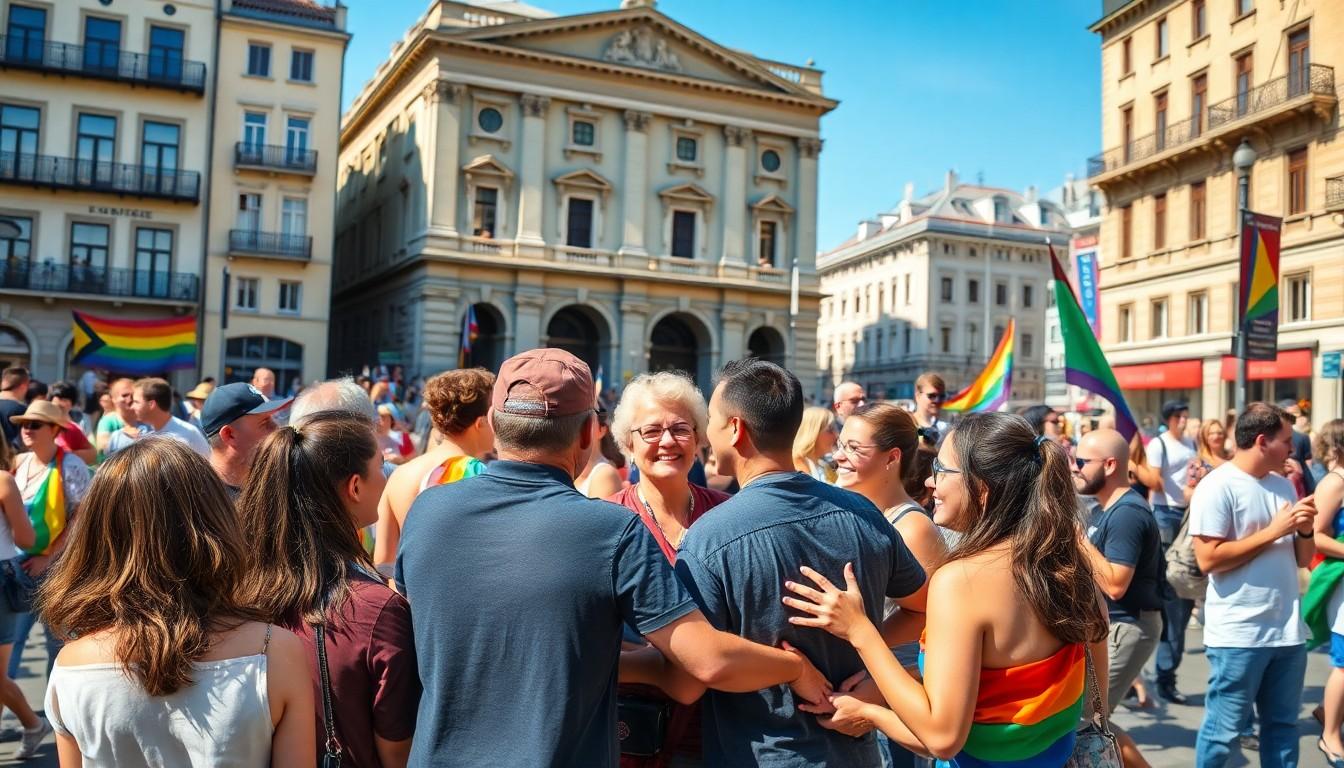
Shoppers are turning to a different kind of Pride this year , one rooted in riot-born history, chosen family and collective care; activists, historians and community leaders say reclaiming joy is both a survival strategy and political act in places where rights are under attack.
Essential Takeaways
- Origins matter: Pride began as the Stonewall uprising, led by trans women of colour and street youth, not as a commercial parade.
- Joy is protective: Research links community connection and affirmation with lower rates of depression and suicide.
- Community care is action: Watching drinks, making exit plans and asking before you touch are practical safety measures.
- Prioritise the marginalised: Centre trans and BIPOC LGBTQ+ voices when choosing events, businesses and creators.
- Show up beyond visibility: Use privilege and resources to invite, shelter and support those who might be isolated.
Why Pride started as resistance, not a party
The loudest truth about Pride is that it began in resistance , not confetti. When police raided the Stonewall Inn in June 1969, people fought back; Marsha P. Johnson and Sylvia Rivera became shorthand for a rebellion that was led by trans women of colour and street youth. According to accounts compiled by History, that confrontation marked the beginning of a sustained movement rather than a singular celebration. Understanding that origin reshapes how we show up: Pride is a commemoration and a call to action, with a tendency to feel both fierce and celebratory at once.
Joy as a deliberate, political choice
Celebration isn’t escape; it’s strategy. In an era when laws in some states are aimed at restricting drag, criminalising aspects of trans existence, or limiting access to gender-affirming care, choosing to be joyful is a clear refusal to be erased. Researchers and mental-health advocates point out that affirmation and belonging are protective factors against anxiety and suicidality in LGBTQ+ communities. So when you dance, laugh or hold a chosen-family picnic, you’re doing something that matters to survival, not just to spirit.
Building chosen family: practical ways to widen your net
Chosen family is one of queer culture’s most radical gifts , it’s how you intentionally pick the people who have your back. Practically, that might mean inviting someone who tends to be excluded, splitting a Pride outfit cost with a friend who can’t afford it, or rotating hosting duties so care is shared. Axios reports spotlight moments and figures in Latino and other overlooked LGBTQ+ histories, reminding us that inclusion is ongoing work. Making space takes small, repeatable gestures more than grand statements.
Safety and care: the everyday mechanics of resistance
Collective care is quiet, specific and often lifesaving. It can look like everyone in your group agreeing on clear exit routes, assigning a sober friend to monitor the crowd, checking in after an event, or normalising consent conversations before physical celebration begins. These are the practices that turn a party into a protective environment. They’re not moralistic , they’re pragmatic: when people feel safer, they can stay visible and keep resisting together.
Centre trans and BIPOC voices when you plan or support Pride
Stonewall’s leadership tells us who we should be elevating now. Whether you’re buying merch, choosing which march to attend, or amplifying creators online, prioritise spaces led by those most marginalised. Museums, monuments and memorial efforts have begun to catch up , Axios covered recent moves to commemorate Johnson and Rivera , but funding and attention still skew towards the mainstream. Your tickets, donations and social media clicks can help rebalance that.
What to do if you want to help but don’t know where to start
Start small and be consistent. Volunteer with a local LGBTQ+ helpline, donate to bail funds and mutual aid networks, or offer your spare room during a Pride weekend to someone who can’t afford a hotel. If you’re an employer or organiser, review accessibility and safety policies: are rest areas, gender-neutral toilets and quiet spaces provided? These practical fixes turn solidarity into something tangible that people can rely on.
It's a small change that can make every celebration both safer and more defiant.
Source Reference Map
Story idea inspired by: [1]
Sources by paragraph: