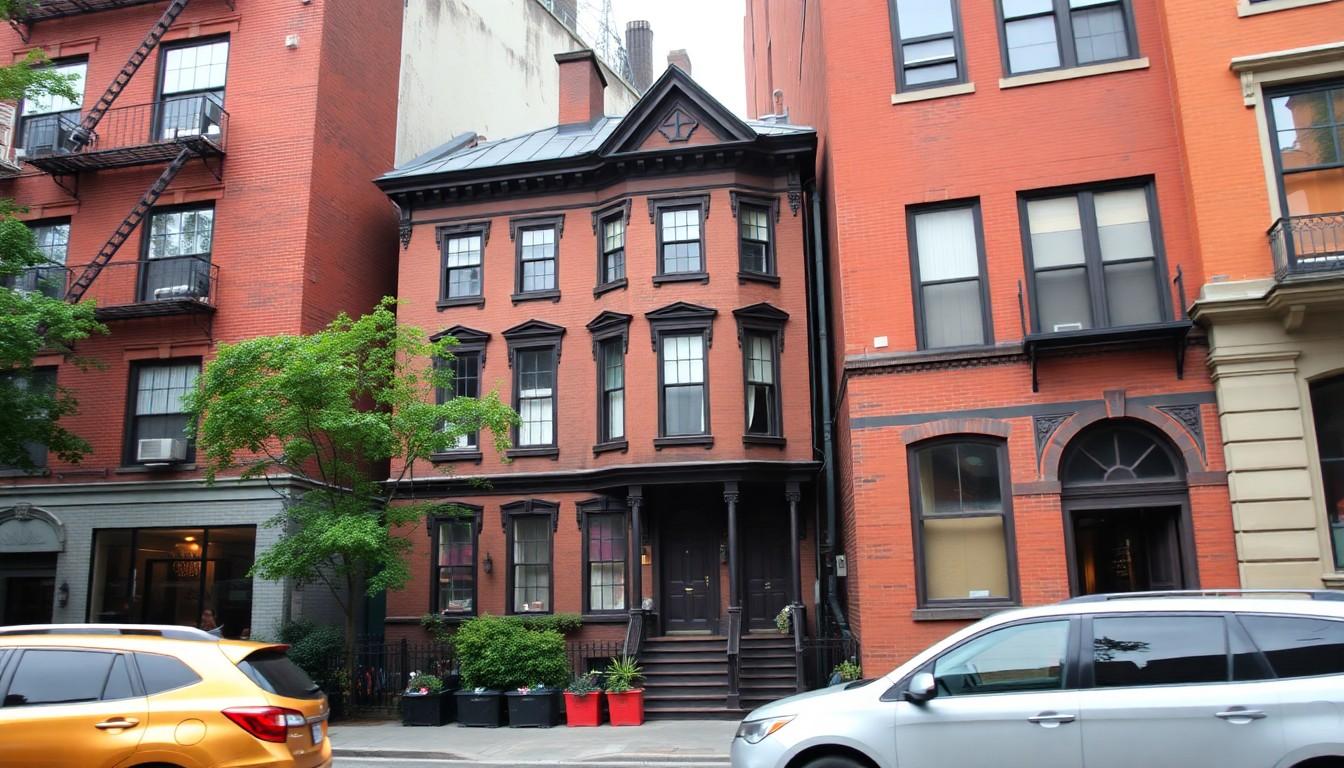
Shoppers of stories and history buffs are gathering in Greenwich Village this June as the NYC LGBTQ Historic Sites Project highlights lesbian history, culminating in a moving tribute to Eve Adams , a tearoom owner whose life ended in Auschwitz after police entrapment and deportation; the events matter because they reclaim forgotten lives and press for justice.
Essential Takeaways
- Historic tour: The NYC LGBTQ Historic Sites Project led multi-day events on June 16–17 tracing lesbian places across Greenwich Village, with a focus on under-told stories.
- Eve Adams spotlight: Adams ran a 1920s lesbian tearoom, was entrapped by police, convicted and deported, and later perished at Auschwitz-Birkenau.
- Local landmarks: Stops included 150 West Fourth Street, Sheridan Square’s Café Society connection, and 129 MacDougal Street , now La Lanterna , where Adams’s tearoom once stood.
- Civic action: Manhattan Borough President delivered letters asking the mayor and governor to formally acknowledge the injustice of Adams’s conviction and seek a posthumous pardon.
- Atmosphere: Events combined neighbourhood walking tours, author-led talks, quiet vigils and a likely-only-ever Kaddish for Adams, mixing remembrance with community organising.
A walking tour that feels like time travel
The afternoon tour through Greenwich Village has a particular smell , coffee, old brick, and a quiet reverence as people gather outside familiar façades. Organisers Ken Lustbader and Amanda Davis led visitors from one landmark to the next, pointing out tiny details most passersby miss. According to the NYC LGBTQ Historic Sites Project, the route intentionally stitches together sites where lesbian life unfolded, from social clubs to music venues. If you’re choosing a tour, pick one that mixes stories with stops you can actually visit; that way history lands in a sensory, memorable way.
Eve Adams: a life reclaimed from the archives
Eve Adams’s story is both intimate and brutal: a Polish-Jewish immigrant who ran a tearoom frequented by women, she was arrested on 17 June 1926 and later deported after conviction on obscenity and “sapphism” charges. The Project’s June events marked the arrest’s centenary with talks and a vigil, and author Jonathan Ned Katz helped tell her full story. For many attendees, the revelation that a small, everyday place like a tearoom could become a site of persecution was a sharp reminder that history isn’t only grand monuments , it’s where people met, loved and were policed.
From Billie Holiday to the Pony Stable: neighborhood stories stitched together
The tour didn’t stop with Adams. It took in 150 West Fourth Street, known as the Mad Hatter pre-war and the Pony Stable Inn in the 1950s, and Sheridan Square where Café Society once hosted Billie Holiday’s debut of “Strange Fruit.” These detours show how queer life overlapped with broader cultural moments. Visitors left with a sense of how neighbourhoods evolve: venues change names and menus, but the echoes of past gatherings stay. If you’re planning your own route, map out music spots, cafés and church rectories , they often hold the best stories.
Civic gestures and the long arc of justice
Manhattan Borough President Adrienn Hoylman-Sigal used the occasion to hand letters to the mayor and governor asking for a formal acknowledgement of Adams’s wrongful conviction and a posthumous pardon. Actions like this link local memory work with official redress, and the Historic Sites Project has been pushing both public education and policy nudges. If you care about restorative recognition, support groups that pair research with civic outreach , petitions, letters and vigils are the practical tools that sometimes shift official records.
Vigils, Kaddish and the power of ritual
On June 17 Rabbi Sharon Kleinbaum led what organisers think may have been the only Kaddish recited for Eve Adams, blending Jewish mourning practice with queer memory work. These rituals make history tactile: people stand together, name the person, and mark absence. The Project’s programme also included a vigil and march, showing how remembrance can be both solemn and mobilising. For anyone attending similar events, bring something simple , a flower, a notebook , and allow space for both grief and curiosity.
How to visit and what to look for next time
The NYC LGBTQ Historic Sites Project keeps detailed pages about these sites and upcoming events, and their Eve Adams site offers background if you want to read ahead. When you visit, notice storefronts, building plaques and the scale of rooms that once hosted conversations deemed criminal. Photograph respectfully, ask locals about memories, and consider joining a guided tour to get context most plaques won’t give. It’s an easy, meaningful way to learn how small places hold big histories.
It's a small change to your weekend plans that can make every corner of the city feel a bit more alive and a lot more truthful.
Source Reference Map
Story idea inspired by: [1]
Sources by paragraph: