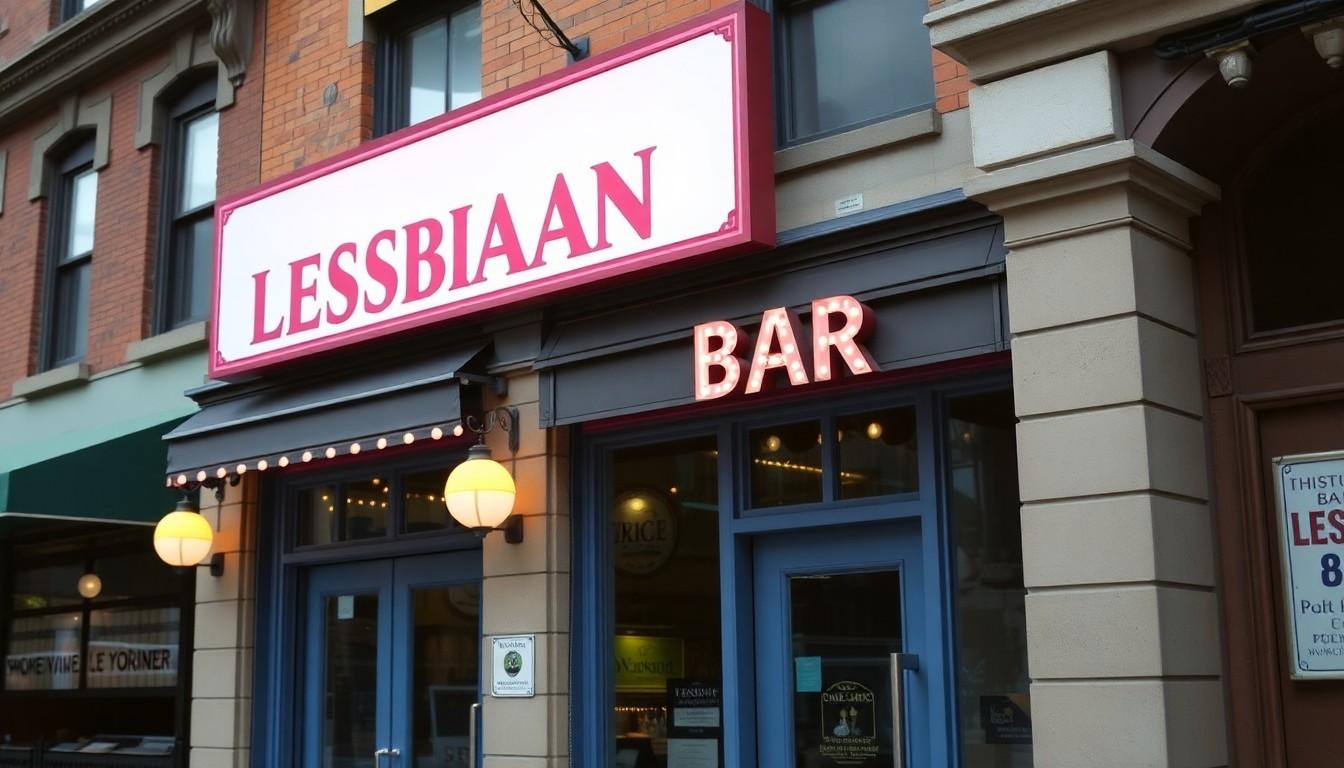
Shoppers and readers are turning to a road-trip memoir that maps queer community across America, Rachel Karp’s The Lesbian Bar Chronicles collects interviews, bar lore and the kind of lively detail that makes places feel real, and it matters for anyone curious about living LGBTQ+ history.
Essential Takeaways
- Road‑trip roots: The book grew from a 2021 cross‑country journey by Rachel Karp, Sarah Gabrielli and Jen McGinity to visit lesbian bars from coast to coast.
- Oral history rich: It weaves more than 100 hours of interviews with owners, staff and regulars into story-driven snapshots that feel immediate and warm.
- Geographic sweep: Chapters cover Northeast, Midwest, West Coast and the resilient Southern scenes, so you get regional differences and shared traditions.
- Community uplift: The project began as the Cruising podcast and now lives as a printed archive and touring event, useful for students, historians and queer readers.
- Practical ways in: Buy the book from Beacon Press, catch the Cruising podcast seasons, or see the authors on their June book tour to hear stories live.
A road‑trip with purpose: how a wild idea became a book
On New Year’s Eve 2021 Karp suggested something a bit mad and utterly affectionate: visit every lesbian bar in America. The travel image feels tactile, the gravel of small‑town car parks, last‑minute motel lights, the hum of a dashboard, because the book comes straight from that lived experience. According to Cruising’s material, the trip was manageable in part because reports at the time flagged only around 21 surviving lesbian bars, which made the itinerary heartbreakingly possible. But instead of a eulogy, Karp and her co‑travellers found stories and nightlife that still pulsed with life.
The transformation from road journal to book is logical and generous. The Cruising podcast already worked as an auditory archive, and Karp’s book expands that work into print, giving interviews permanence and context. Readers who listened to the podcast will recognise voices, while newcomers get a clear, chaptered tour of places that have shaped lesbian social life.
Oral history that reads like you’re in the room
The Lesbian Bar Chronicles is built on more than 100 hours of interviews, and that depth shows. Conversations with bar owners, longtime regulars and staff become scenes: the smell of a jukebox, the crackle of a microphone at karaoke nights, someone’s laugh at the bar. Those small sensory cues make each profile feel like a visit rather than a report.
Oral history is political and emotional work; in Karp’s hands it becomes archival storytelling. The book preserves names, traditions and nicknames, elements that academic articles often miss, so future researchers and queer folk tracing family and community histories will find it valuable as well as enjoyable.
Regional portraits: Northeast, Midwest, West Coast and the South
Karp doesn’t flatten lesbian life into a single narrative. Instead she travels region by region, New York’s Eve’s Hangout history, the Midwestern endurance of places like Slammers in Columbus, and West Coast scenes that carry different rhythms. The Southern bars emerge as particularly resilient, carving out space despite social and sometimes political pressure.
That geographic sweep matters if you’re choosing which stories to read first. If you want lore and legacy, start with the Northeast chapters; if you’re curious about long‑running neighbourhood institutions, dip into the Midwest profiles. There’s also a helpful takeaway for would‑be bar founders or supporters: context matters. What works in San Francisco won’t map directly to a small Southern city, and the book makes those differences vivid.
From podcast to page: why format change deepens the work
Cruising began as a podcast, and listeners have praised its candid interviews and on‑the‑ground energy. The move to a printed book gives those same stories a different weight, pages can be annotated, referenced in research, lent to someone who needs it. Beacon Press carries the book, and the trio continue to connect with audiences through events and a June book tour listed on cruisingpod.com.
For podcast fans, the book is a bonus; for readers who prefer text, it’s a gateway into the audio archive. Either way, the cross‑platform approach broadens access, and that feels like a quiet victory for preservation and community memory.
Why this matters now: new openings and a living culture
Despite headlines about closures, new lesbian bars are opening across the country, so the narrative isn’t just about loss. Karp herself tells GO Magazine that she was surprised and delighted to find these spaces still thriving and evolving. The book captures that tension, fragility and possibility side by side, and makes a case for paying attention, supporting local queer businesses, and recording memories before they vanish.
If you love nightlife, queer history or good road stories, this book does something useful: it maps people to places so the next generation can find their own anchors.
It's a small cultural rescue that reads like an invitation, go listen, read and maybe visit.
Source Reference Map
Story idea inspired by: [1]
Sources by paragraph: