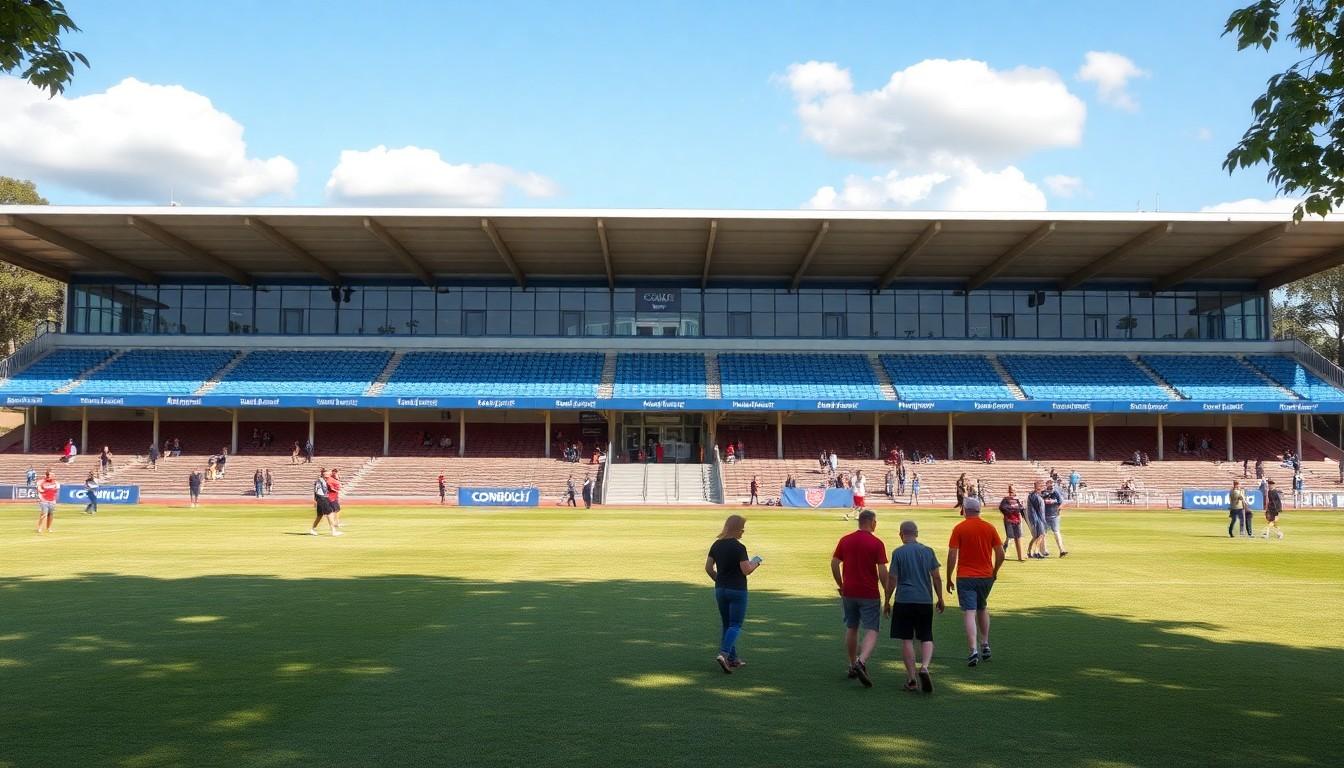
Shocked players and a divided club: Coburg Districts’ women’s team tried to stage a Pride match in Melbourne’s north, only for the senior club to withdraw official backing , a move that’s sparked hurt, confusion and wider questions about inclusion in community football.
Essential takeaways
- Club withdrawal: Coburg Districts initially allowed the women’s team to plan a Pride match, then later said the club would not officially endorse the event.
- Reason given: The club cited a clash with an official opening of redeveloped facilities, though sources say explanations changed over time.
- Player reaction: Players felt hurt but still turned up in rainbow face paint and held an informal celebration.
- League position: The Essendon District Football League and AFL Victoria say they support Pride rounds and inclusive environments.
- Advice for clubs: Clear, consultative processes and open conversations matter , Pride events work best when planned and promoted together.
What happened at Coburg Districts, in plain terms
Players in the Coburg Districts women’s side organised a Pride celebration for their June match after getting early verbal support. But as the date drew near, the senior club changed course and withdrew formal endorsement, saying the match clashed with an official facility opening. The situation left players feeling dismissed, with some choosing to mark the day quietly on the oval anyway, wearing rainbow face paint and inviting community members informally.
Why the decision feels bigger than a fixture clash
This wasn’t just a scheduling niggle for the women’s team , it touched on belonging and visibility. The team had posted a heartfelt invitation that spoke directly to LGBTQIA+ players who might’ve questioned whether they belonged in the game. When the club backpedalled, players and their coach said it hurt; the coach stressed the team’s resilience, but also how surprising the move felt in 2026. For many local players, Pride rounds symbolise more than a themed jumper , they’re a public signal that the club stands for year‑round inclusion.
Where the league bodies and inclusion groups stand
The EDFL and AFL Victoria have both stated their support for inclusive environments and themed rounds such as Pride games. Organisations like Pride Cup work directly with clubs to help run education and match‑day events, and they argue that inclusion is about consistent practice, not one‑off gestures. When high‑profile Pride pairings at AFL level get altered , as happened recently in other cases , community clubs often feel the ripple effects. That makes clear, consultative policy inside clubs even more important.
Practical tips for clubs planning Pride rounds
If you’re on a club committee or helping run a women’s side, put the basics in writing early: dates, promotional channels, kit approvals and guest or partner invitations. Invite an inclusion group like Pride Cup to deliver a short session so everyone’s on the same page. And schedule club sign‑offs with plenty of lead time around other milestones, like facility openings, so last‑minute clashes don’t derail the event. Communication beats assumptions every time.
How players and communities can respond thoughtfully
Players who feel let down have options that keep the message positive: run a low‑key, player‑led celebration; document and share the experience respectfully; or raise the issue through league channels if needed. Clubs that have been caught off guard can rebuild trust by acknowledging the hurt, committing to a consultative process for future themed rounds, and making Pride part of next season’s planning. It’s about turning an awkward moment into a clearer path forward.
It's a small but significant test of how community sport lives its values , and with a bit more planning and honest conversation, next season’s rounds can feel genuinely inclusive.
Source Reference Map
Story idea inspired by: [1]
Sources by paragraph: