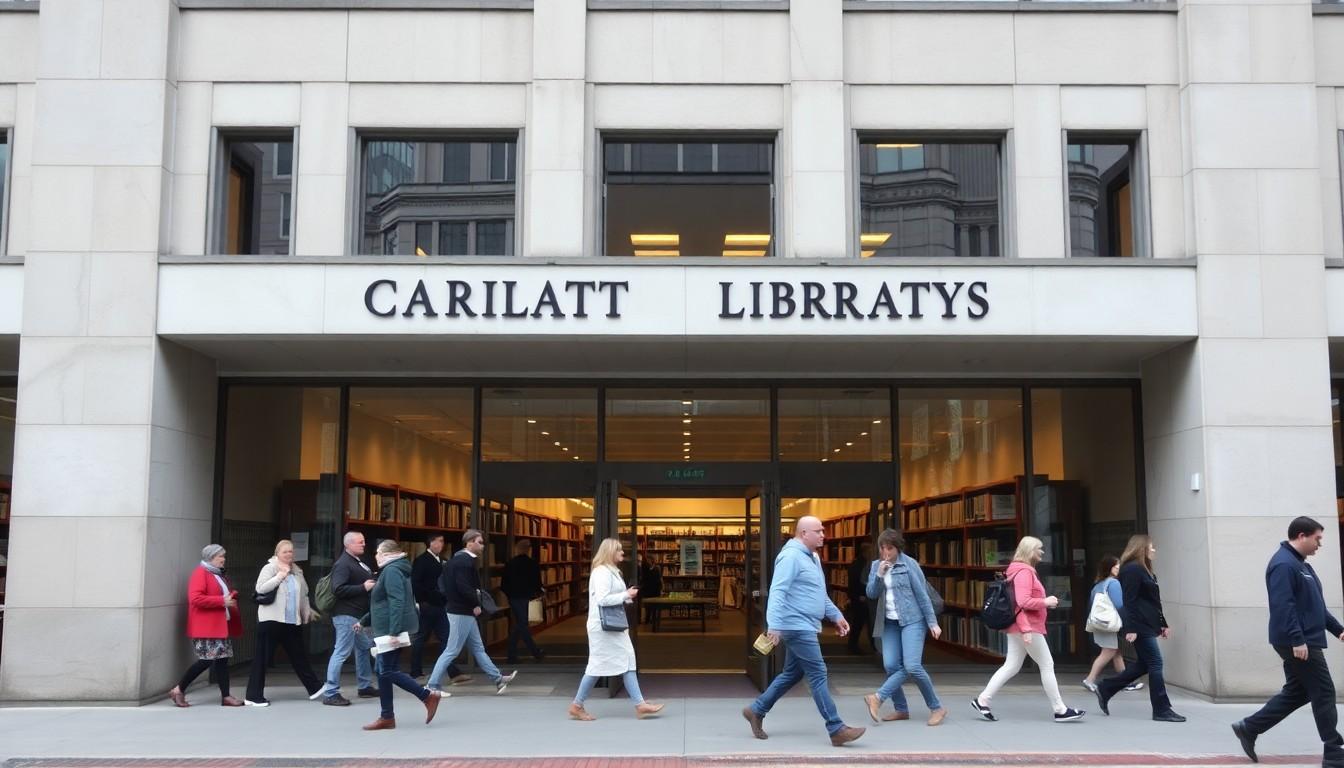
Shoppers, parents and regulars are noticing a fresh rule in Essex libraries: the new council leadership has told staff to stop promoting events like Pride. That matters because libraries are community hubs , for Job Clubs, Rhyme Time, dementia support and local festivals , and the move could reshape how inclusive and lively those spaces feel.
Essential Takeaways
- Blanket directive: Reform UK’s new leadership told 74 libraries to pause promoting non-core events via council channels, affecting Pride and other themed promotions.
- Community impact: Libraries host diverse groups , from Knit & Natter to Hearing Help , so the ban has prompted concern about fewer signposts to local activities.
- Local backlash: Campaigners and councillors called the policy discriminatory or “Orwellian,” and petitions and protests have followed.
- Mixed practice: Some libraries are still showing Pride-related books and materials, while organisers vow to continue festivals and marches.
- Practical worry: Staff want clarity that professional programming decisions won’t be micromanaged by political views.
What exactly happened , and why people are upset
The new Reform UK administration in Essex quietly briefed library managers: avoid promoting activities not directly tied to daily library operations, and don’t feature particular groups or themes on council social channels. That reads like a tidy policy on paper, but residents spot a different picture when it’s Pride Month and usual displays and posts vanish. Community volunteers and campaigners say a warm, colourful display is more than decoration , it’s a visible welcome. According to local reports, that sense of exclusion is why petitions and protests have sprung up fast.
Libraries as living rooms, not message boards
Libraries in towns across Essex host everything from job clubs and Warhammer groups to dementia support and bilingual cafés, so promotion helps people find the room where they belong. Supporters of the service argue staff are trained to programme and promote events sensitively, and that removing that authority hands decision-making to a political office. Campaigners such as Save Our Libraries Essex have framed it as a simple fairness issue: libraries should be welcoming for everyone, and visibility matters to bring people through the door.
Political reaction , across the spectrum
The policy has drawn cross-party unease. Conservative and Green councillors have publicly questioned the wisdom of limiting what libraries can show, labelling the move restrictive or even “Orwellian.” Labour representatives called the decision an abuse of power and pointed out that Pride can be marked in many book-led ways, from celebrating LGBT authors to commemorating notable figures, so the restriction looks puzzling rather than practical. The political heat has only amplified local campaigns and social media responses.
What organisers and communities are doing next
Local LGBTQ+ groups, library campaigners and ordinary residents haven’t accepted silence. Petitions entitled “Libraries for all!” and “Stop the ban on Pride events in Essex libraries” circulated quickly, and community groups plan to take the message to the streets at Essex Pride in Chelmsford, where the march will pass County Hall. Meanwhile, several libraries continue to exhibit Pride-relevant titles, showing the policy may be enforced unevenly and that staff are finding ways to keep resources visible.
Practical tips if you use Essex libraries
If you rely on your local library for community info, don’t assume promotion has stopped entirely. Check library noticeboards, local social channels, or community Facebook groups for event details. If you volunteer or run a group, consider emailing library managers directly and asking how best to publicise activities under the new rules. And if you care, sign or share local petitions and attend public meetings , visibility from residents often shapes how these policies are interpreted.
It's a small change in procedure that has prompted a big local conversation about what public spaces should look and feel like.
Source Reference Map
Story idea inspired by: [1]
Sources by paragraph: