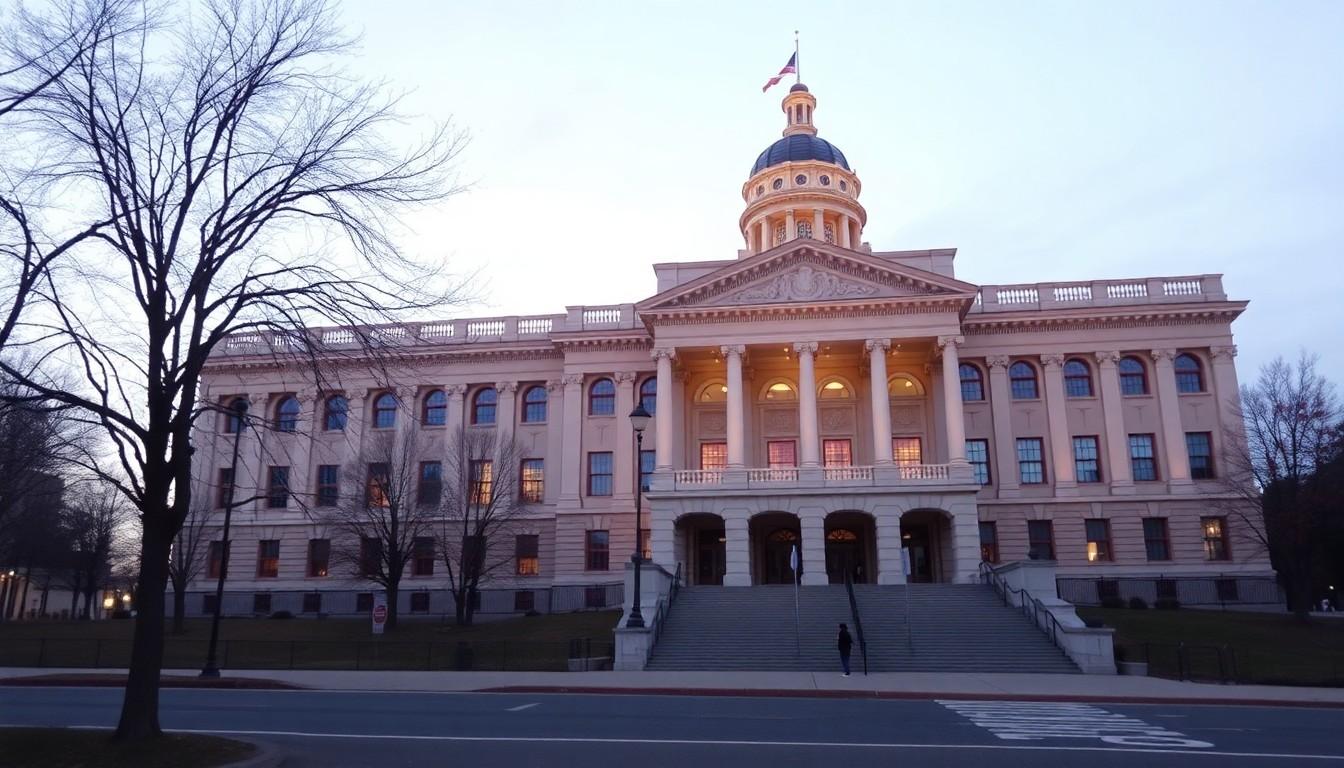
Shoppers of democracy are already turning their attention to Virginia this November as voters will decide whether to erase a nearly 20‑year-old same‑sex marriage ban from the state constitution; the statewide referendum matters because it would put explicit marriage equality into Virginia law even though Obergefell made it legal nationwide.
Essential Takeaways
- What’s on the ballot: Voters will be asked to remove the 2006 constitutional ban and replace it with language affirming that two adults may marry regardless of sex, gender or race.
- Why it matters: The current ban remains in the constitution and could take effect again if federal protections ever change, say advocates.
- Campaign launched: Virginians for Marriage Equality has begun outreach with elected officials, faith leaders and families across the state.
- Practical effect: If approved, the amendment would require all legally valid marriages to be treated equally under state law, offering clear state‑level protection.
- Feel of the issue: Supporters describe the vote as both legal housekeeping and a deeply personal affirmation of freedom and family.
What exactly are Virginians voting on in November?
The question on the Nov 3, 2026 ballot asks voters to remove the Marshall‑Newman Amendment, the 2006 language that defined marriage as between one man and one woman, and replace it with wording that affirms two adults may marry regardless of sex, gender or race. The change also directs that all lawful marriages be treated equally under state law. It’s a tidy, concrete fix to language that many say no longer reflects Virginia’s values or legal reality.
Backstory: the ban was approved by voters in 2006 and became unenforceable after federal court rulings and the 2015 Supreme Court decision in Obergefell v. Hodges. Still, supporters argue leaving the text in the constitution is risky if federal protections are weakened.
Why supporters say this is necessary despite Obergefell
Advocates argue this is insurance. They say that while same‑sex marriage is legal nationwide now, constitutional text in Virginia could snap back into force if federal precedent shifted. Equality Virginia and the newly launched Virginians for Marriage Equality campaign stress the vote is about permanence and clarity, not just symbolism.
Organisers launched the campaign in Richmond with a broad coalition , elected officials, faith leaders and families , and plan months of conversations with voters. For many, it’s personal: couples who’ve married described the legal protections and the emotional weight of public recognition.
Politics and public mood: is this likely to pass?
The move had legislative momentum: the General Assembly approved the amendment and the governor signed it earlier this year. That procedural path matters because putting a constitutional amendment on the ballot requires approval by successive legislatures in Virginia. Campaigners are framing the measure as bipartisan, values‑driven and about fairness, hoping to turn it into common ground.
Comparisons: other states have cleaned up outdated constitutional language in recent years, and Virginia’s effort follows a national trend of shifting from court‑led wins to voter‑backed codification. Expect messaging to focus on families, freedom and avoiding future legal uncertainty.
What this means for everyday Virginians and families
If the amendment passes, it removes a stigma as well as legal ambiguity; supporters say it protects current marriages and future couples alike. Practically, state statutes and agencies would have clear constitutional guidance to treat marriages equally , from tax and benefits questions to parental and medical decision‑making.
For voters unsure how it affects them: the change doesn’t force anyone to marry or alter religious freedom protections, but it does ensure equal treatment under state law. If you want to talk to family or neighbours about the vote, focus on fairness and everyday examples , medical decisions, inheritance, and workplace benefits.
How to approach voting and conversations before Election Day
Start local: check your polling place, voter ID rules and mail‑in deadlines well before November. If you’re canvassing or discussing the amendment, lead with simple scenarios that show why legal clarity matters, and listen to concerns , many conversations succeed when you acknowledge uncertainty and explain practical consequences.
Campaigns will be active for months. Expect community events, faith‑based forums and personal stories from couples who say the amendment matters to them. For those undecided, reading the ballot language closely and checking impartial voter guides will help.
It’s a small change on paper that could have big symbolic and practical effects for families across Virginia.
Source Reference Map
Story idea inspired by: [1]
Sources by paragraph: