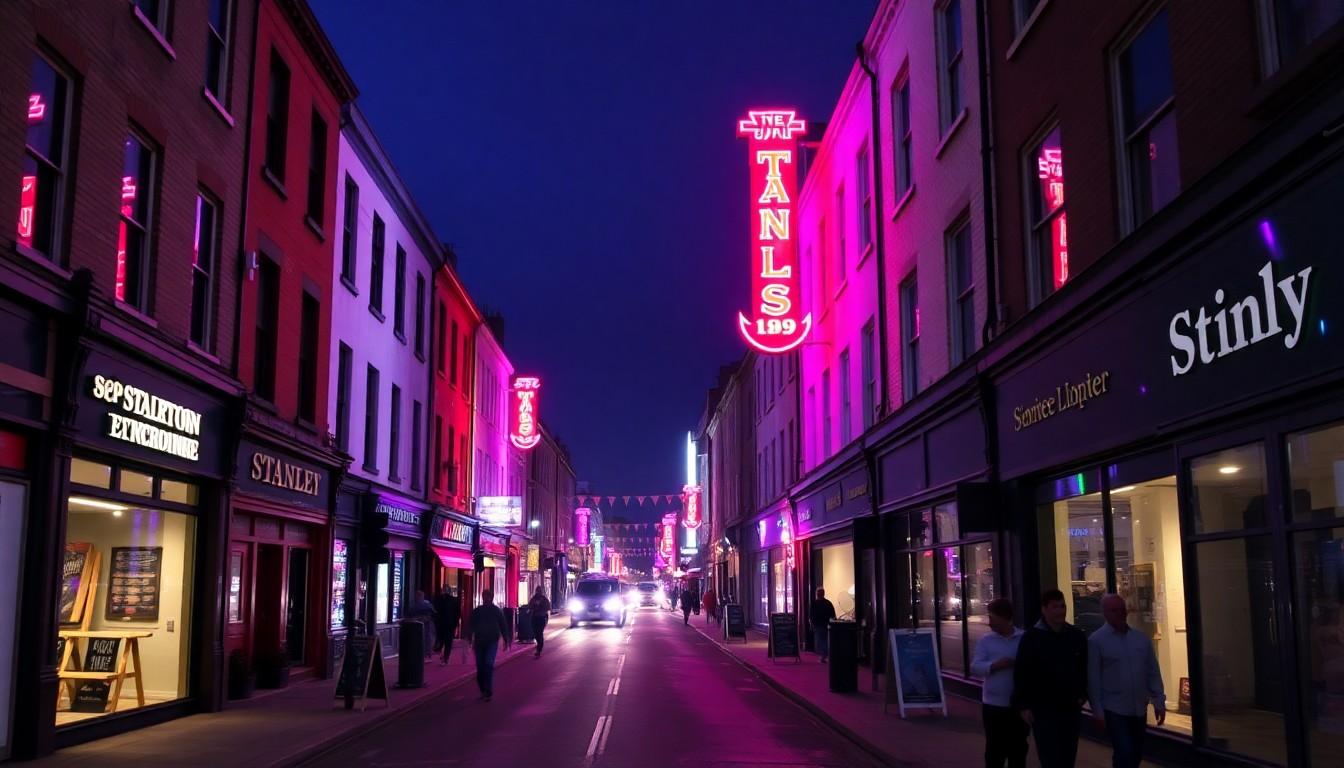
Shoppers and revellers alike have noticed Liverpool’s Pride Quarter feeling quieter, and local campaigners are urging the council to act; podcast host John Hyland’s on-air plea prompted council leader Liam Robinson to promise renewed support for Stanley Street and surrounding venues , and why that matters for culture and safety.
Essential Takeaways
- Community alarm: Venue managers and activists warn the Pride Quarter is shrinking, with closures on Stanley, Temple and Cumberland streets.
- Direct appeal: Podcaster John Hyland raised the issue on BBC Radio Merseyside and delivered an open letter signed by venue managers.
- Council response: Liverpool council leader Liam Robinson pledged to “cherish” the quarter and work with councillors and businesses on fresh ideas.
- Local context: The pledge comes as nearby St Helens council faces backlash for withdrawing support for Pride, sharpening concerns about civic backing.
- Practical note: Support can mean anything from targeted grants and business rates relief to events promotion and safer street measures.
A neighbourhood people notice losing its buzz
You can feel the difference when beloved venues close , the lighting feels dimmer, the music is a memory and the streets don’t hum the same way. That’s the picture painted by local campaigners after several LGBTQ+ sites in Liverpool’s Stanley Street area shut their doors, prompting fears the Pride Quarter is “disappearing before our eyes.” The concern struck a chord when John Hyland, a podcaster, brought the issue straight to the council on BBC Radio Merseyside. It’s the sort of grassroots nudge that gets officials off paper and into action.
Why the council’s reply matters beyond PR
Liam Robinson’s response wasn’t a throwaway line; he thanked Hyland and the community and said the city will work with cabinet members and businesses to support the area. That matters because municipal backing can be practical , funding for events, safety patrols, or business support , not just symbolic. For venues that have invested time and money in building community, a council that listens can make the difference between plugging a gap and watching the quarter fade into a nostalgic postcard.
The wider political backdrop is sharpening nerves
This conversation didn’t happen in a vacuum. Nearby St Helens Borough Council has faced controversy after its Reform UK leader announced the council will no longer promote Pride, saying the event is “tainted” by issues around transgender rights. That decision has stoked worry among activists and neighbouring towns, making Liverpool’s pledge to “raise our voices even more” feel like a deliberate counterpoint. When one local authority steps back, nearby councils’ positions become all the more consequential.
Practical steps that could protect the quarter
There are sensible, achievable measures Liverpool could explore. Councils often help with festival permits, targeted street-cleaning during events, business-rate relief for independent venues and coordinated marketing to attract visitors. Community-led pop-ups and seasonal street programming can also keep footfall up while larger planning takes shape. If you run a venue, now’s the time to get ideas on paper; if you’re a regular, show up , nightlife survives on people as much as policy.
What this means for local culture and safety
A thriving Pride Quarter is about more than late nights and cocktails; it’s visible belonging, safety in numbers and a cultural heartbeat that draws visitors and residents alike. Robinson’s promise to “cherish” the area signals an appetite to safeguard that visibility. Still, words need follow-through: funding, joined-up services and clear timelines will be the proof the community looks for. In short, this feels like a fresh start, not the finish line.
It's a small change that can make every night out feel safer and every business more sustainable.
Source Reference Map
Story idea inspired by: [1]
Sources by paragraph: