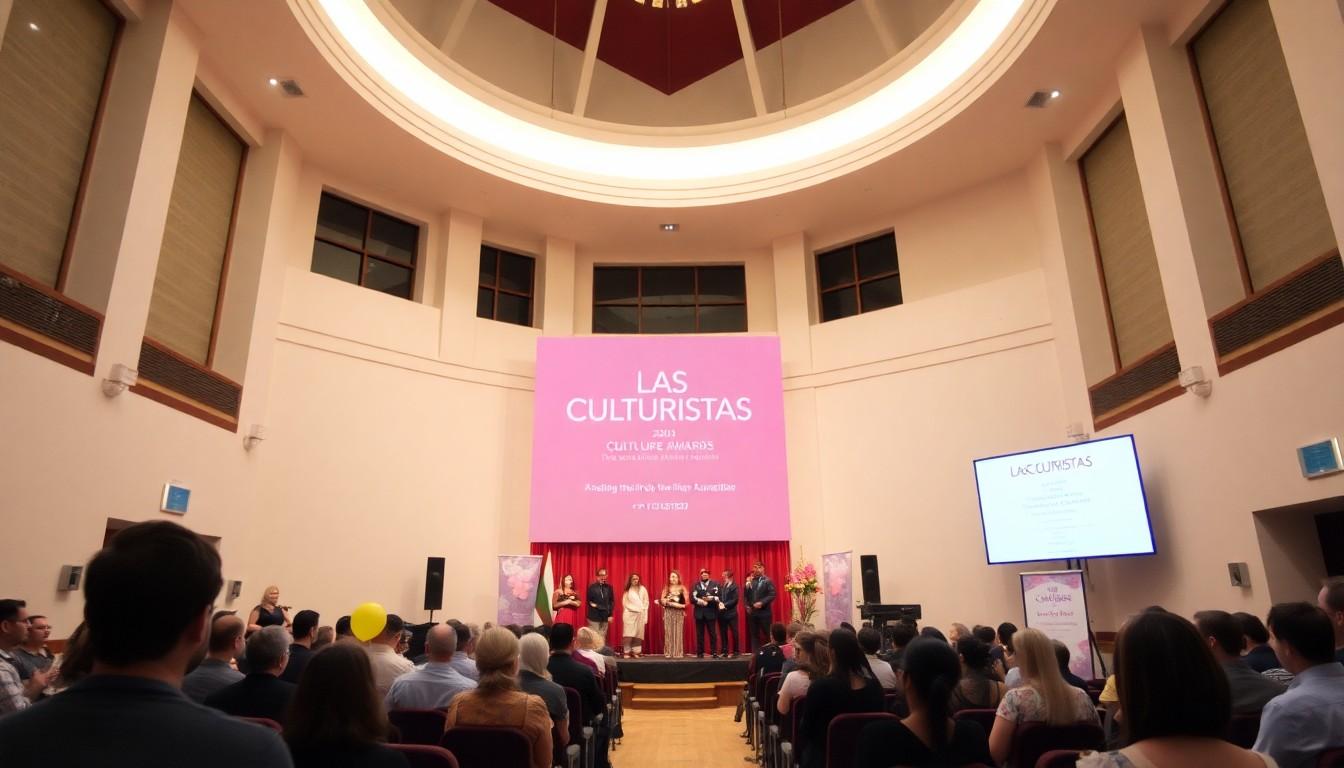
Shoppers and pop-culture fans were treated to a tongue-in-cheek awards night as Bowen Yang and Matt Rogers hosted the fifth Las Culturistas Culture Awards, a buzzy, queer-forward celebration in Los Angeles that mixed irreverent comedy with heartfelt moments , and a surprise Will Ferrell pride riff that got everyone talking.
Essential Takeaways
- Hosts and tone: Bowen Yang and Matt Rogers fronted a playful, queer-centric ceremony that blends satire with celebration; the vibe was equal parts irreverent and affectionate.
- Standout winners: Lisa Kudrow, Wanda Sykes and RuPaul were among the night's big names, each getting a moment that felt both campy and sincere.
- Ferrell’s moment: Will Ferrell accepted the Titan of Culture prize and used his stage time for a jokey, upside-down pride riff that pivoted into a clear shout-out to LGBTQ+ joy.
- Memorable micro-moments: Ben Platt performed a comic Smelly Cat for Kudrow, a single-word name won a whimsical prize, and Hannah Einbinder received praise for bisexual representation.
- Atmosphere: The night felt intimate and theatrical, with winners and presenters leaning into both satire and solidarity.
Ferrell’s unexpected bit: joke first, warmth next
Will Ferrell opened his acceptance with a classic Ferrell twist: he declared pride about being straight, then flipped the script into a broader celebration of joy and queerness. The line landed as a deliberate riff , comic misdirection that ended in an earnest call to "be joyful, be gay." It’s the sort of cheeky subversion Las Culturistas thrives on, equal parts awkward laugh and warm applaud.
The bit reads like a tiny performance piece, and that’s the point. According to eyewitness accounts of the ceremony, the audience moved from brief shock to appreciative laughter as Ferrell pivoted; it gave the moment a human texture, not just a headline. Think of it as Ferrell doing what he does best: mislead you for a laugh, then give you a hug.
Hosts Bowen Yang and Matt Rogers set the tone
Bowen Yang and Matt Rogers have built the Culture Awards as an unofficial festival of queer taste-making, and their razor-sharp, affectionate ribbing guided the night. Matt jokingly framed the ceremony as “a huge queer celebration honouring actresses, lady musicians, and randomly, Will Ferrell,” which captured the tone , inclusive, insider, and ready to play.
Their chemistry matters because it lets big-name presenters land sillier bits without it feeling mean-spirited. The show’s DNA is equal parts club-night and awards telecast, so when a mainstream celebrity like Ferrell leans in, it feels like a crossover that actually works.
Big names, small gestures , how presenters kept it playful
The awards were full of mini-theatre: Ben Platt’s quirky rendition of “Smelly Cat” for Lisa Kudrow, RuPaul receiving a grand Artist of the Millennium nod, and delightfully specific prizes like the “Most Beautiful Name for a Daughter You Haven’t Even Thought of Yet.” Those micro-moments are the ceremony’s bread and butter , small, sharable, and perfectly crafted for social clips.
That mix of comedy and tribute keeps things fresh. Presenters lean into persona, winners lean into self-parody, and the audience gets a night that feels less formal but oddly more intimate than a traditional awards show.
Representation on stage: bisexuality, queer joy, and visibility
Beyond the laughs, the night quietly celebrated visibility. Hannah Einbinder’s All Good Either Way award , recognising bisexual representation , felt like a notable, upbeat nod to ongoing conversations about how media portrays fluid sexuality. Moments like that, nestled among the camp, remind you that the show’s humour has a political heartbeat.
If you care about representation, these awards matter because they spotlight the people and the jokes that shape cultural conversation, not just the polished press lines. They make nuance feel accessible: a good gag and a serious point, in the same breath.
Why these kinds of events still matter
Las Culturistas’ awards are small in scale but big in cultural signal. They’re where comedians, actors and queer tastemakers test sharp humour that might feel risky elsewhere, and mainstream stars joining in helps normalise queer-led celebration. When a household name does a playful turn , even if it toes the line , it amplifies the night’s core message: that joy and identity can coexist with laughter.
If you watch clips from the ceremony, you’ll notice how often the audience laughs and then applauds; that’s the texture of an event that’s both subversive and warmly communal. It’s less about industry validation and more about shared cultural moments.
It's a small change in tone that can make every joke and shout-out land better.
Source Reference Map
Story idea inspired by: [1]
Sources by paragraph: