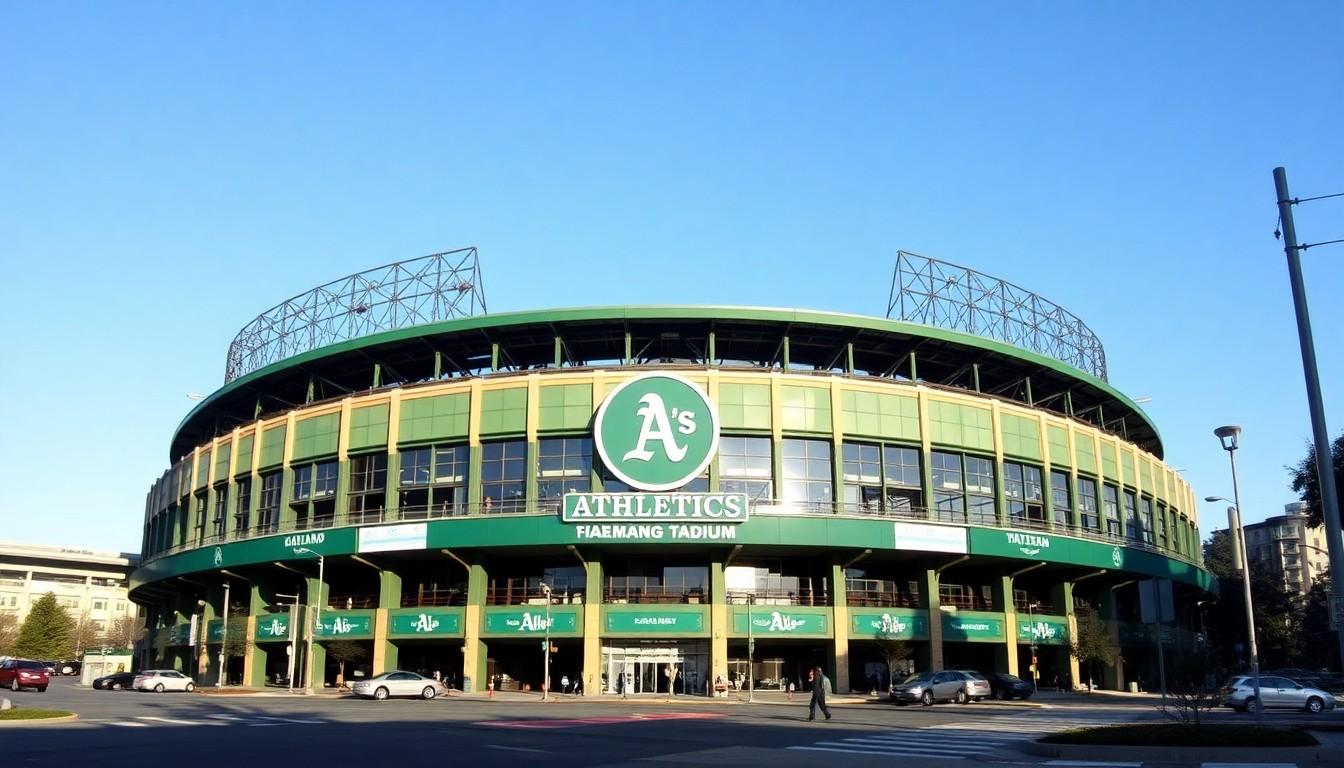
Celebrate: the Oakland Athletics are using a June game to honour Glenn Burke and support LGBTQ+ youth, a move that matters amid league-wide debate over Pride nights and player reactions. Fans, players and communities are watching, here’s what to know and why it counts.
Essential Takeaways
- Glenn Burke tribute: The Oakland A’s renamed an annual Pride game “Glenn Burke Pride Night,” recognising the former A’s and Dodgers outfielder and one of the first MLB players to come out publicly.
- Fundraising focus: The event raises money for the Glenn Burke Foundation, which supports equality and opportunity for LGBTQ+ youth.
- Rangers stand apart: The Texas Rangers are the only MLB team not hosting a Pride night this year, instead promoting a Faith and Family event.
- Player reactions matter: Recent pushback, players skipping rainbow caps or writing Bible verses on them, has put MLB Pride nights in the headlines and prompted a league response.
- Low distraction, high symbolism: For the A’s, celebrating Burke offers both community impact and a way to avoid off-field controversies while the team navigates a move to Las Vegas.
Why Glenn Burke night feels important right now
The A’s decision to call their June celebration “Glenn Burke Pride Night” gives the evening a clear human story rather than a generic branding push. Burke’s profile is quietly powerful: he played for the A’s in the 1970s, went on to come out publicly in 1982 and has become a touchstone figure for gay athletes. That history lends the night texture, there’s a sense of past meeting present, and a subtle emotional pull when you picture youth seeing a local hero honoured.
It’s also a smart PR move. According to the A’s press release, the renamed game raises funds for the Glenn Burke Foundation, so the night is less performative and more practical. Fans get a game, the community gets visibility, and a charity gets support.
How MLB’s Pride nights became a flashpoint
This year’s Pride-themed games have drawn attention not simply because of teams staging them, but because players’ reactions made headlines. Some players opted not to wear rainbow caps, while others etched Bible verses on the special hats. Those choices turned what might have been a feel-good promotion into a debate about personal belief, team unity and league policy.
MLB has signalled it won’t tolerate actions that undermine team events, and that stance has reshaped the conversation. For teams like the A’s, the challenge is to keep the focus on celebration and fundraising rather than handling a public relations spectacle.
Why the Rangers’ different approach matters
The Texas Rangers are unique this season as the lone MLB club not hosting a Pride night, preferring a Faith and Family-themed event instead. That choice has been covered widely, and it underlines how clubs balance local fan bases, ownership views and wider cultural trends.
For readers, the takeaway is simple: not every franchise will approach Pride the same way. Some will centre historical figures and charity work, others will take alternate routes. Knowing that helps fans make sense of the mixed messages arriving from different ballparks.
Practical tips for fans attending Pride nights
If you’re heading to Glenn Burke Pride Night or a similar event, go with the spirit rather than the politics. Wear the merch if you want to show support, but don’t expect every player to participate the same way. Bring cash or use the team’s donation channels to support the associated charity directly if you care about the cause.
Also, expect a mix of ceremony and baseball. These nights often include video tributes, special caps or jerseys, and short in-game presentations, so come early if you want the full experience.
What this means for the A’s and beyond
For the A’s, celebrating Glenn Burke is both meaningful and strategic. It’s an opportunity to honour a pioneering figure, raise funds for youth programmes and align with broader Pride Month visibility. At the same time, it’s a distraction they can do without as they prepare for big organisational changes like a relocation.
Looking ahead, MLB clubs will probably keep tweaking how they mark Pride, some will foreground history and charity, others will face tension between individual players’ expressions and team policies. Either way, nights like these make the game a little more than action on the field.
It's a small change that can make every celebration mean something more.
Source Reference Map
Story idea inspired by: [1]
Sources by paragraph: