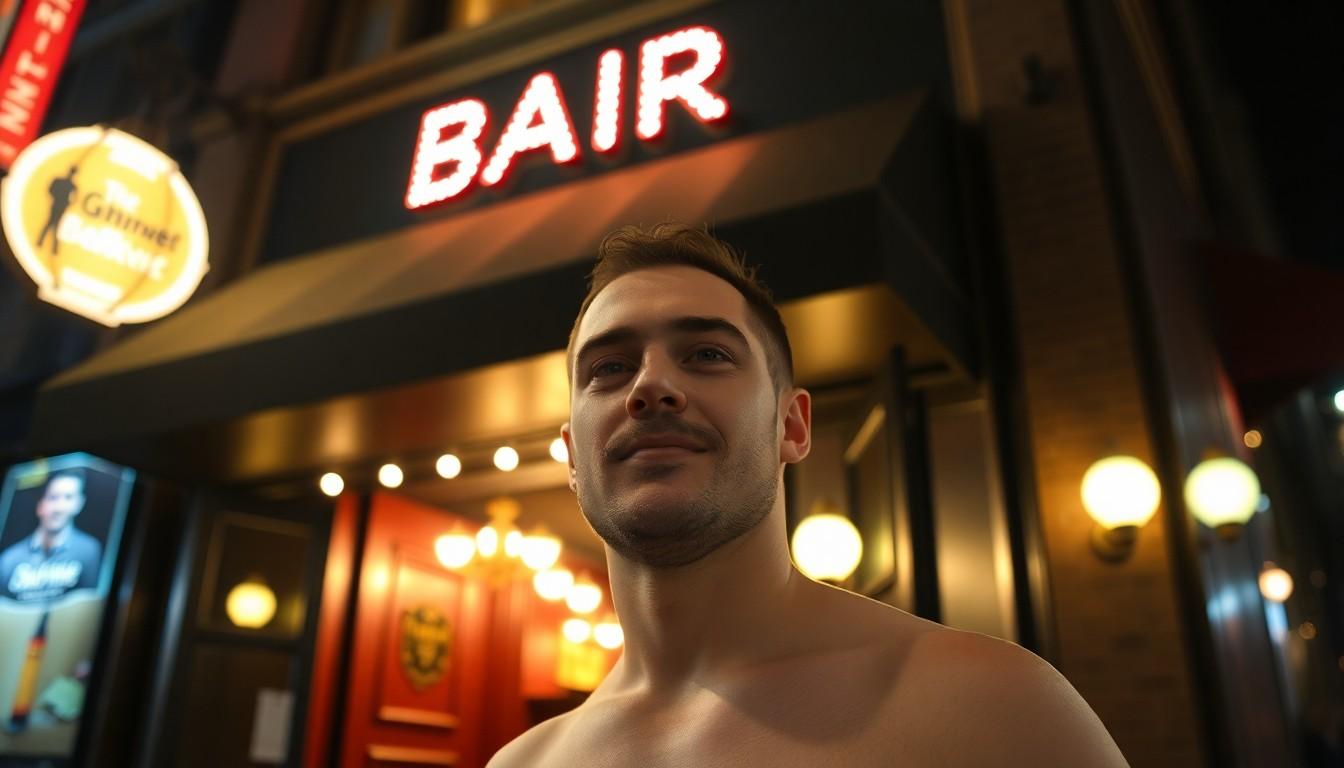
Notice growing concern: LGBTQIA+ people face higher rates of drug and alcohol problems, and knowing the signs and where to turn can save lives. This guide explains who’s affected, why it matters, and practical steps for spotting trouble and finding support, whether in cities or small towns.
Essential Takeaways
- Higher risk: LGBTQIA+ adults report greater rates of alcohol and drug use compared with heterosexual peers, often linked to stigma and minority stress.
- Common patterns: Binge drinking, prescription misuse, and stimulant and opioid use show up more frequently in some groups; behaviours can be hidden in social spaces like bars and clubs.
- Where to get help: Local and national resources include harm-reduction services, needle exchange programmes, methadone clinics and LGBTQ+-friendly rehab options.
- How to support: Gentle, non-judgemental check-ins, offering practical resources and boundaries, and encouraging professional help can make a real difference.
- Practical tip: If someone is intoxicated or unresponsive, treat it as an emergency, don’t wait for them to admit a problem.
Why substance use is rising in LGBTQIA+ communities
Start with the obvious: LGBTQIA+ people often face stressors their straight peers don’t, and that wears on you, emotionally and physically. According to public-health data, higher rates of substance use in these communities are linked to discrimination, family rejection and the stress of hiding one’s identity, all of which nudge some people towards alcohol or drugs as coping tools. You can almost feel the tension in crowded queer venues where alcohol is part of the social glue, and that normalisation matters.
Researchers and community workers trace this pattern back decades; drinking and club drugs became part of the social fabric because those spaces offered safety and belonging. Today, treatment and harm-reduction services aim to treat the root causes as well as the behaviour, recognising that identity-related stressors are as relevant as the chemicals involved.
Common substances and risky patterns to watch for
Different drugs leave different traces. Alcohol and stimulants like cocaine and methamphetamine are commonly reported in surveys, but misuse also includes prescription drugs, opioids and party drugs. Addiction specialists note that binge drinking and episodes of heavy use can escalate quickly, and some people cycle repeatedly through rehab and relapse.
Look for practical signs: sudden financial trouble, changes in sleep and appetite, social withdrawal, or an unusual tolerance to alcohol. Behavioural red flags, missing appointments, secretive behaviour, shame or defensive reactions when asked, are worth noting but approach with care. Harm reduction advice is vital: needle exchanges, safe-use information and access to naloxone save lives.
How to talk to someone you’re worried about
Don’t start with accusations. Open with concern and specifics, “I’ve noticed you’ve been late for work and drinking more”, and avoid moralising. According to counsellors, people respond better when they feel seen, not judged. Offer to help find a local clinic or attend an appointment, but respect their autonomy; you can’t control someone else’s recovery.
Set clear boundaries for your own wellbeing. It’s kind to support someone, but it’s also reasonable to refuse to enable dangerous behaviour. If someone is at immediate risk, passed out, vomiting, or breathing oddly, call emergency services right away. Practical steps like finding LGBT-friendly clinicians or clinic listings make the next step less daunting.
Where to find LGBTQIA+-friendly help and harm reduction
There are multiple entry points for help: community centres, specialised clinics, needle exchanges and methadone programmes, and national addiction services that list LGBTQIA+-competent providers. Harm-reduction sites often provide clean needles, testing and information; these services reduce immediate risk and build trust for longer-term treatment.
If you live in a city, local gay and bisexual men’s networks or sexual-health organisations often keep up-to-date lists of friendly providers. Rural areas can be tougher, but telehealth and phone-based counselling have widened access. When choosing a service, ask whether staff have experience with LGBTQIA+ issues and whether the programme offers culturally competent care.
Supporting recovery: practical steps that actually help
Recovery is rarely linear. Celebrate small wins, help with practical tasks like childcare or transport, and encourage peer support such as Alcoholics Anonymous or LGBTQ+-specific groups. Family reconciliation can be powerful when safe and genuine, but it’s not always possible. Vocational support and stable housing are also game-changers, addiction services that address social needs alongside therapy get better outcomes.
And remember self-care. Supporting someone with addiction can be emotionally draining; seek your own support network or counselling so you can stay present without burning out.
It's a small change that can make every intervention safer and more effective.
Source Reference Map
Story idea inspired by: [1]
Sources by paragraph: