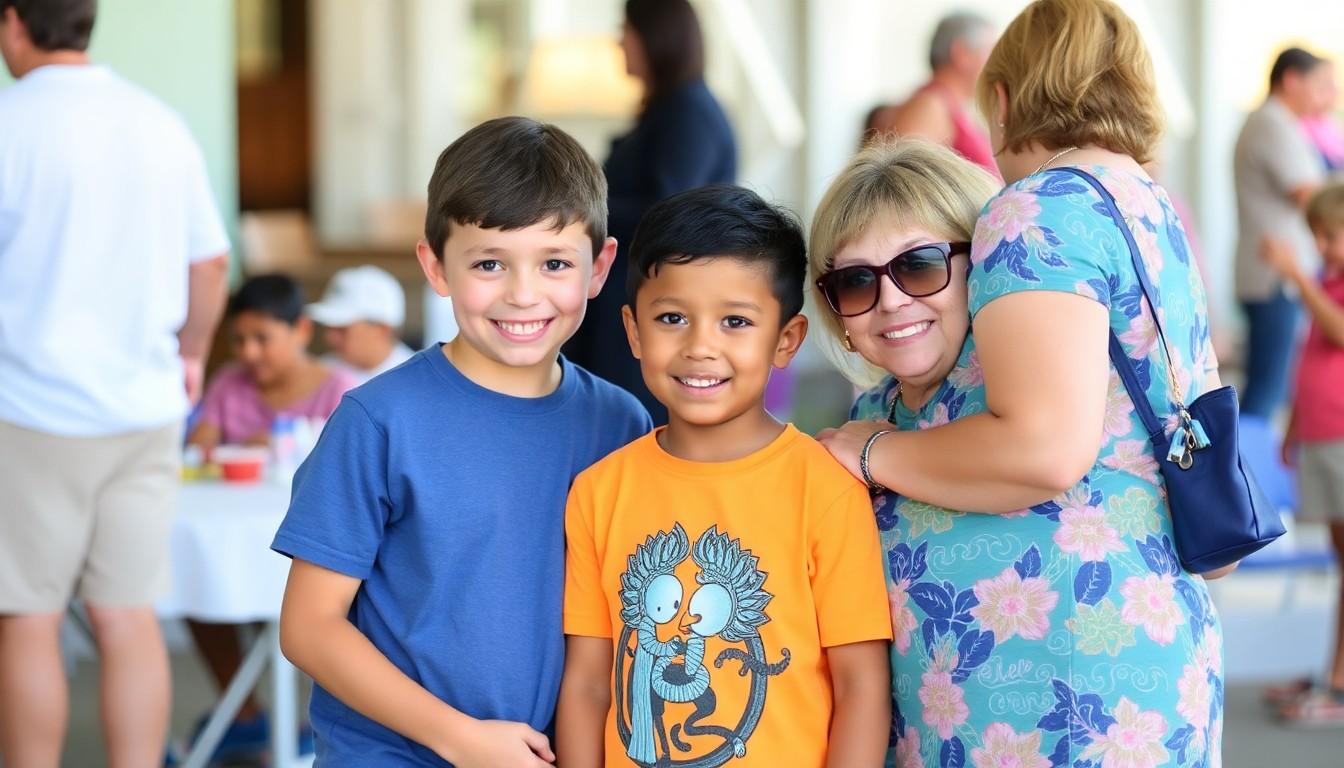
Celebrate Pride with your children by turning it into conversations, community time, and small rituals that teach empathy, visibility, and joy; parents in Jacksonville and beyond are finding simple, kid-friendly ways to make Pride meaningful and safe while normalising diverse families.
Essential Takeaways
- Start small: short, age‑appropriate chats and activities help kids grasp Pride without overwhelm.
- Visibility matters: attending local events lets children see families like theirs and feel included.
- Practical tools: books, crafts, and community parades make abstract ideas tangible and fun.
- Speak up kindly: modelling respectful language and correcting teasing reduces harm.
- Keep it joyful: snacks, stickers and games make celebrating Pride a positive memory.
Why celebrate Pride with kids? It’s about belonging and hope
Pride isn’t only a parade or a protest; it’s a chance to show children that everyone deserves to belong. Parents report that seeing families like theirs at community events can take the edge off feeling different, even for a few hours. Organisations such as local businesses and charities often run family-friendly Pride activities, which are low-pressure ways to introduce children to the history and values behind the month. For kids, the message is simple and tactile: people are allowed to be themselves, and that’s something to celebrate.
Simple conversations that actually work
You don’t need a lecture; a short, honest chat does wonders. Start with questions kids can relate to , who matters in our family, what makes someone a friend , and build from there. Use everyday moments: a colourful skittle packet or a rainbow popsicle can launch a discussion about symbols and respect. Keep language clear and age-appropriate, and be ready to correct hurtful words when you hear them. Children often absorb tone more than facts, so keep the conversation calm and open.
Take Pride to the street: events, parades and safe outings
Going to a local Pride event can be transformative, especially in places where diverse families are less visible. Parades, community festivals and library storytimes offer a sense of solidarity and fun , plus the sensory perks kids love, like music, floats and face paint. If a big crowd feels too much, try smaller gatherings or volunteer at a community stall; being part of the organising side gives children a sense of purpose and belonging. Check event listings from trusted local groups so you can choose the safest, most welcoming options.
Activities and resources that make ideas stick
Kids learn through doing, so make Pride hands‑on. Read inclusive picture books together, make rainbow crafts, or bake colourful treats that spark conversation. Schools and community centres often offer age‑appropriate activities; libraries may host storytimes that normalise different family structures. For parents who want structure, parenting guides and child wellness organisations provide clear, step‑by‑step tips for teaching inclusion. Simple rituals , a yearly Pride badge, a family photo at a festival , create warm memories children return to.
Handling questions, teasing and uncomfortable moments
When other children ask blunt questions, keep answers short, honest and lightly humorous if that feels right; kids often respond best to normalising replies. If you encounter teasing , whether at school or on the street , model calm correction and, if needed, engage teachers or organisers to address patterns of bullying. Remind children that hurtful words say more about the speaker than the person they target, and teach them simple comeback lines or ways to walk away. Protecting a child’s sense of safety is the priority, and practical boundaries help.
Why joy matters as much as education
Finally, Pride should be joyful. Laughter, games and snacks give children positive associations with inclusion and resilience. Celebrate wins, small and large: a kind word from a peer, a new book that mirrors your family, or simply a sunny afternoon at a community fair. Joy doesn’t erase challenges, but it balances them, and children remember the warmth far longer than the lectures.
It’s a small change in routine that can make every Pride meaningful for your family.
Source Reference Map
Story idea inspired by: [1]
Sources by paragraph: