Join lively organising, gentle conversations, and joyful reading this Pride Month , practical ideas from Moms Next Door to help parents, caregivers and neighbours connect, learn, and take action locally and online.
Essential Takeaways
- Zoom meetup: Join the June 16th Moms Next Door organising session to learn “Living Room Conversations” techniques for building bridges.
- Practice listening: Use a simple, structured listening guide to turn tense talks into curious, respectful exchanges , great for PTAs and family dinners.
- Read and resist: Share age-appropriate LGBTQ+ children’s books and support local, diverse independent bookstores when combating book bans.
- Mutual aid matters: Start or join a mutual aid pod; Pride has a deep history of reciprocal care and many funds support trans communities.
- Take action: Apply to the RISERS Parent Leadership Program and sign petitions defending reproductive freedom and family support policies.
Start with one Zoom session , it’s friendlier than it sounds
If you’ve ever dreaded a tricky conversation, this meetup is for you, and it arrives with a warm, practical tone. Moms Next Door are hosting a free Zoom on Tuesday 16 June to run Part 2 of their “Building Bridges with Living Room Conversations” series, and you can stick around for a debrief with organisers. It’s short, focused and feels more like sitting in someone’s living room than a lecture hall.
Living Room Conversations is a well-established approach that gives people a structure to talk without shouting. Bring curiosity rather than answers, try the listening prompts, and you’ll leave with a few phrases that actually calm a room. Even if you missed Part 1, the organisers say come along , the session is built to be picked up mid-series.
Practice listening courageously , because nuance matters
There’s a difference between talking at someone and listening to them, and the dispatch suggests a tiny habit shift: use guided listening in heated spaces. The guide teaches you short moves , ask a clarifying question, reflect back what you heard, notice emotion , and they’re easy to use at school meetings, on the street, or over the washing-up.
These techniques don’t resolve every disagreement, but they reduce the tone and give more people a chance to be heard. Try it in low-stakes settings first, then bring it to tougher conversations , you’ll find it feels oddly satisfying to swap defensiveness for curiosity.
Celebrate Pride through books , share stories that affirm
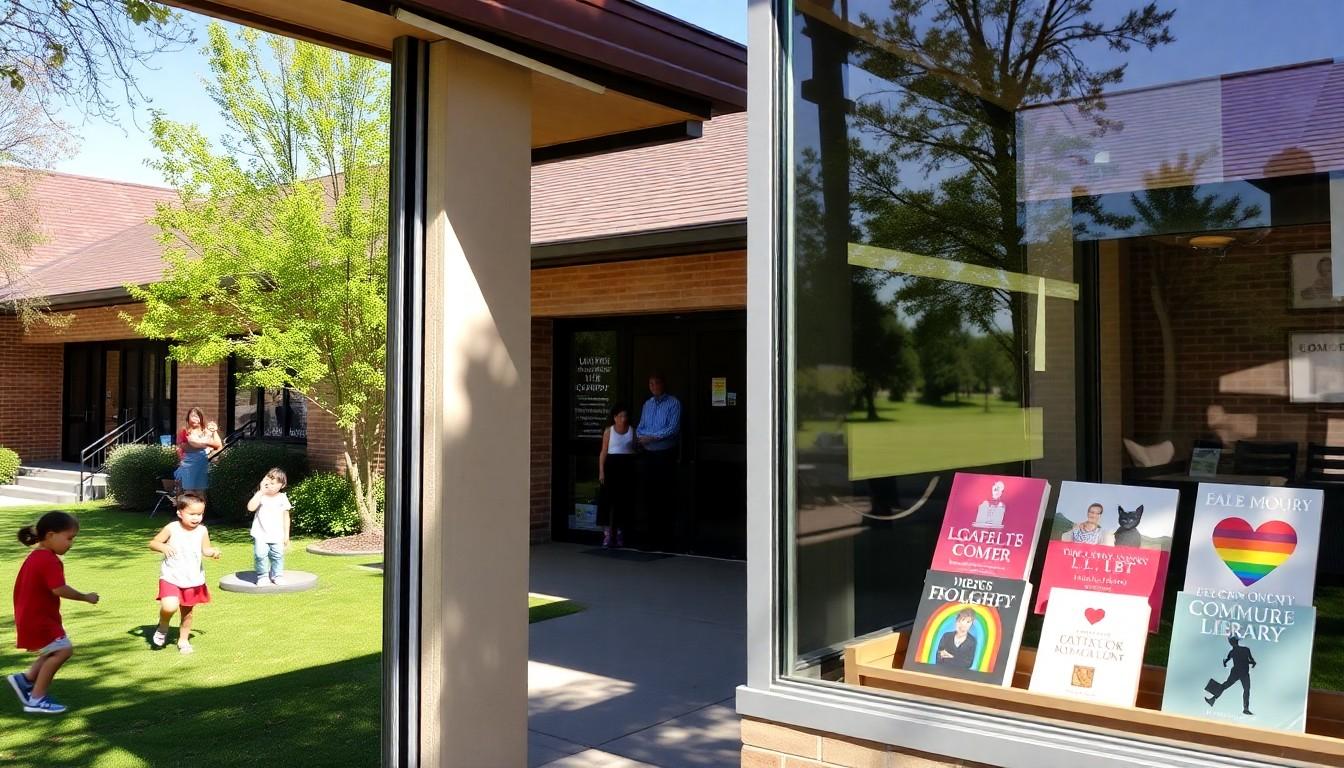
Book bans have targeted a disproportionate number of LGBTQ+ stories, so one accessible way to push back is to read with kids and celebrate affirming titles. The June dispatch recommends ten age-appropriate books and suggests using them as conversation-starters rather than lectures. Picture a summer reading circle in your living room or a pop-up storytime at a local café.
If you want to shop local, use Bookshop’s finder to support independent stores and those owned by women, Black, AAPI, Latine, Indigenous and LGBTQIA+ booksellers. Snap a photo, tag @MomsRising and you’ll help normalise joy and representation for other families.
Mutual aid: practical solidarity you can join or start
Mutual aid is less about donations and more about reciprocal community care , think shared childcare, meal trains, or pooled funds for medical costs. The dispatch frames mutual aid as a long-standing practice in queer communities, from the AIDS crisis to modern digital fundraisers. That history gives mutual aid both moral weight and practical models to copy.
To get started, gather a few neighbours, decide what you’ll share, set clear expectations and create a simple rota. If you prefer to plug into existing efforts, search lists of funds supporting trans people and local mutual aid groups; small, steady contributions go a long way.
Take action , leadership, stories and policy matter
If you want to move beyond individual conversations, Moms Next Door highlights a few concrete steps: apply to the RISERS Parent Leadership Program to sharpen your advocacy skills, share your family’s story to influence policy on childcare and costs, and sign petitions urging Congress to protect reproductive freedom. These are practical routes from conversation to change.
Joining a program or signing up for a campaign also connects you with others who are working on the same problems. It’s a reminder that activism doesn’t have to be dramatic , it can look like steady, local organising and storytelling that changes minds and policy over time.
It’s a small change that can make every conversation and community a little more supportive this Pride Month.
Source Reference Map
Story idea inspired by: [1]
Sources by paragraph: