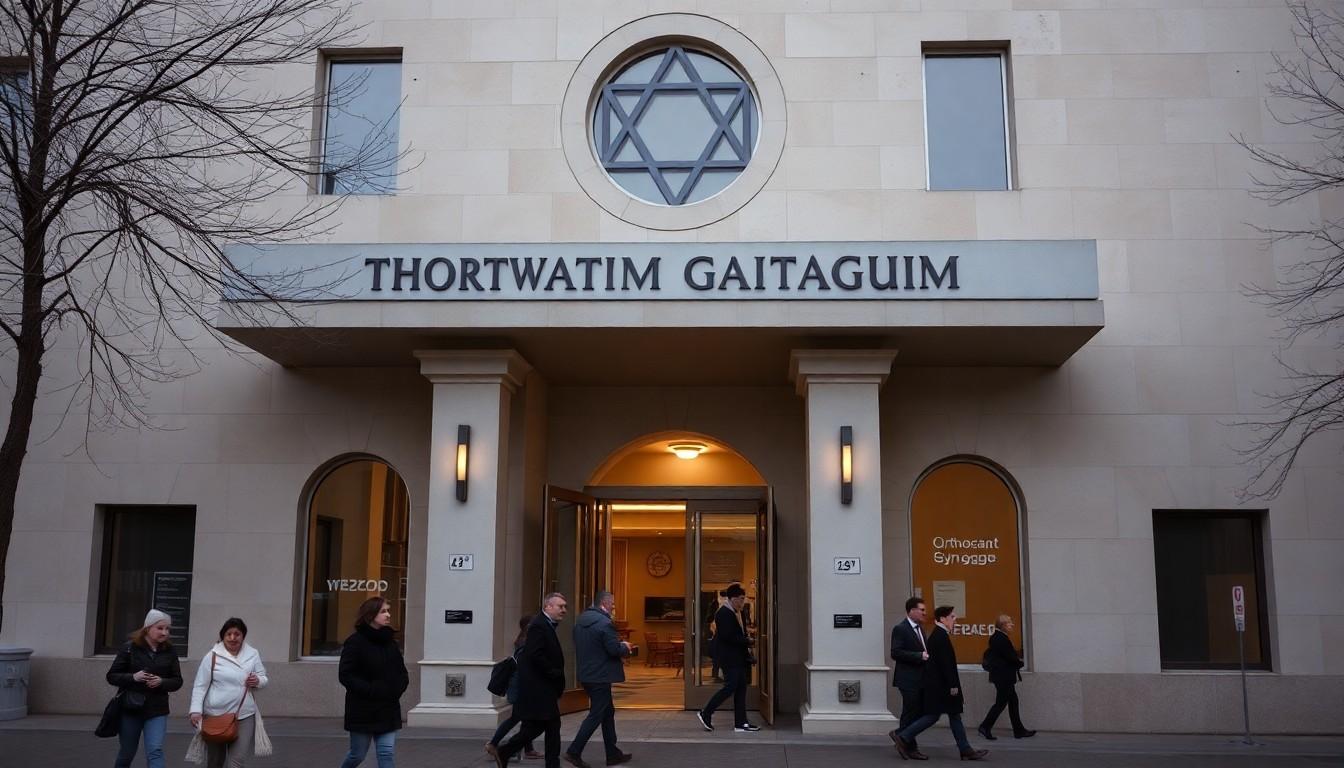
Watchful advocates are sounding the alarm as gains for LGBTQ+ Orthodox Jews show worrying signs of reversal; leaders, rabbis and congregations across the US are being urged to protect lives, preserve community and rebuild practical pathways to welcome.
Essential Takeaways
- Growing concern: Advocates report an increase in exclusions after a decade of steady progress for LGBTQ+ Orthodox Jews, with some families relocating for safety and acceptance.
- Community impact: Rejection correlates with worse mental-health outcomes, including higher rates of depression and suicidal ideation.
- What works: Welcoming shuls, direct rabbinic referrals and community retreats have helped create durable pockets of inclusion.
- Practical fixes: Clear referral networks, pastoral training and small policy changes in shuls can make congregations feel safer and more affirming.
- Reality check: Sexual and gender diversity is part of human variation; denial or punitive approaches do measurable harm.
Why advocates say progress is slipping , and what that feels like
For years, organisations and grassroots leaders nudged Orthodox communities toward quiet but meaningful change, creating local networks and warm spaces where LGBTQ+ people could practise their faith. Now, campaigners are seeing an uneasy reversal: congregations that once offered shelter are hesitating, and some rabbis are suggesting that queer congregants might be better off elsewhere. That shift carries a heavy emotional toll; parents, partners and children feel exposed, and the anxiety shows up in strained relationships and fractured community life.
How exclusion translates into real harms
The evidence is grim and direct. Numerous studies, as well as community reports, link rejection by family and faith groups to higher rates of depression, anxiety and suicidal thoughts. Advocates point out that when a synagogue withdraws support it isn't just a policy change , it's a life-changing blow to someone's social safety net. So when a rabbi asks a person to leave, the consequences can ripple through households and across generations.
What’s been working: retreats, welcoming shuls and referral networks
There are success stories to lean on. Community retreats and local warm hubs have produced palpable relief and resilience for LGBTQ+ Orthodox Jews, signalling that conservative religious life and queer inclusion can coexist. Welcoming shul lists, formal rabbinic endorsements and direct referral channels help people reconnect with Jewish communal life instead of being shut out. Those practical tools , a trusted rabbinic name, a nearby service that feels safe, a weekend away with peers , make inclusion achievable on the ground.
Practical steps rabbis and congregations can take today
Small, deliberate actions can prevent harm. Offer clear, compassionate referral pathways rather than abrupt exclusion; train pastoral staff to respond to coming-out conversations with safety and care; host listening sessions where LGBTQ+ members can share needs. Congregations don't need to resolve theological debates to adopt harm-minimising practices: kindness, confidentiality and a readiness to connect someone with an affirming rabbi or community matter more than public pronouncements.
Why the argument for openness is also a religious one
Many advocates frame inclusivity as a core religious duty, invoking the principle that saving a life outweighs other commandments. That theological framing often resonates in Orthodox settings when paired with medical and social science evidence that sexual and gender diversity are natural and not pathological. In practice, this means emphasising pastoral care and communal responsibility , all of Israel is, after all, tied to one another , and making inclusion an act of safeguarding rather than concession.
Looking ahead: preserving the pockets of progress
The landscape will remain uneven, with some communities backsliding while others deepen their welcome. The immediate task is to shore up the places that have been working: strengthen referral networks, expand training, fund retreats and keep telling human stories so leaders can see the stakes. It’s a slow, relational process, but one that can keep people safe and keep families in community.
It's a small set of changes that can make every welcome more durable.
Source Reference Map
Story idea inspired by: [1]
Sources by paragraph: