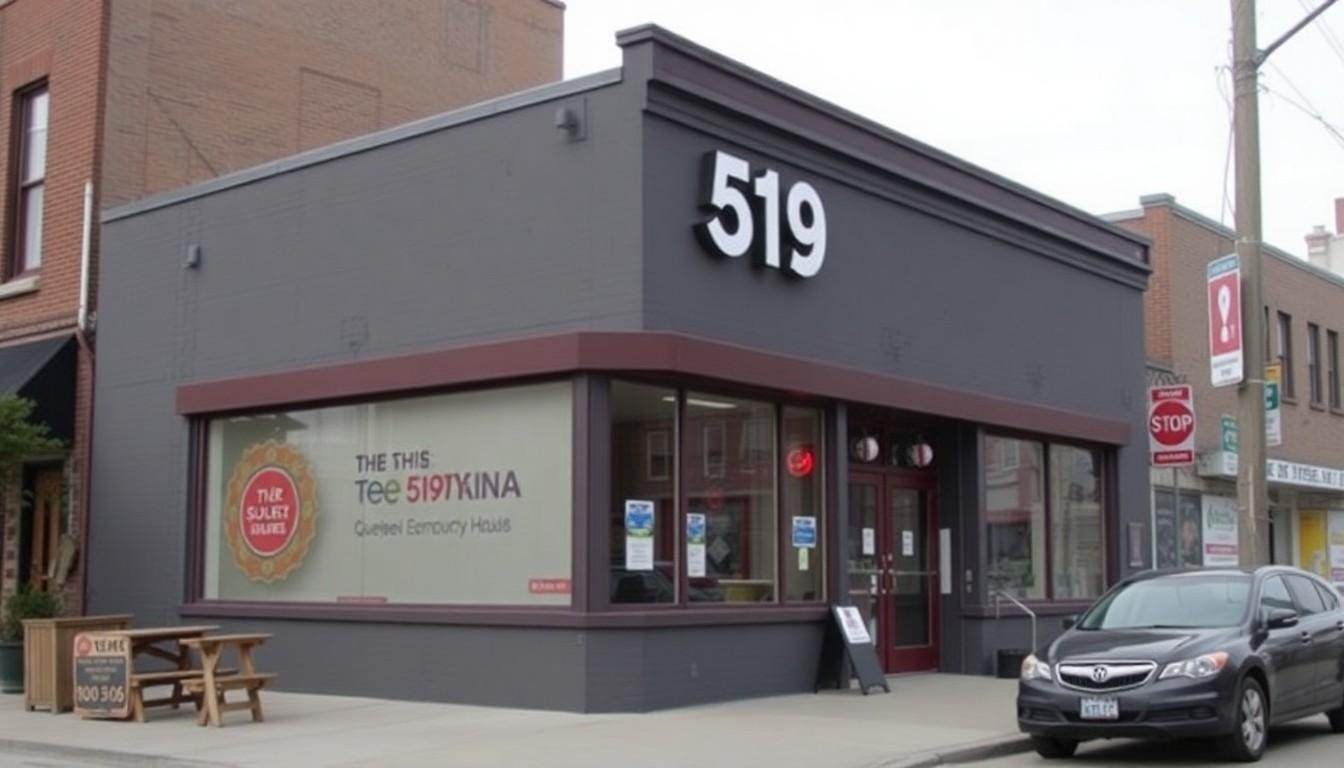
Shoppers are turning to louder political seasons: advocates have launched Defend Refugees to urge Prime Minister Mark Carney and the federal government to shore up asylum, healthcare and housing supports for queer and trans refugees ahead of World Refugee Day. It matters because policy choices now will shape whether people fleeing persecution find safety or new harm in Canada.
Essential Takeaways
- New campaign launched: Defend Refugees, led by The 519 and Rainbow Railroad, calls for immediate policy fixes to protect queer and trans refugees.
- Three urgent asks: protect asylum timelines under Bill C-12, restore refugee healthcare, and fund safer housing and shelters.
- Practical impacts: cuts to healthcare and delayed work permits increase risk of exploitation, homelessness and untreated trauma.
- Visible mobilisation: campaign resources and a community pop-up event aim to boost public pressure during Pride season.
Why this campaign matters now: a clear, urgent ask
Defend Refugees lands at a tense moment, with advocates warning that recent policy shifts have real human consequences , not just bureaucratic headaches. According to campaign organisers, cuts to refugee healthcare and changes linked to Bill C-12 risk shutting out people whose persecution is intimate, hidden or dangerous to prove. This is about survival: many queer and trans refugees face violence, criminalisation or family rejection in their home countries, and the right to seek safety means little without access to the services that make safety possible.
Backstory: The 519 and Rainbow Railroad convened partners, survivors and advocates to draft an open letter to Prime Minister Mark Carney, publicly asking for swift action. Campaign activity includes a website hub, local visibility actions and a silk-screening pop-up in Toronto on June 19 to keep attention on the issue during Pride season.
What Bill C-12 and recent policy moves could mean for claimants
Advocates argue Bill C-12’s timelines and procedural changes will hit queer and trans claimants especially hard because disclosure of persecution is often delayed or traumatic. When asylum systems demand quick, conventional evidence of harm, people who have lived through hiding, sexual violence, or family coercion can fall through the cracks. Human Rights Watch and refugee commentators have highlighted similar risks in recent coverage of Canada’s refugee system, suggesting the problem is systemic rather than anecdotal.
Practical tip: lawyers, advocates and sponsors should document barriers to timely disclosure and push for flexible timelines and trauma-informed procedures in hearings and adjudication.
Healthcare cuts create cascading harms, not just cost savings
The campaign singles out cuts to refugee healthcare and the rollback of the Interim Federal Health Program as especially harmful. For queer and trans refugees, access to trauma counselling, HIV treatment, gender-affirming care and sexual health services is often central to recovery and integration. When these services are restricted, people end up in emergency rooms or stripped of essential care , outcomes that are both costly and cruel.
Context: Media reporting and policy analyses have flagged debates in Parliament and among MPs about restricting refugee health benefits, and those debates translate into real delays and service gaps for newcomers. Advocates ask the government to restore comprehensive refugee healthcare and eliminate co-payments that block access.
Housing and work: the two things that keep people safe
Cuts and delays don’t stop at health. Delayed work permits and shrinking housing supports push refugees into precarious work, unsafe housing, or exploitative relationships. The Defend Refugees letter recommends that the next federal budget protect and expand funding for shelters and municipally delivered housing so community organisations can offer safer, dedicated options for queer and trans newcomers.
Comparison: Cities with bolstered shelter funding and dedicated community housing schemes show lower rates of homelessness and exploitation among new arrivals; advocates say federal support is the lever that scales those models nationally.
How communities can help , and what to ask your MP
The Defend Refugees campaign is seeking public pressure as much as policy change. That looks like signing letters, attending local events, and asking MPs to commit to the three priorities: fair regulation of Bill C-12, restored refugee healthcare, and dedicated housing funding. The 519 and Rainbow Railroad are making campaign materials and toolkits available so local groups and individuals can lobby effectively.
Actionable advice: if you write to your MP, mention specific asks, include a short personal note about why refugee protection matters to you, and link to DefendRefugees.org for resources and templates.
It's a small change that can make every refugee's arrival safer and more dignified.
Source Reference Map
Story idea inspired by: [1]
Sources by paragraph: