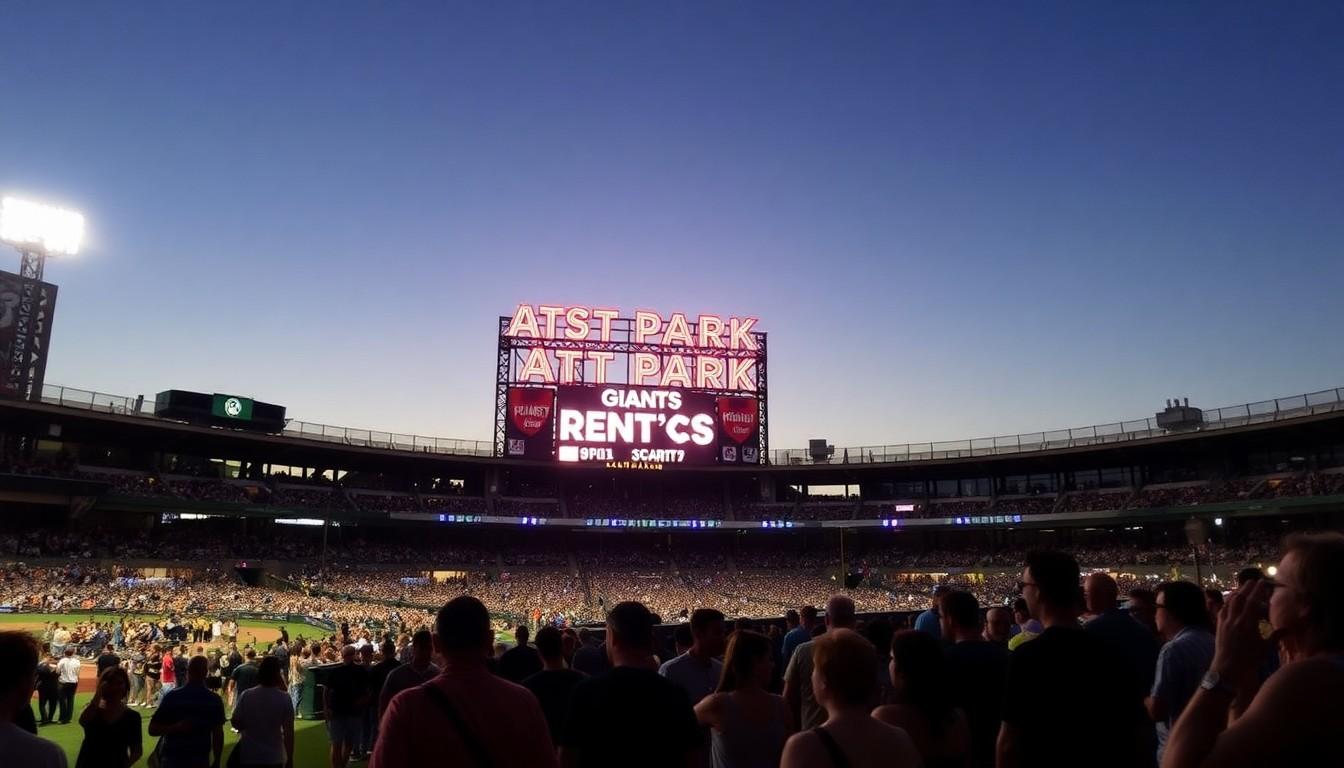
Shoppers are watching baseball politics play out on-field , at a San Francisco Giants Pride Night, three players visibly pushed back against a league celebration, MLB issued a warning, and the story has become a flashpoint about religion, expression and inclusion in sport. Here’s what unfolded, why it’s resonated, and how teams might handle similar clashes going forward.
Essential takeaways
- What happened: Giants pitchers wrote Bible references on official Pride caps or refused to wear them during a home game, prompting an MLB warning.
- MLB response: The league said alterations to uniforms violate its rules and warned the players about future violations; the warning is standard practice.
- Players’ stance: Those involved say their gestures were religious, not hateful, and framed them as personal beliefs and conscience choices.
- Giants’ position: The team reaffirmed its commitment to Pride Night while acknowledging some fans were hurt by individual players’ actions.
- Atmosphere: The incident has stirred strong reactions across fans and media, mixing civic values, team marketing, and locker-room culture.
What exactly happened on Pride Night and how it looked
The clearest image from Friday’s game is simple and visual: white baseball caps with a rainbow trim, a small handwritten Bible citation, and one pitcher who declined to don the cap at all. According to reports, two Giants pitchers wrote references to Genesis on their promotional caps, while a third opted out. The gestures read like quiet, personal statements but landed loudly in a stadium buzzing with Pride night energy. Photographs and social feeds amplified the moment quickly, giving it a larger life beyond the ballpark.
Context matters here. Pride promotions are a visible, public-facing event; they’re designed to send a welcoming message to LGBTQ fans and allies. When players alter or refuse team-issued attire in that context, it’s not only a matter of personal belief , it becomes a public action that intersects with the club’s message and the audience’s expectations.
Why MLB publicly warned the players , rules, precedent, and league policy
Major League Baseball released a statement noting the writing on the cap violated uniform rules and that players had been warned about future violations. That’s an administrative response: leagues typically police uniformity to avoid on-field political or religious messaging that could read as endorsement by the club or league. MLB’s approach here follows precedent , sport bodies often attempt to keep on-field appearance regulated to prevent individual alterations from turning into broader controversies.
Still, it’s not just about a rulebook line. The league and teams also have commercial and reputational incentives to keep promotions intact. For a Pride Night designed to be inclusive, visible individual rebuttals create friction between league intent and player expression, prompting a public clarification from the top.
What the players said , faith, conscience and the language they used
The players involved framed their actions as religious, not hateful. One pitcher referenced Genesis and the rainbow as a covenant symbol, insisting the act was about personal faith and gratitude rather than animus toward any group. Another said he felt “forced” to support a message he disagreed with morally, stressing that he didn’t harbour hatred for LGBTQ people. Those explanations echo a recurring theme in sport: athletes who come from faith traditions sometimes feel a tension between personal beliefs and team-led social campaigns.
How fans hear these words will depend on prior context and personal perspective. For some, the explanation will satisfy and humanise; for others, the act of altering or refusing a team’s inclusion message will read as a public rebuke, regardless of intent.
How the Giants navigated a delicate public moment
The Giants’ public statement struck a middle ground: reaffirming the organisation’s commitment to Pride Night and inclusion, while acknowledging that individual choices caused pain. The team also respected that players may make personal choices about participating in activations. That’s pragmatic PR , it defends corporate values and the fanbase while avoiding strict punitive language that could escalate locker-room tension.
This balancing act is familiar to clubs in cities with visible, active LGBTQ communities: they want celebrations to be authentic and meaningful, not merely performative, but they also operate within a diverse workforce of players with varied backgrounds and beliefs.
Broader debate: expression, religion and uniform policies in sport
This episode has fed a wider conversation about where to draw the line between individual expression and collective messaging. Sports leagues from football to basketball have wrestled with similar issues , whether it’s kneeling protests, social-justice slogans, or religious symbols. League statements tend to favour neutral, enforceable rules about uniforms, but those rules can clash with free-expression claims, especially when gestures are framed as faith-based.
For teams and leagues, the practical takeaway is to be clear in advance about expectations, provide alternatives for players who object, and prepare communications that affirm inclusion while acknowledging conscience issues. For fans, the moment is a reminder that sport reflects society , and that gestures small enough to fit on a cap can spark larger national conversations.
Practical advice for clubs, players and fans going forward
If you run team promotions, plan contingencies: brief players beforehand about promotional items, offer opt-outs that aren’t punitive, and communicate intentions clearly to fans. Players who feel conflicted should talk to club leadership in private and avoid on-field acts that alter team property; those conversations are easier to handle off-camera. Fans and commentators might also pause before assuming intent , player statements should be weighed alongside actions and organisational context.
Sports are messy and human; disagreements will surface. How teams, leagues and fans choose to handle them will shape whether moments like this become teachable discussions or bitter divides.
It's a small, public clash that says a lot about identity, belief and what we expect our players to represent.
Source Reference Map
Story idea inspired by: [1]
Sources by paragraph: