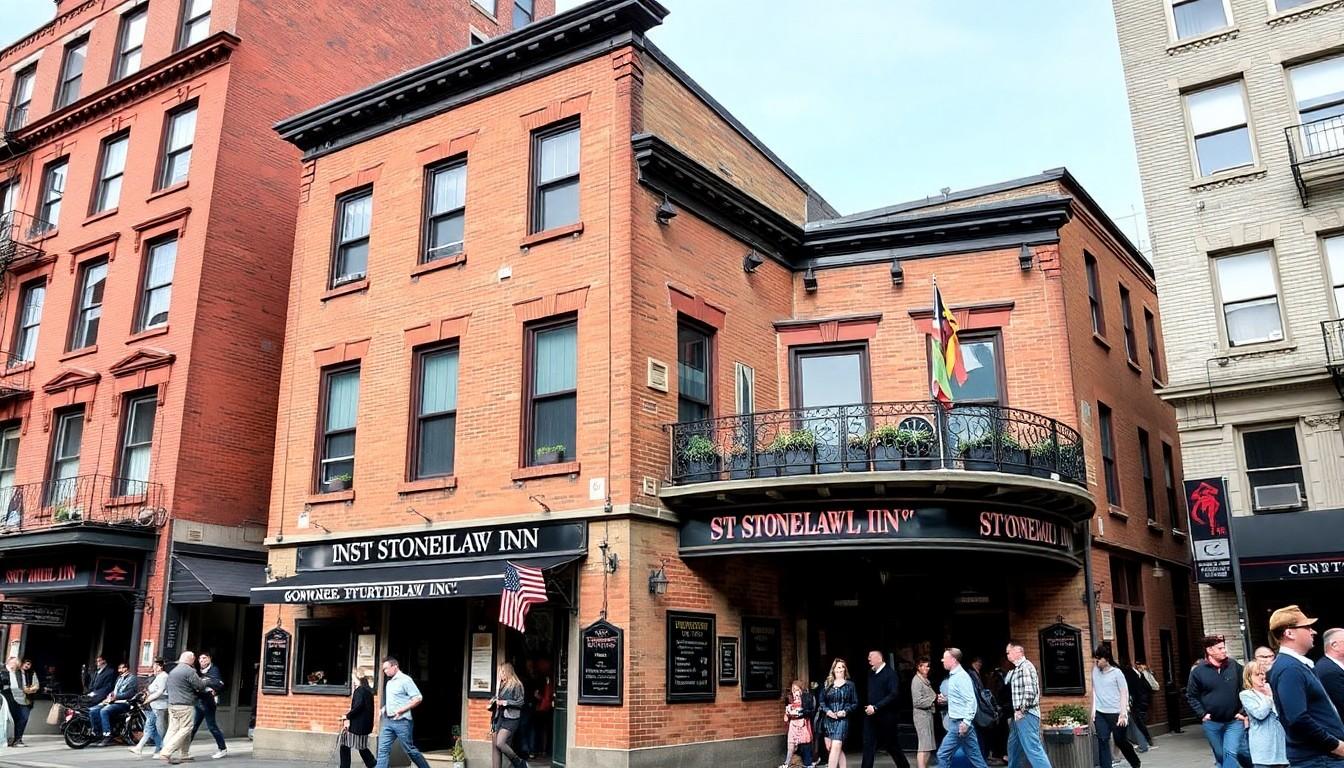
Visitors are flocking to the Stonewall Inn to see more than a landmark , they're stepping into a living classroom of resilience, community and ongoing activism, where the owners' two-decade stewardship keeps history urgent and Pride Month especially meaningful.
Essential Takeaways
- Living history: Stonewall functions as both a preserved site and an active community hub, with a warm, welcome atmosphere and palpable sense of place.
- Education-first approach: The owners prioritise teaching younger generations the struggles behind today's rights, so progress isn't taken for granted.
- Active outreach: Through the Stonewall Inn Gives Back Initiative, the venue funds global nonprofits and hosts grassroots events, exhibitions and performances.
- Pride rituals: Visitors often pause, cheer and reflect at the façade , a simple, emotional moment that links past protest with present celebration.
- Cultural incubation: Stonewall supports emerging LGBTQ+ artists and performers, mixing nostalgia with fresh voices and activism.
Why Stonewall still feels like a classroom for the movement
You can sense it the moment you join the queue: the air hums with stories, cameras and quiet respect. Stonewall’s owners say education is central to keeping the site's meaning alive, not just polishing it as a relic. The bar is curated to do two things at once , honour the June 1969 uprising and use that history to encourage present-day action. According to longer histories of the Inn, the moment in 1969 became a catalytic flashpoint; Stonewall today translates that flash into lessons and programmes. If you’re visiting, look for guided chats or small exhibits , they’re designed to connect the visceral feeling of standing there with the facts behind the myth. That bridge between feeling and context is exactly why today’s custodians treat education as activism.
How the owners made Stonewall more than a pub
When the current team took over 20 years ago, they didn’t just tidy a building , they reimagined what the Inn could do. They cleaned, reopened and plugged the site into global conversations, using press and partnerships to lift the story back into view. They also set up a formal nonprofit, which lets the venue funnel resources into wider community projects and safe spaces. This isn’t about nostalgia alone; it’s community stewardship that funds outreach, grants and events beyond the barroom. Think of it as cultural maintenance: the bricks stay steady, but the life inside keeps renewing itself through programming and support for others working on the ground.
Pride Month at Stonewall: rituals that still move people
June turns the street outside Stonewall into a theatre of memory and joy; people come from everywhere, they cheer and the building roars back. There’s something quietly powerful about the moment when a march pauses at the Inn and the crowd gets loud. The owners describe small rituals , a pre-opening cheer, a team huddle, watching the parade pass , as reminders that celebration and responsibility travel together. Those human moments are a big part of visitor experience, more than any plaque could convey. If you’re planning a visit, arrive early for that communal swell and stay for the programming upstairs; many events mix entertainment with education and fundraising.
Why the fight still matters: rollbacks, division and the work ahead
It’s tempting to package Stonewall as “victory complete,” but the custodians are clear: gains can be fragile. They point to policy rollbacks and to a more divided community as modern challenges that would surprise the original protesters. Historical coverage of the Inn shows how coalition action , across race, gender and class , made the original moment so powerful. Today’s organisers are trying to recapture that broad solidarity while confronting global inequalities in rights and protections. Practical takeaway: supporting local advocacy groups, voting, and learning the history are simple, effective ways to keep progress steady.
Stonewall as a stage for new voices and ongoing activism
The Inn’s calendar is full: emerging artists, drag performers, fundraisers and panel discussions all share the space with tourists and historians. Hosting newcomers isn’t just charity; it’s how Stonewall multiplies its influence. By giving up-and-coming musicians and performers a platform, the venue keeps the culture fresh and builds networks that can mobilise when rights are threatened. That mix of arts and activism mirrors the original movement, which grew from streets and stages alike. So when you listen to a fresh performer at Stonewall, you’re witnessing the same pipeline of community expression that helped create the movement in the first place.
It's a small change that can make every visit meaningful: learn a little, give a little, and pass the story on.
Source Reference Map
Story idea inspired by: [1]
Sources by paragraph: