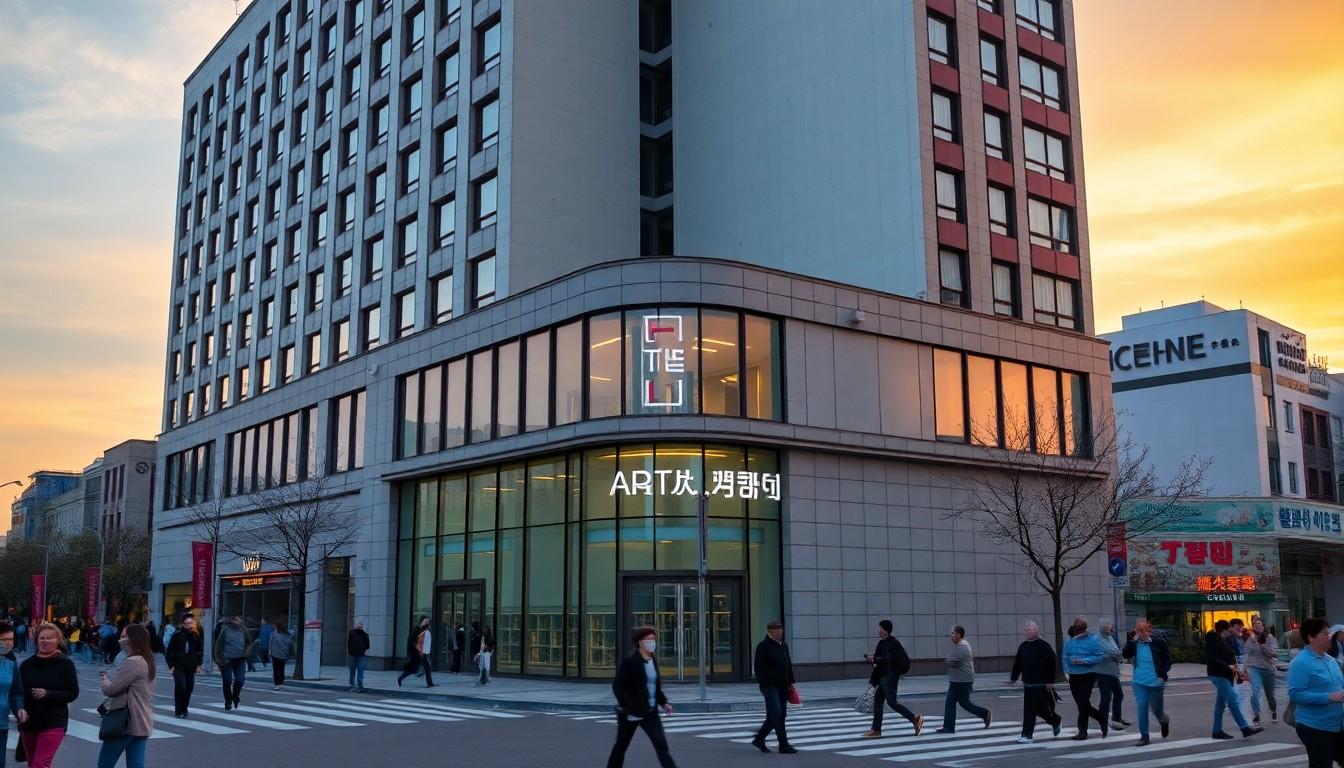
Step into Art Sonje and you’ll feel a city breathing , loud, playful and defiantly visible; Spectrosynthesis Seoul gathers 74 artists to map queer life across Seoul, mixing intimate photographs, drag performances, video avatars and incense installations to insist that LGBTQ+ stories are woven into the city itself.
Essential takeaways
- Big, busy presentation: 74 artists across four floors create a dense, energetic installation that sometimes overwhelms but mostly delights.
- Local focus, global frame: The Sunpride Foundation’s collection anchors the show while Korean artists and scenes take centre stage.
- Tactile and ephemeral work: From powdered incense that burns away to wristbands and zines, the materials feel immediate and human.
- Themes of identity and place: Video, photography and drag art explore fluid biographies, avatars and the psychogeography of queer Seoul.
- Wear-and-tear history: Pandemic wristbands and disappearing club memory recall a nightlife culture under pressure, bittersweet and physical.
You arrive in the basement , and that sets the tone
The show's choice to start visitors downstairs is a cheeky, theatrical move that immediately feels intimate and a little conspiratorial. Entering into Yang Seungwook’s Chosen Family Next Door, you're surrounded by snapshots and magnets, like stepping into someone's cherished, cluttered flat; it smells faintly of print and glue, and it’s oddly comforting. According to Art Sonje’s materials, the layout threads exhibition spaces, corridors and backstage areas into the display, which turns the building itself into part of the narrative. It’s a deliberate détournement, and it signals this isn’t a quiet, white-box show , it’s social and lived-in.
Portraits, selfies and drag , biography as material
A persistent question in contemporary curating is whether biography should guide how we read art, and Spectrosynthesis answers with a blunt, affirmative nod. Works like Sung Jaeyun’s The Guy Days and Jeon Nahwan’s For a Flash foreground personal archives and performance, making identity legible and mutable. Jeon’s video of Hong Il-pyo becoming Anessa plays like a filmed portrait, where transformation is both cinematic and tactile. As Art Asia Pacific and other commentators note, the show uses personal histories to invite empathy rather than voyeurism, so you leave feeling you’ve witnessed lives, not just objects.
Queering taxonomies and the natural world
Candice Lin’s pseudoscientific collages twist botanical and anatomical imagery into something queerer and stranger , leaves, diagrams and odd facts about milk production reframe what counts as ‘natural’. These pieces push back against tidy classifications and resonate with a larger curatorial thread here: the instability of categories, from gender to species. The effect is intellectual and slightly mischievous, and it helps the exhibition move beyond LGBT label-checking into a broader conversation about how societies name bodies and behaviours.
Memory, loss and nightlife geography
A quieter but no less powerful strain of the exhibition is archival mourning. Jeon’s The Wristband and Minki Hong’s Paradise act as funerary catalogues for places that shaped queer social life but have slipped away. The wristbands , pandemic-era mementos of venues that closed or changed names , look like a museum of club culture, small and melancholy. Scenes of Jongno cinemas repurposed for cruising, and videos about online avatars, point to the fragility of spaces that sustain communities. As coverage in local outlets has pointed out, the political backdrop in Seoul makes this documentation urgent; public attitudes and municipal rhetoric have made visibility both necessary and contested.
Smell, burn and the ephemeral: incense as testimony
One of the show’s most literal acts of vanishing is Inhwan Oh’s powdered incense work, Where He Meets Him in Seoul, which is ignited at the start and consumes itself by the closing. There’s a momentary hush when you encounter it, a sweet, burning scent that presses the experience into the body. It’s a clever, slightly theatrical reminder that cultural presence can be both material and ghostly. The piece reads as a map and an elegy at once: names of clubs spelled out and then erased, like memory being made durable and then surrendered.
How to visit and what to watch for
Plan to give yourself time and go floor by floor, because the exhibition’s density rewards lingering. Look for small details , zines, wristbands, embroidered photos , as much as headline works; they often carry the most intimate testimony. If crowds put you off, visit earlier in the day or during weekday hours. And remember this show is as much about community as it is about aesthetics, so allow space to encounter other visitors and events: talks, performances and screenings extend the exhibition’s civic feel.
It’s a show that insists queerness is part of Seoul’s urban fabric rather than a marginal add-on; a noisy, tender, occasionally messy assertion that those stories belong in museums and streets alike.
Source Reference Map
Story idea inspired by: [1]
Sources by paragraph: