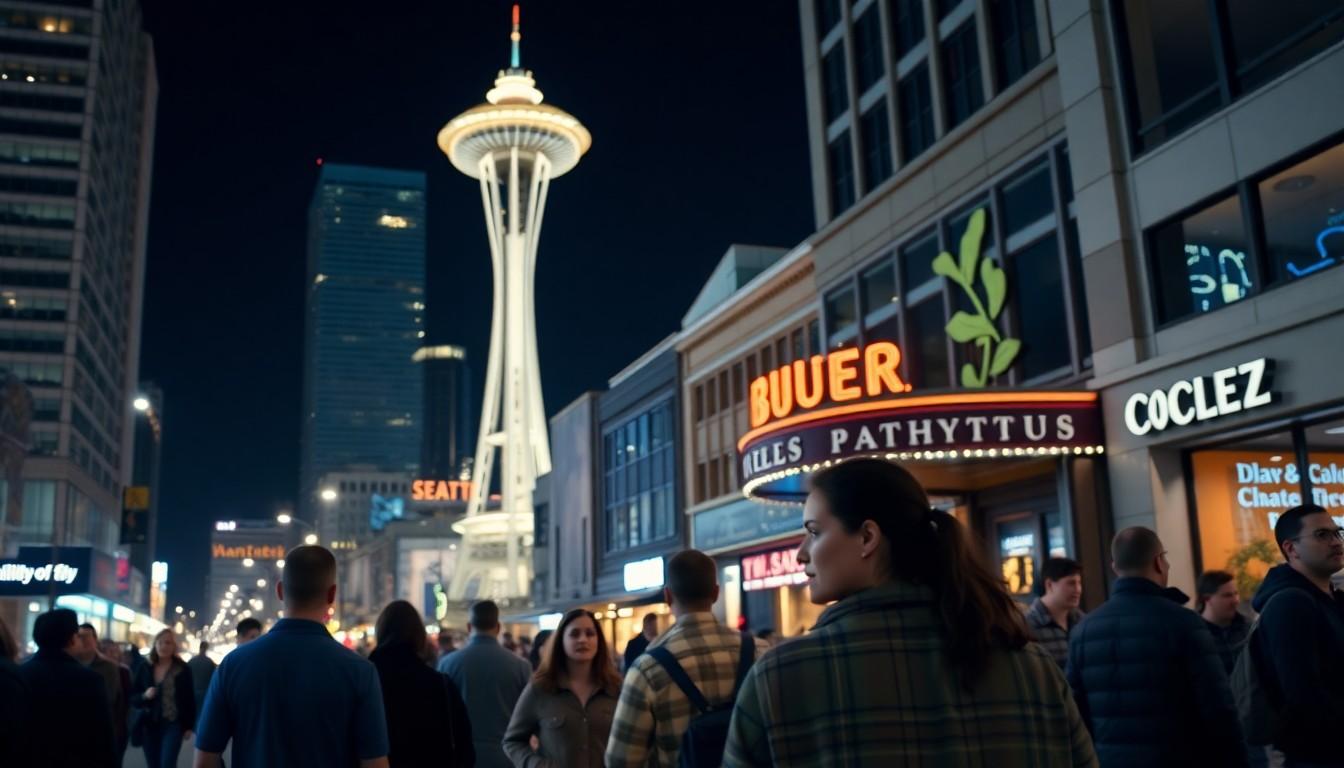
Shoppers are turning stadium aisles into parade routes this June as Seattle hosts a World Cup “Pride Match” that pairs Egypt and Iran , two countries where LGBTQ+ people face severe repression , with celebrations outside and inside the stadium, and organisers say it matters for visibility, safety and solidarity.
Essential Takeaways
- Historic pairing: Egypt and Iran, both criticised for harsh laws against LGBTQ+ people, are scheduled to play during Seattle’s Pride weekend, creating an unusually charged fixture.
- Flags allowed: FIFA will permit rainbow flags inside the stadium, signalling that the federation treats Pride displays as human-rights statements.
- Official objections: Both national associations formally objected to Pride activities; FIFA and local hosts have declined to move or cancel the celebrations.
- Local mood: Organisers and officials in Seattle describe the event as joyful and resilient, with plans for visible but secure celebrations.
- Practical note: Expect loud, colourful crowds and increased security; fans who plan to celebrate should check local guidance on entry rules and transport.
A stadium full of colour, despite diplomatic tugs-of-war
Seattle’s June match will look and feel different to many World Cup fixtures: rainbow flags, Pride banners and a festival atmosphere will be right at the edge of the pitch. That visual contrast is the strongest fact about this game , you’ll notice it before kick‑off. Organisers say their priority is to let fans express themselves while keeping everyone safe, and local leaders describe the match as an important statement of inclusion.
The controversy has roots in formal complaints. Both Egypt and Iran asked FIFA to prevent the Pride celebrations, arguing they ran counter to their laws and cultural norms. FIFA’s remit is limited to stadium property, and it has made clear flags and Pride symbols are permitted inside Seattle’s venues. For visitors, that means the visual language of Pride will be present on international TV and in thousands of photos.
Why the objections matter , and why Seattle pushed back
The protests from Tehran and Cairo are not just diplomatic noise. In Iran, same-sex relations are illegal and have been punished severely; in Egypt, vague indecency laws have been used to detain LGBTQ+ people. Those realities make the Seattle celebrations feel like a challenge to two states that tolerate, and sometimes enforce, persecution.
Yet Seattle’s response has been firm: hosting a Pride match during a festival that celebrates the city’s queer community is a deliberate choice to project values of welcome and safety. Local officials, including openly gay leaders, say the match gives an important counterpoint to repression and could even reach people in countries where Pride is forbidden. It’s a symbolic message with potentially wide reach.
What FIFA’s decision says about sport and human rights
FIFA has faced similar dilemmas before, from Qatar’s conservative rules in 2022 to other flashpoints where host nations’ laws clash with fan expression. In Seattle, FIFA officials reportedly treated the rainbow flag as a human-rights symbol and allowed it inside the stadium, a practical line that keeps the focus on the match while acknowledging broader rights concerns.
That stance won’t satisfy everyone, but it does illustrate how sports bodies try to thread a narrow needle: protect the spectacle, avoid diplomatic escalation, and permit fan expression where they legally can. For fans and activists, FIFA’s position is a mixed blessing , it creates a platform for visibility without altering the real dangers faced by LGBTQ+ people in certain countries.
On the ground in Seattle: safety, celebration and practical tips
Organisers emphasise safety and a warm welcome. Seattle Pride and city officials are advising fans to celebrate openly but sensibly: arrive early, plan your journey, and follow venue rules on bags and prohibited items. Security will be more obvious than in a typical local match, but so will the mood , expect confetti, loud chants and a lively parade just outside the stadium.
If you’re attending, choose comfortable footwear, keep a small bag for essentials, and agree a meeting point with friends in case mobile networks get busy. For those watching from afar, the match offers rare televised images of Pride energy intersecting with global sport , it’s worth tuning in for the atmosphere as much as the football.
What this match might mean beyond the game
There’s a simple, human image at the heart of this moment: people from around the world, visibly celebrating queer lives in a public place. For some viewers in Iran and Egypt, that could be the first time they see open, joyful Pride on an international stage. Local leaders promise no hateful incidents and hope the occasion sparks conversations rather than conflict.
Longer term, the Seattle fixture is part of a trend where sporting events become stages for social values. Whether it changes laws abroad is unlikely in the short term, but these are the small, high‑visibility moments that can erode stigma and offer hope. And if the crowd behaves with the warmth organisers expect, it might be remembered as a triumph of cheer over intimidation.
It’s a small change that can make every cheer feel a little braver.
Source Reference Map
Story idea inspired by: [1]
Sources by paragraph: