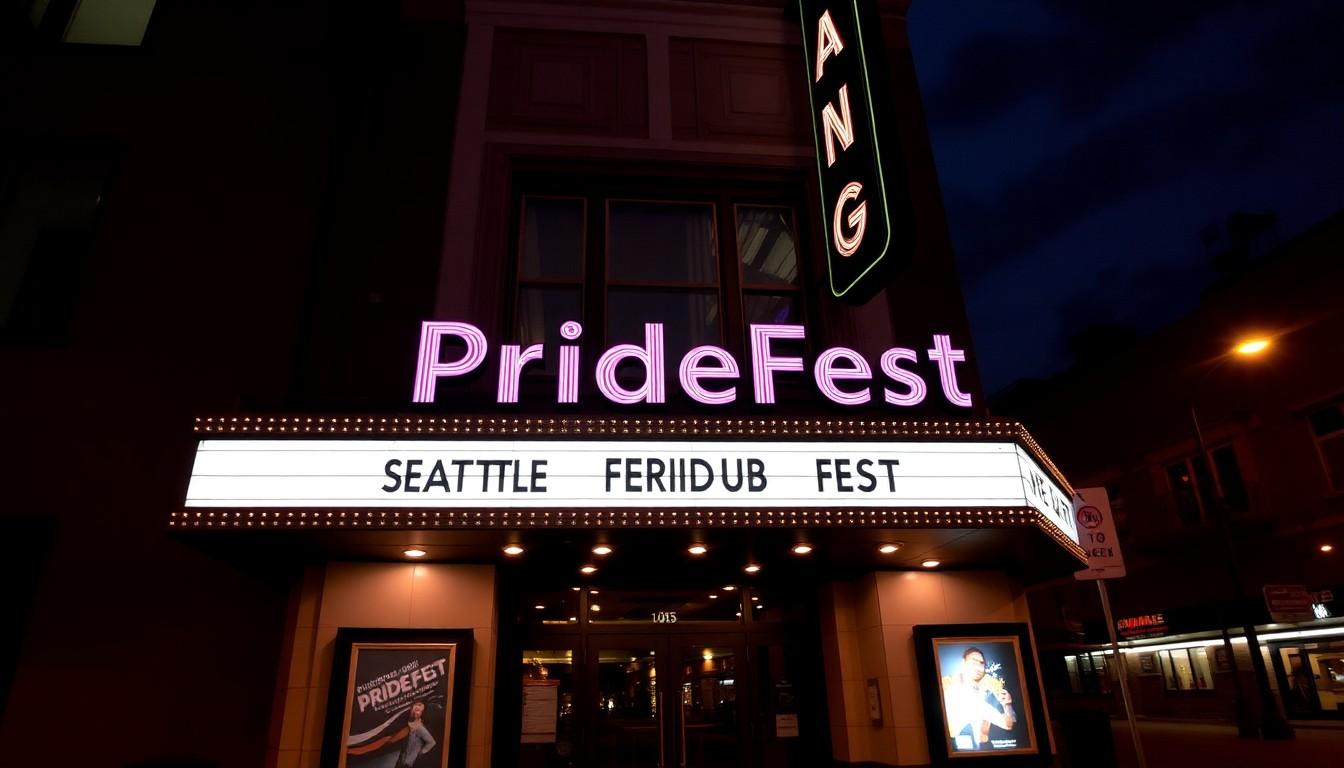
Celebrate a familiar face behind Seattle Pride: L.A. Kendall, a 30-year nightlife veteran who helped shape queer nightlife from the AIDS crisis to today, now serving as Deputy Director of PrideFest and running community grants that keep the scene alive and connected.
Essential Takeaways
- Experienced leader: L.A. Kendall brings three decades of DJing, booking and event producing to Seattle PrideFest, helping run large-scale events and grassroots nights.
- Community-first organiser: Her volunteer-driven DSA grants funnel small donations into micro-grants for event producers and grassroots causes, with a hands-on mentorship approach.
- Legacy-aware: Kendall links today’s Pride with earlier activism and mutual aid during the height of the AIDS crisis, stressing history as a guide for future organising.
- Local network builder: She’s worked with venues, labels and promoters across Seattle and beyond, including involvement with Tacoma and Portland Pride celebrations.
- Practical sensibility: Kendall’s experience ranges from bar shifts and busted DJ decks to booking major stages, so she knows how to size a gig, manage sponsors, and rally volunteers.
From broken decks to Deputy Director , how she started in Seattle nightlife
L.A. Kendall’s story begins cinematic and practical: stepping off a plane with a suitcase and a job-driving hustle. She taught herself to DJ on a bar’s broken kit, learned bartending and earned her stripes in late-night rooms that smelled of smoke and cheap perfume. That hands-on schooling gave her a gritty, practical sense of what events actually need , a sturdy soundboard, reliable volunteers and someone who’ll pick up the tab when things go sideways.
Her early years coincided with seismic moments for the city: grunge was booming, and the AIDS crisis reshaped communities. Those experiences hardened a commitment to fundraising and mutual aid that still informs how she runs Pride events today. If you want someone who understands both club-floor energy and logistical headaches, Kendall’s CV is the proof.
Mentors, the “lesbian mafia,” and why queer history matters
Kendall credits her approach to three central mentors who taught skills and history. Amanda Bailey spun more than drinks , she passed on queer history lessons that knit activism into party culture. Shelley Brothers of the Wildrose modelled stewardship and protection, while Caroline Davenport brought creative daring from the grunge and indie scenes. These influences made Kendall see nightlife as both joy and duty.
According to those who knew the era, queer spaces then were community centres as much as nightspots: hubs for fundraising, sharing information about safe sex, and creating chosen families. Kendall’s insistence on embedding history into Pride programming is a deliberate effort to make sure new audiences know why the marches and parties mattered beyond the dancefloor.
From club nights to big stages , the arc of event production
Kendall’s nights, like her early Caliente residency, grew from basement energy to major stages. She moved from grassroots club nights to roles with record labels, marketing firms and large festivals, learning the business of booking, promotion and sponsor relations along the way. That breadth matters: producing a queer dance night is one skill, producing a citywide Pride festival is another, and Kendall’s had both apprenticeships.
Producers thinking of scaling up should note her playbook: build deep local relationships, mentor newcomers, keep costs transparent, and craft grant programs to support risk-taking events. The trick is balancing creative risk with financial sustainability , something Kendall navigates by combining community fundraising with savvy partnerships.
Do Something Already , small grants, big impact
Kendall and her wife, Amy, launched Do Something Already (DSA) to channel small donations into meaningful support: $500 Glitter Grants, holiday micro-grants, and a $1,000 Pride weekend award that pairs winners with mentors and industry contacts. It’s a model that keeps administration lean , all-volunteer and community-funded , while prioritising direct help to producers and grassroots organisers.
This approach recognises a simple truth: a few hundred pounds can launch a show, cover a performer fee, or help pay for essential kit. For emerging organisers, DSA offers both cash and a warm hand into the community, which is often more valuable than the grant itself.
Sponsorship strain and why community ties matter now
The funding landscape for Pride programming is shifting; some sponsors have become more cautious, and organisers are feeling the pinch. That makes local fundraising and volunteer networks crucial. Kendall has been vocal about building resilience through diversified income streams and stronger volunteer pipelines, arguing that the community must be ready to step in when institutional support wavers.
Her view is pragmatic: retain the spirit of in-person organising that once saw people plastering flyers by hand, while also using modern tools to broaden reach. That blend of old-school hustle and new-school strategy might be the recipe for keeping Pride both festive and politically effective.
What this means for Pride attendees and aspiring producers
If you turn up to Pride this year, you’re seeing decades of labour behind the scenes , people like Kendall who built nights, taught DJs, managed talent and kept community fundraising alive. For aspiring producers, her career suggests three practical moves: start small and learn every role, seek mentors who know the scene’s history, and create grant or barter systems to support peers.
For regular attendees, the takeaway is simpler: show up, volunteer, and chip in where you can. The events you love exist because dozens of unseen hands keep them going.
It's a small change that can make every Pride a bit safer and more vibrant.
Source Reference Map
Story idea inspired by: [1]
Sources by paragraph: