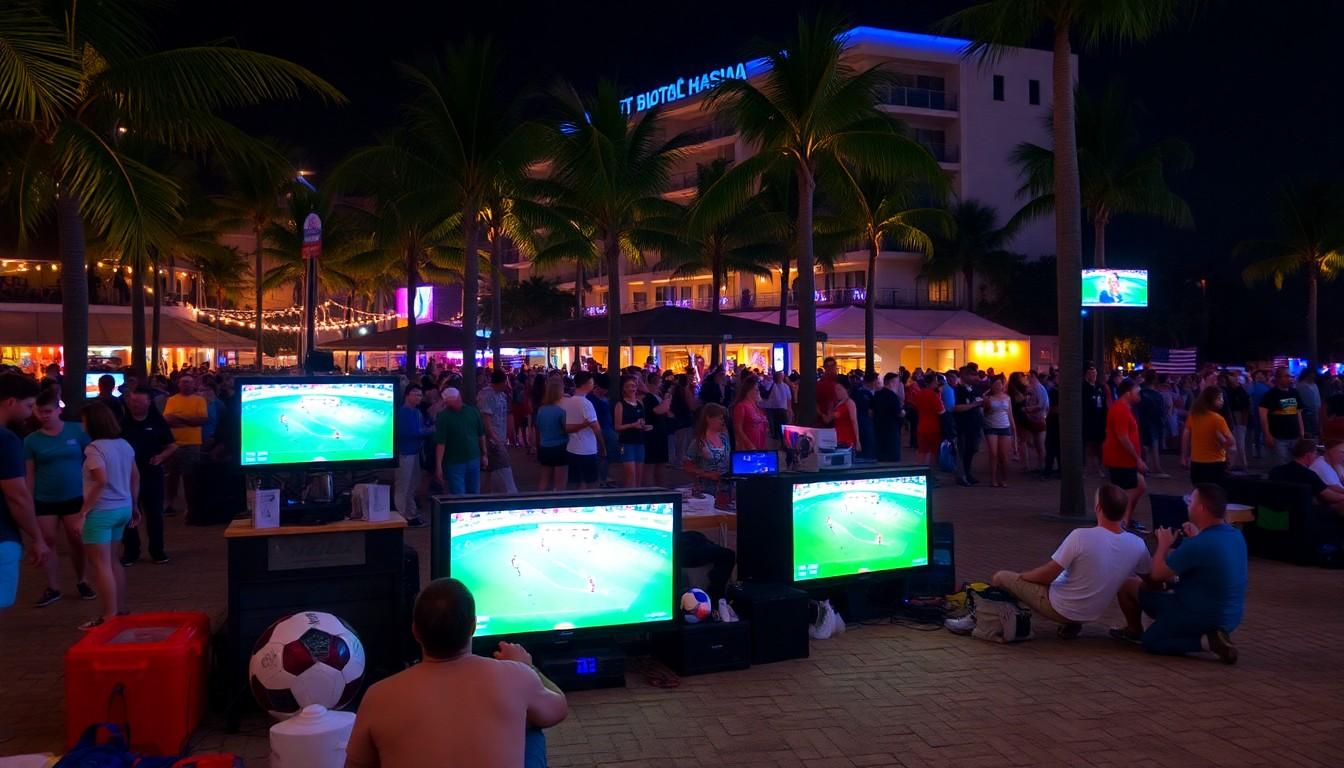
Shoppers and fans turned up the volume on pride and sport as Pride House LA/WeHo opened for a four‑day World Cup kickoff, giving LGBTQ+ fans and allies a place to watch, celebrate and shape how sports gatherings will look in Los Angeles ahead of 2028.
Essential Takeaways
- What happened: Pride House LA/West Hollywood hosted four days of World Cup programming, mixing watch parties, panels and community moments.
- Women’s focus: Saturday highlighted women’s soccer with a watch party, a live RE, CAP Show taping featuring Tobin Heath and Christen Press, and conversations about player culture.
- Community vibe: Events felt informal and welcoming , more like a group chat than a formal panel , encouraging people to linger and connect.
- Non‑alcoholic trend: Giesen 0% Spritz and other alcohol‑free options were served, letting guests toast without drinking and stay for longer conversations.
- Looking ahead: The activation previewed how LA might host inclusive, identity‑forward fan experiences ahead of the 2028 Olympics.
A lively opening: sport, identity and the smell of spritz
Pride House LA/WeHo kicked things off with the kind of buzz that makes a festival feel both intimate and electric, the air filled with laughter, camera flashes and the soft fizz of non‑alcoholic spritz. Organised by the Out Athlete Fund and hosted at Beaches Tropicana, the weekend wasn’t just about watching matches, it was about creating space where queer fans don’t have to choose between identity and fandom. According to organisers, the four‑day format intentionally blended viewing moments with conversations so people could move between reaction and reflection. If you’ve ever wanted a sports event that feels like a night in with your most informed friends, this was it.
Women’s Soccer Day: in the spotlight and leading the conversation
Saturday deliberately put women’s football front and centre, starting with a Qatar vs Switzerland watch party and shifting into a live taping of The RE, CAP Show with Tobin Heath and Christen Press. The session played less like a scripted panel and more like rolling commentary from teammates, which made the conversation feel immediate and candid. That tone matters: as interest in women’s soccer grows worldwide, events like this help fans feel seen and involved rather than sidelined. If you’re choosing what to attend next, look for sessions that mix match viewing with athlete voices , they tend to be the most memorable.
How Pride House models inclusive fan experiences
Across opening night, Latin culture programming and a closing lineup focused on LGBTQ+ visibility in pro soccer, Pride House mixed celebration with community building. The weekend included the first Gay MLS Players Reunion and a Gay Games sendoff, signalling organisers want athletes and fans to recognise one another across careers and competitions. This model pushes against the old gatekeeping of sports spaces, offering accessibility and familiarity instead of formality. For organisers elsewhere, the takeaway is simple: make room for different ways to enjoy sport and people will stay, chat and return.
The rise of the social sipper: non‑alcoholic options matter
Giesen 0% Spritz was visible throughout the venue, and the presence of alcohol‑free choices felt tactical, not tokenistic. Younger audiences increasingly expect alternatives that replicate the ritual of a toast without the alcohol, and that changes how long people stay and how they mingle. At Pride House, the result was obvious , guests lingered for deeper conversations, and raised glasses whether they drank alcohol or not. If you’re planning events, offering a well‑made zero‑proof option can be an inclusion move that also improves atmosphere.
Why this matters for LA 2028 and beyond
As Los Angeles prepares for an influx of global sport in the coming years, Pride House LA/WeHo offered a compact preview of fan experiences that feel local, inclusive and culturally aware. Women’s sports and queer culture weren’t sidebars; they were central drivers of programming and energy, which says a lot about where fans, rights movements and brands are headed. Expect more activations that centre identity as part of the event, not an add‑on , and anticipate non‑alcoholic hospitality and athlete‑led content to become standard. It’s a small cultural shift, but it changes who feels welcome in the stands.
It's a small change that can make every match feel like it belongs to everyone.
Source Reference Map
Story idea inspired by: [1]
Sources by paragraph: