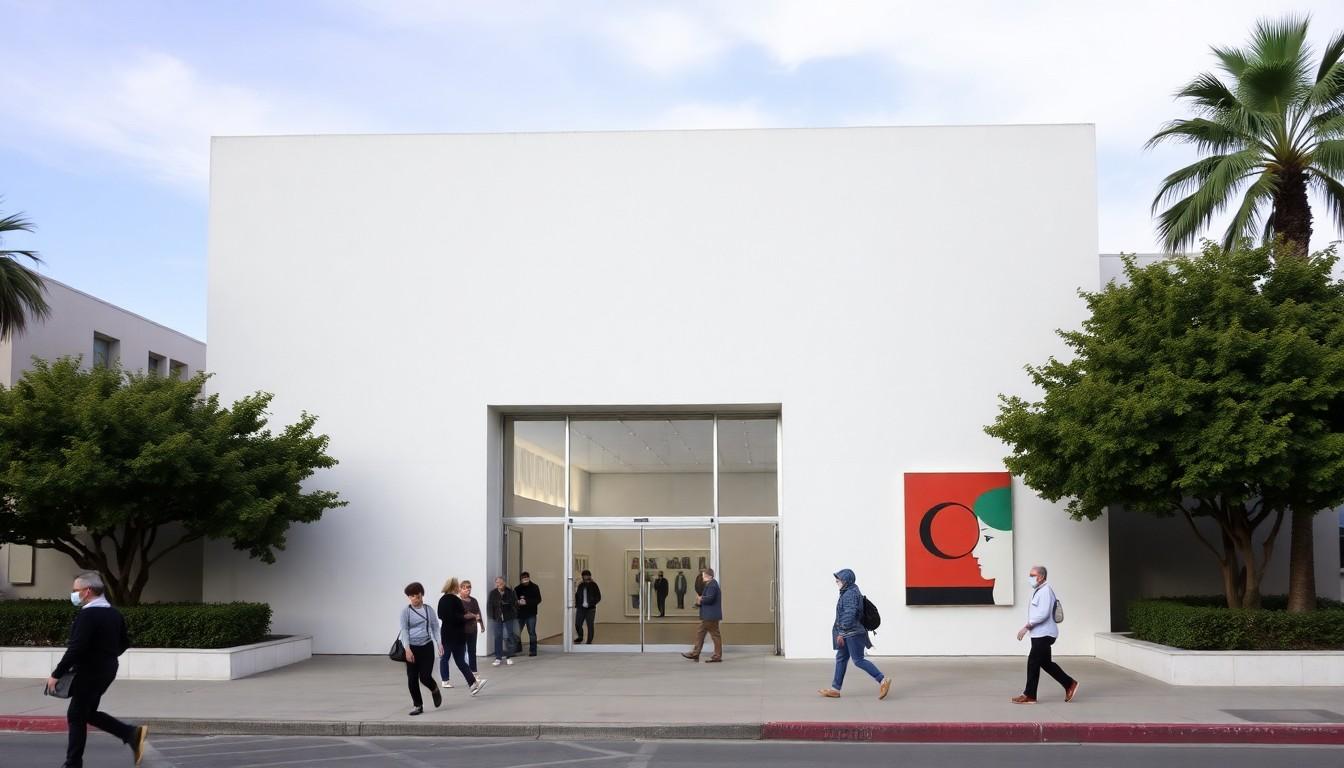
Explore lively, challenging and deeply human queer art across Los Angeles this Pride Month , from club-rooted performance to archival shows that reframe history, these galleries and exhibitions offer more than rainbow signage: they offer stories, memory and community in vivid, surprising forms.
Essential Takeaways
- Wide range: From museum-scale celebrations to underground performance nights, LA’s queer programmes span galleries, theatres and public events.
- Historic and contemporary: Expect archival projects alongside fresh commissions that rethink trans, Black and immigrant queer narratives.
- Sensory variety: Shows mix photography, film and live performance , some are quiet and reflective, others loud, tactile and club-inflected.
- Accessibility: Many institutions are staging free or low-cost events during Pride; check schedules for family-friendly or mature-content warnings.
- Plan ahead: Popular performances and community festivals sell out , book early and look for companion talks or workshops.
Why LA’s Pride shows feel like more than parade aesthetics
Los Angeles has always been a place where nightlife, migration and art meet, so it’s no surprise that Pride programming here tends to be textured and lived-in, not just decorative. You’ll find exhibitions that smell faintly of club smoke, archives that carry the soft weight of handwritten flyers, and portraits that feel like private conversations. Museums and smaller spaces are leaning into complexity, showcasing how queer life has been lived across generations and neighbourhoods.
Institutions from established museums to artist-run spaces are using Pride as a moment to reveal work that has been overlooked or to commission new projects that interrogate belonging. That means you can catch shows that move from Black queer histories predating Stonewall to queer immigrant narratives, each offering different emotional registers and visual strategies. If you want a fuller experience, plan to mix a contemplative gallery visit with a performance night or a community festival for contrast.
Not to miss: gallery shows with archival heft
Several LA exhibitions this Pride dig into archives and family histories, transforming ephemera into urgent narratives. These shows often feel intimate , think scanned letters, old photos and recorded oral histories presented so you suddenly know a life you didn’t before. They’re quiet but full of detail, and they reframe the kinds of stories generally told about queer history.
Curators are pointing to these archives to expand the public’s sense of who and what queer communities have been. That approach matters: it changes the conversation from a single, marketable tale to many overlapping lives. If you prefer slow-looking, these archive-driven exhibitions repay time and attention; bring reading specs and a readiness to sit with complexity.
Performance and nightlife: where queerness is live and electric
If you want the pulse of contemporary queer culture, catch performances that grew from club scenes and DIY collectives. These events are sensory , loud music, tactile costumes, and choreography that insists on presence. Performances can also be political, reclaiming bodies and lineages in ways that a static gallery can’t.
Programs connected to festivals or queer theatres offer everything from late-night experimental sets to staged, durational works. They’re prime places to witness how queerness functions as joy, resistance and ritual. Tip: check maturity notes and buy tickets early, because the best shows sell out fast.
Community festivals and family-facing events for Pride in the Park
Pride in the Park and similar community-led festivals are where celebration meets service: expect performances, stalls from mutual aid groups, and family-friendly activities alongside political booths. These gatherings are sensory melanges , food, music, and a steady, warm human presence , and they’re often free or donation-based.
Organisers use these spaces to connect art with everyday queer life, whether through pop-up exhibitions, live portrait booths, or intergenerational storytelling. If you’re attending with kids, look for curated family hours; if you want to avoid crowds, head early or seek smaller satellite events.
How museums are making Pride programming more inclusive
Major museums in LA are increasingly embedding queer perspectives into their programming rather than relegating them to a single gallery for the month. That means exhibitions that intertwine queer themes with wider conversations about race, labour, and migration, and public programmes that include panels, screenings and workshops.
According to program listings, many institutions are also offering sliding-scale ticketing or free access during Pride-related events, which helps broaden who can participate. If accessibility matters to you, search for captioned performances, sensory-friendly hours, and physical-access information before you go.
Practical tips for seeing queer shows in LA this month
Plan with logistics in mind: LA is spread out, so map neighbourhoods and group nearby shows into one outing. Look for companion events like talks or bookshops attached to exhibitions , they often deepen the experience. Bring cash for small vendors, comfortable shoes for walking between venues, and a curiosity for work that may surprise or unsettle you.
If you want a balanced Pride itinerary, combine a reflective archival exhibition, an energetic performance night, and a community festival. And if a show moves you, consider buying the catalogue or supporting the artist directly , it’s a small gesture that sustains the community.
It's a small change that can make every visit feel more meaningful.
Source Reference Map
Story idea inspired by: [1]
Sources by paragraph: