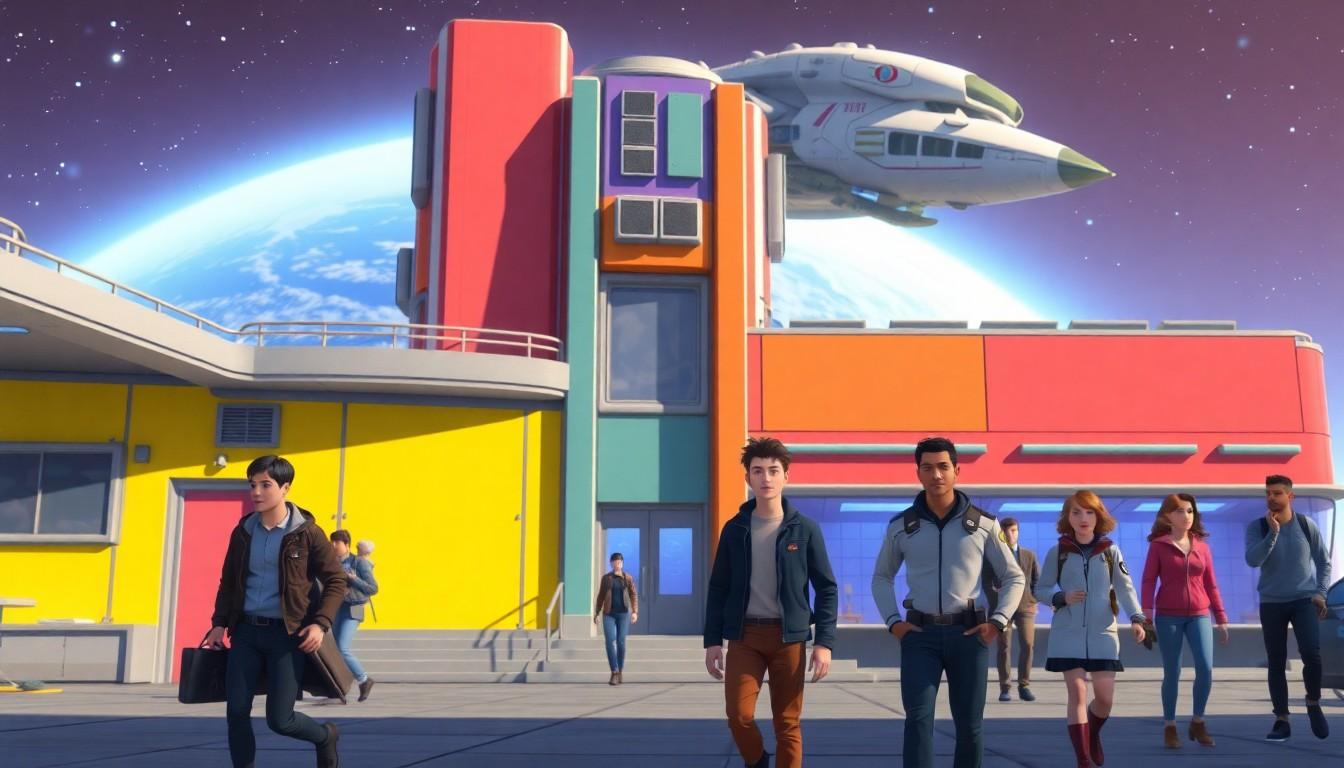
Enjoy a bubbly, queer-forward animated romp: Australian indie Lesbian Space Princess charts a colourful rescue mission, leans into camp and inner turmoil, and matters because it finds conflict beyond coming‑out beats , even if its jokes sometimes miss the mark.
- Bold, colourful visuals: bright 2D animation with pinks, purples and inky dream sequences that show Saira’s interior life.
- Strong central performance: Shabana Azeez’s voice work shifts from anxious to fierce, giving the lead real emotional depth.
- Campy, queer cast: familiar drag and queer comedy voices bring energy and playful humour, with a sturdy, nostalgic Cartoon Network vibe.
- Some hits and misses in satire: jokes aiming for subversion occasionally feel heavy‑handed or exclusionary, especially around gendered symbolism.
- Good for fans of joyful queer stories: fun, heartfelt and imperfect , a distinctive indie pick for viewers after sapphic sci‑fi.
A lively heroine and a not‑so‑stoic inner world
The film opens on Princess Saira, an introverted 23‑year‑old whose quietness is rendered with a soft, uneasy hum that makes her relatable. According to reviews in The Guardian and others, that interiority is where the film really sings , dark, shapeshifting sequences visualise childhood trauma and self‑doubt in a way that’s both unsettling and beautiful. The animation turns psychological pain into something tactile; you can practically feel the inky weight around her.
The backstory is simple but effective: Saira hasn’t fulfilled her lesbian birthright of summoning a magical labrys and has been voted “boring” by the queer galaxy. That setup lets the film skip the usual coming‑out beats and instead explore confidence, identity and what it means to be worthy of your own story. It’s an elegant pivot that puts emotional stakes at the forefront, rather than external prejudice.
Camp, fandom cameos and indulgent queer joy
If you like your animation loud and affectionate, this film delivers. Reviewers note a cast stacked with queer Australian performers and drag favourites, who give the movie its cheeky, clubby energy. Visually and tonally, there are clear nods to Adventure Time’s elastic character designs and Sailor Moon’s magical‑girl flourishes, which make the film feel familiar in the best way.
Directors Leela Varghese and Emma Hough Hobbs swing for laughs and heartfelt beats, and most of their hits land. The soundtrack, colours and brisk pacing keep things moving, and the central rescue‑mission plot provides a pleasingly cinematic spine for a largely character‑driven piece.
Where the satire stumbles
Not every gag sits comfortably. Multiple critics point out moments where the film’s attempt at subversive humour becomes blunt rather than clever, especially when it leans into phallic versus vaginal imagery as shorthand for oppressor and oppressed. Some scenes riffing on lesbian sex also tumble into cringey territory, which undercuts a lot of the film’s otherwise tender depiction of sapphic desire.
These missteps matter because the film is otherwise trying to broaden queer storytelling; a sharper, more inclusive satirical line would have made its political punch feel earned rather than tacked on. Still, for many viewers the emotional core and the joyous set pieces outweigh these lapses.
How it fits into the new queer animation wave
Lesbian Space Princess arrives at a moment when queer creators are pushing genre beyond trauma and trauma alone. By placing queer characters in a sci‑fi caper, the film joins others that normalise queer lives while still exploring psychological complexity. Critics have noted that its approach , focusing on self‑worth and personal growth rather than big social arcs , feels both refreshing and modest.
For those choosing what to watch, this is an indie feature that rewards viewers who enjoy character work, expressive animation and campy humour. If you prefer razor‑sharp satire or fully nuanced political commentary, temper expectations; if you want warmth, colour and a lead who learns to love herself, this is a solid pick.
Tips for viewers and parents
If you’re planning to watch with friends or younger teens, expect frank jokes about sexuality and some intense, surreal imagery. The movie is best appreciated with an adult audience who can enjoy queer in‑jokes and accept a few awkward laughs. For parents, consider watching it first if you want to gauge how comfortable you are with more explicit comedic beats.
If you’re a fan of animated heroines or sapphic stories, give the film a chance for its heart and style , and for a few genuinely touching scenes that stick with you.
It's a small, imperfect leap for queer animation, and one that refuses to be boring.
Source Reference Map
Story idea inspired by: [1]
Sources by paragraph: