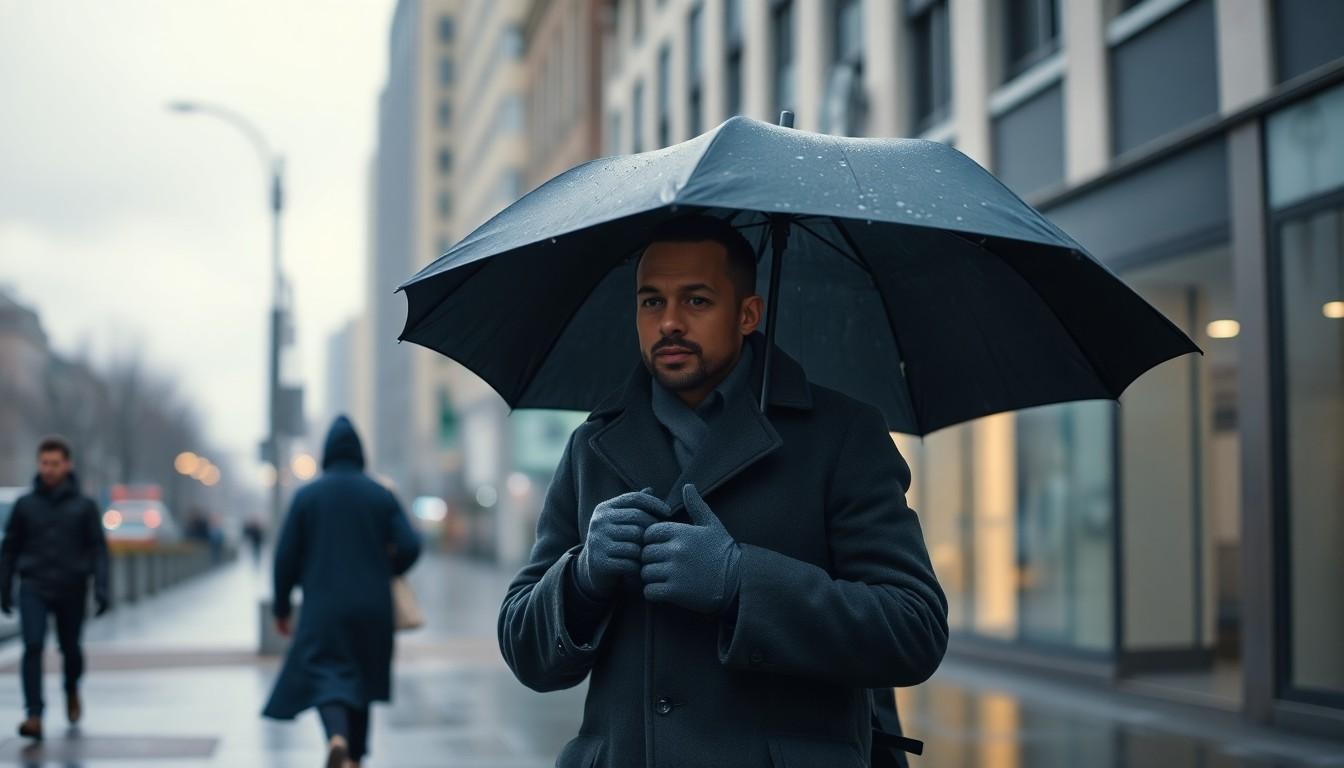
Watch as men on Reddit list the daft, dated things that got them labelled “gay”, and why these throwaway insults still matter for masculinity and mental health. From umbrellas to skincare, the thread shows how toxic stereotypes stick around , and why they’re worth challenging.
Essential Takeaways
- Common theme: Ordinary behaviours , drinking tea, folding laundry, wearing red , were frequently described as reasons men were called “gay”.
- Sensible but stigmatised: Practical choices like using an umbrella or eating low‑fat yoghurt were framed as unmasculine, even though they’re everyday and harmless.
- Emotional sting: Being mocked for small things can stick; some users said remarks shaped tastes and choices for years.
- Bigger picture: Experts and reports link this kind of policing of behaviour to broader toxic masculinity trends with real harms.
- Quick tip: If you or someone you know is policing gendered behaviour, call it out gently and offer alternatives that centre respect, not ridicule.
A thread of tiny slights that reveal big attitudes
The Reddit discussion that sparked this reads like a highlights reel of absurdity, with men posting tiny, everyday things that once led to a “you’re gay” jab. The humour is dry and the list is oddly tactile , umbrellas, flip‑flops, the colour red , so you can almost see the eye‑roll and the defensive clench behind each anecdote. According to the thread, these comments aren’t always malicious; sometimes they’re thoughtless echoes of what other men were told. But repeated enough, they shape behaviour and self‑image.
Context matters. These jibes sit inside longer cultural histories that police how men should behave, look and even smell, so the joke becomes a rule. Social commentators and psychologists point out that this kind of ridicule is one of the small gears that keep broader, harmful models of masculinity turning.
Why outfits, hobbies and food get weaponised
There’s a pattern in what gets labelled: anything seen as care, taste or niceness. Handwriting, baking, plants, skincare , all those little pleasures that don’t fit a cartoon version of ruggedness become suspect. Men who enjoyed these things reported being teased or subtly steered away from them, which often meant hiding interests or changing habits to avoid comment.
Media and academic coverage suggest this isn’t just banter. Toxic masculinity, as discussed in commentary and research, rewards a narrow emotional range and punishes deviation. So the punchline is also policing: it tells boys and men to keep their preferences within a very small box.
The mental health cost of “banter” that bites
What reads as casual teasing can have a cumulative effect. Several reports show that rigid gender rules increase stress, isolation and reluctance to seek help. When eating yoghurt or using a straw becomes a marker for masculinity, it makes experimenting, self‑care and vulnerability harder. That’s why public health voices and mental health charities say these small humiliations matter , they affect how men relate to themselves and others.
So when someone laughs off a comment about wearing a coat or singing, the person on the receiving end may remember that laugh for years. That memory nudges future choices , like avoiding red cars or not learning to bake.
How to call out the nonsense and keep it civil
You don’t have to grandstand to make a difference. Start small: ask what someone means by “that’s gay” and point out the cheapness of the phrase. Offer alternatives that centre curiosity: “Oh, I love baking , what do you like cooking?” Facts help too , liking plants doesn’t affect your sexuality, it just means you enjoy living things.
If you’re the one being teased, try a short, direct reply that defuses rather than escalates: “That’s a weird thing to say” or “Why would that matter?” In workplaces or schools, leaders can set clearer norms by discouraging slurs and teaching respect for different interests.
Trends to watch: will these jibes fade?
There are reasons to hope. Younger generations tend to accept broader gender expressions and are more likely to call out casual homophobia. Still, the Reddit thread shows how stubborn these tropes are, lodged in everyday speech and family jokes. Cultural change is patchy and slow, but steady exposure to different role models and frank conversations about masculinity make a difference.
If you want to shift things, amplify examples of men who enjoy traditionally “non‑masculine” activities, and normalise practical choices , an umbrella in the rain is just sensible, after all.
It's a small change that can make every taunt feel less sharp.
Source Reference Map
Story idea inspired by: [1]
Sources by paragraph: