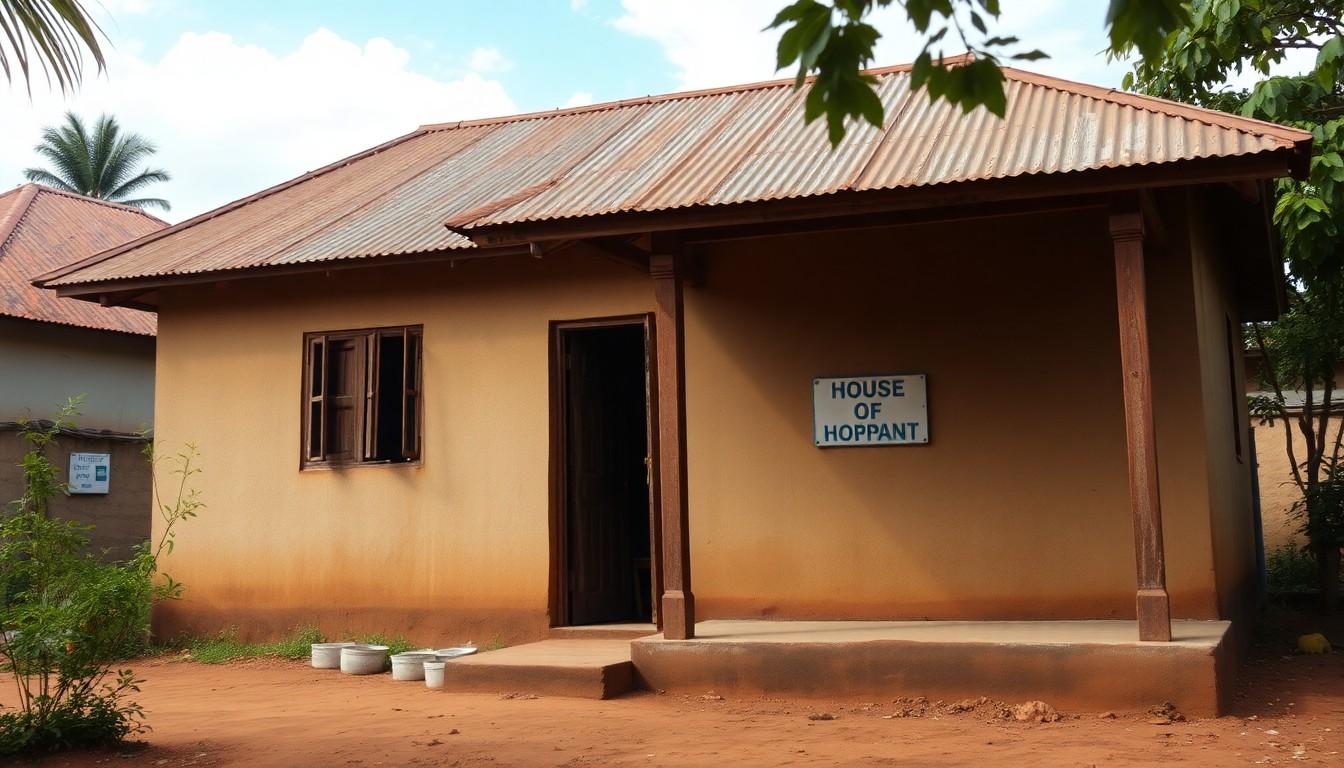
Shoppers and supporters are turning their attention to Benjamin Wejuri, the Ugandan activist who ran House of Hope, after violent attacks forced him to flee to Kenya; the story matters because it highlights the daily risks LGBTQ+ people face under Uganda’s Anti-Homosexuality Act and why international help can be life-changing.
Essential Takeaways
- Founder displaced: Benjamin Wejuri, who opened House of Hope in 2019, has left Uganda after a brutal assault and now lives in Kenya, recovering from serious injuries.
- Shelter closed: House of Hope provided housing, mental-health support and skills training, especially for trans women, but it’s now shut and its occupants dispersed.
- Escalating threat: Violence and raids increased after Uganda’s 2023 Anti-Homosexuality Act, and both state and non-state actors have targeted LGBTQ+ people.
- Refugee hurdles: Seeking asylum is risky and slow; evidence requirements, shrinking refugee quotas and adjudicator bias make relocation difficult.
- Practical needs: Wejuri needs medical care, basic funds and a plan to rebuild , supporters are backing a GoFundMe to help him get started.
Why Benjamin left: a stark turning point
The opening fact is simple and shocking: a long-time activist was dragged from his home and beaten so badly neighbours had to rush him to hospital. The assault left him with neurological and physical injuries that no one should carry alone. According to reporting, that attack followed targeted intimidation , a shelter resident was lured away and beaten, her phone used to expose connections to the House of Hope. It’s the sort of escalation that makes staying impossible.
Backstory matters here. House of Hope wasn’t a fad or a charity with a glossy brochure; it was a community lifeline created in 2019 to house and train marginalised LGBTQ+ people. Owners say the shelter weathered evictions, raids and constant financial strain, but eventually the cumulative risk , legal, social and physical , closed it. For those who ran or relied on it, fleeing was survival, not choice.
What Uganda’s law changed on the ground
A quick read of the 2023 Anti-Homosexuality Act helps explain the context: the law criminalised same-sex intimacy with harsh penalties and emboldened both officials and civilians to act. International outlets documented sanctions, diplomatic warnings and the chilling effect the law had on safety. The impact isn’t just arrests; it’s landlords evicting tenants, health workers refusing care and families turning on relatives.
This matters because it normalises violence. When legislation signals that certain people can be punished, private actors often follow suit. That’s why shelters like House of Hope became lightning rods , safe spaces that, under previous conditions, might have operated discreetly, now draw lethal attention.
Why Kenya feels safer , and not entirely safe
Kenya is a complicated refuge. For Wejuri, crossing a border brought immediate safety from the attackers, and for now it’s less likely he’ll be targeted in the same way. Kenya permits gender marker changes for trans people, which signals some administrative openness, but colonial-era laws still criminalise same-sex intimacy in practice. Reports show homophobia and transphobia persist: harassment, “corrective” abuse, discrimination in education and work.
Practical takeaway: moving countries can reduce immediate risk but rarely solves long-term vulnerability. Newly arrived refugees face higher living costs, limited access to healthcare and an often-hostile social environment. Supporters who want to help should consider funding medical bills, short-term rent and legal assistance.
The uphill path to asylum and why evidence matters
Getting recognised as a refugee is a fraught process. As Wejuri explains, claimants must produce proof of identity as LGBTQ+ people and letters from contacts , documents that can only be gathered at great personal risk. Researchers and refugee-rights groups report that adjudicators sometimes discount applicants who don’t match stereotypes, and global refugee admissions have plummeted in recent years.
That matters for anyone thinking the solution is “just leave.” Even when an escape route exists, it can take years , some people wait half a decade , and policies in resettlement countries have tightened, reducing the number of people who can be welcomed each year. Donors and advocates who want to help should understand that legal aid and documentation support are as critical as short-term shelter.
How supporters can make a practical difference now
There are concrete ways to help beyond social-media outrage. The immediate needs are medical care, housing and cash for basic living costs while Wejuri rebuilds. Longer term, funding for legal assistance, documentation, and projects that create income , like the broadcast and photography work he’s planning , will provide sustainable stability.
If you’re moved by the story, small practical moves include donating to verified campaigns, giving via trusted NGOs that work on refugee and LGBTQ+ issues, and pressuring elected representatives to maintain resettlement quotas and protections. As one Philadelphia activist noted, those of us living with safety owe something to people who don’t have it.
It's a small change that can make every step toward safety feel possible.
Source Reference Map
Story idea inspired by: [1]
Sources by paragraph: