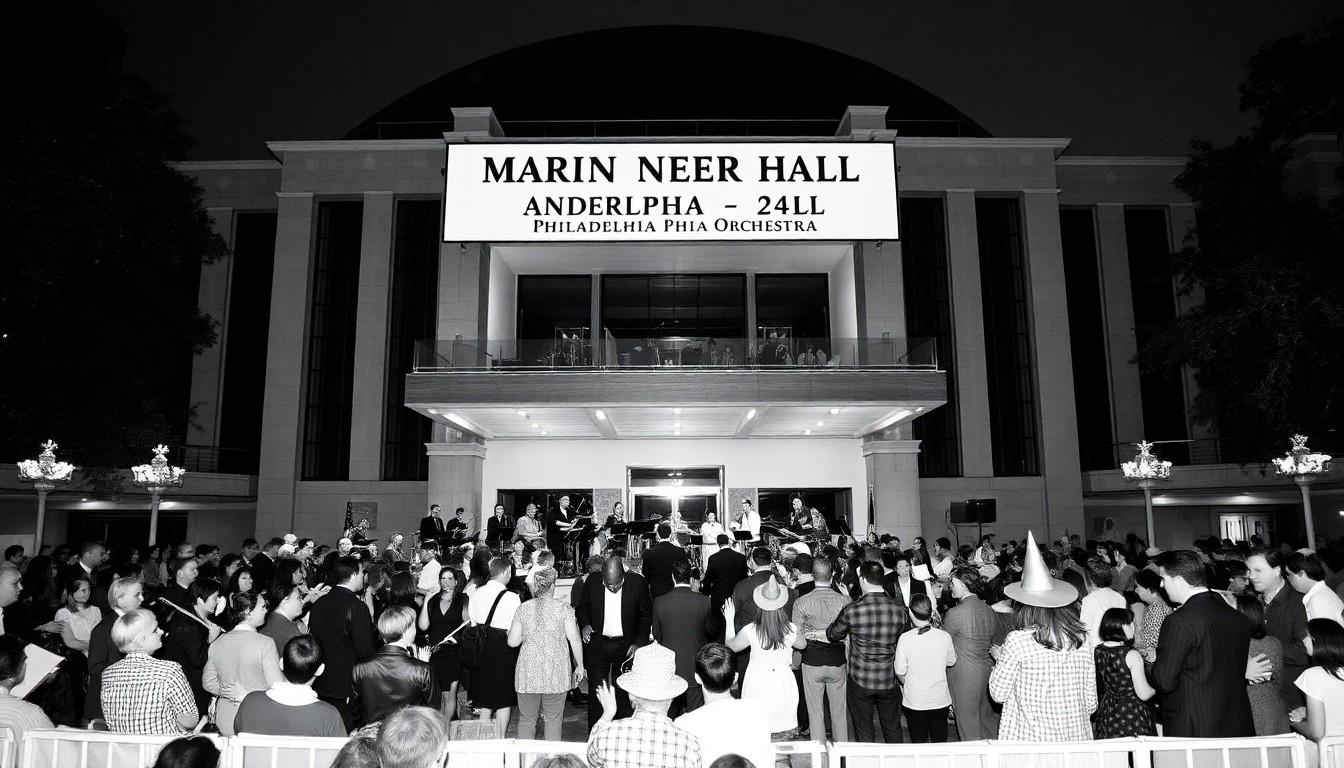
Shoppers and theatre-lovers are turning out for a live, full-film performance of The Wizard of Oz as the Philadelphia Orchestra brings the classic to Marian Anderson Hall June 26–27 , a joyful, technicolour way to close out Pride month and experience Judy Garland’s legacy with a big, orchestral flourish.
Essential Takeaways
- When and where: The Philadelphia Orchestra performs The Wizard of Oz in Concert June 26–27 at Marian Anderson Hall, 300 S Broad St.
- What to expect: The full 1939 film screened with a live orchestra performing the original soundtrack, including vocals left in the film; visually lush and musically precise.
- Performance feel: Expect a warm, communal vibe , audience members often dress as Oz characters and the production leans into celebration and queer joy.
- Technical challenge: Conducting live to an old film is tricky , tempos vary and the conductor must sync dozens of musicians to irregular vocal takes.
- Why it matters: The show blends nostalgia, cinematic spectacle and themes of chosen family, which resonate strongly with LGBTQ+ audiences.
A live film night that feels like a party
The opening note is pure spectacle: a full orchestra under the baton of Steven Reineke playing the entire Wizard of Oz soundtrack while the movie rolls on screen. It’s a tactile, cinematic thrill , the music seems to breathe harder and brighter in the hall than it ever does through a TV speaker. According to local listings, this two-night run at Marian Anderson Hall promises that communal buzz you get when strangers hum along to a beloved song.
Reineke, who has made live film concerts a significant part of his career, says the format is both wildly popular and demanding. Audiences get the emotional high of the film with the visceral power of live instruments, which makes for a more immediate, joyful experience , perfect for a Pride celebration.
Why conductors dread and love movies like this
If you’re curious about what's happening behind the curtain, the technical realities are fascinating. The Wizard of Oz was cut and recorded in 1939 with variable tempos and vocal takes that don’t always line up neatly. A conductor must anticipate tiny tempo jumps, skipped beats and irregular phrasing, all while keeping 80 or so musicians in sync. That tightrope walk makes successful performances feel like small miracles.
For concertgoers, the result is seamless; for the orchestra, it’s concentration and craft. Reineke compares film work to one of the hardest assignments a conductor can take on, yet he clearly relishes the challenge , and that focus translates into a polished, lively performance.
A queer classic, staged with affection
There’s a reason Judy Garland and The Wizard of Oz have been embraced as queer touchstones for decades. Reineke points out the emotional architecture of the story , moving from a restrictive, monochrome home to a technicolour world of colourful, chosen companions , and how that arc echoes many queer experiences. That resonance has long made Oz a rallying point for LGBTQ+ audiences seeking joy, belonging and campy comfort.
The Philadelphia run leans into that history; organisers encourage dressing up, and the mood is meant to be celebratory. It’s less about costume contests and more about a shared, exuberant reminder that theatre can be a place to exhale and belong.
Practical tips for going , tickets, timing and costumes
Tickets are available through the Philadelphia Orchestra’s listings and major ticketing sites; expect surge on popular dates, so book early. Arrive a little ahead of curtain to soak in the lobby vibe and perhaps snap a few costume photos , crowd shots from past shows suggest a cheerful mix from ruby slippers to Emerald City glam.
If you’re bringing children, note that the concert is the entire film with music; younger kids might find the length challenging. For audiophiles, sit where you can hear both the orchestra pit and the film clearly , centre stalls tend to balance sound and sight best.
What this production says about live music now
Live-to-film concerts have exploded because they combine nostalgia with communal spectacle. According to concert schedules around the country, orchestras are increasingly programming these nights as a way to reach broader, younger audiences. The Philadelphia Orchestra’s Pride-month timing feels savvy: mixing a beloved classic with a message of inclusion invites both longtime symphony patrons and newcomers to share the same seat.
It’s a reminder that orchestras don’t only live in austere, hushed spaces; they can be loud, joyful and unabashedly pop-culture friendly.
It's a small change that can make every performance feel like a party.
Source Reference Map
Story idea inspired by: [1]
Sources by paragraph: