Shoppers are choosing accessibility-first Pride experiences as organisers rethink events to include people with disabilities, sensory needs and tight budgets; here's practical guidance on making Pride welcoming, safe and joyful for all, whether you're planning a parade, a local festival, or a quiet community hub.
Essential Takeaways
- Simple ramps and clear routes: Basic physical access like ramps, curb cuts and marked pathways make spaces feel welcoming rather than exclusive.
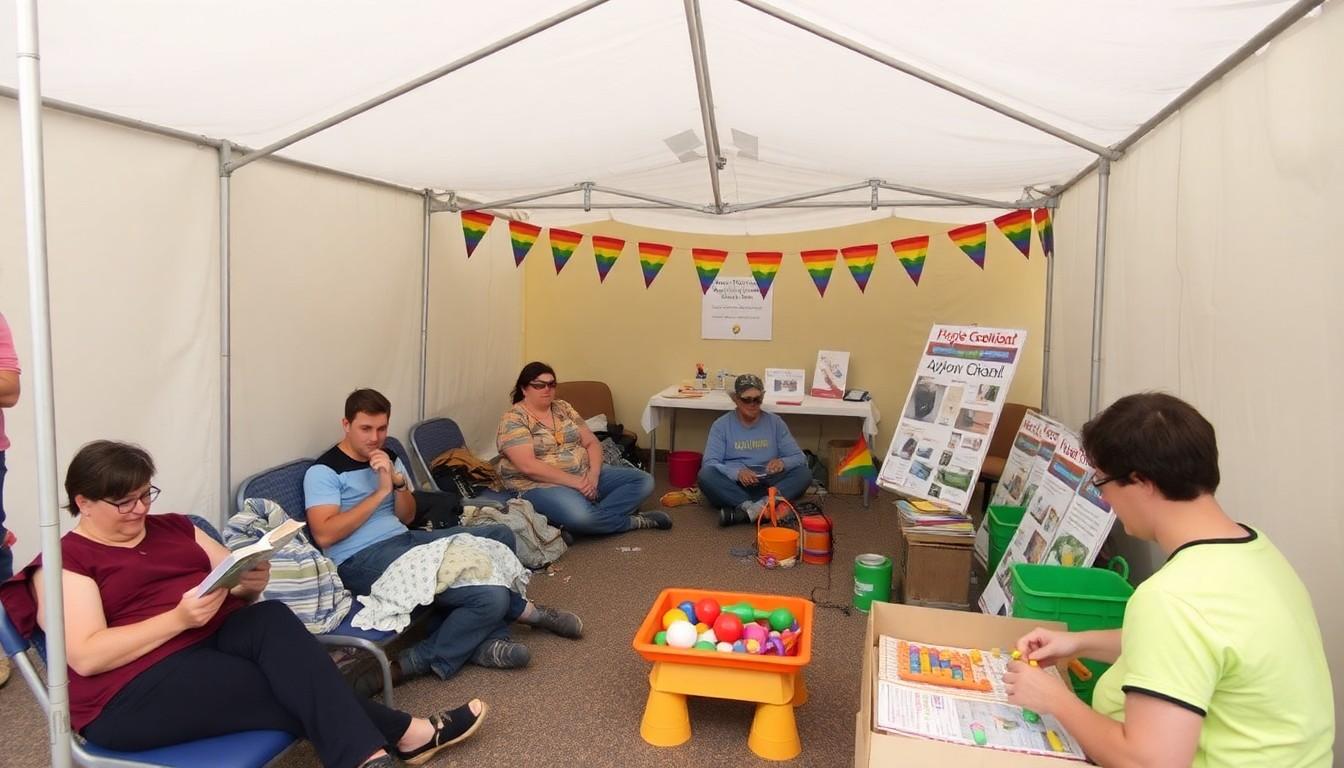
- Quiet zones and sensory tools: A calm tent with soft seating, noise-reducing headphones and fidget toys offers relief for those overwhelmed by crowds or sound.
- Affordable and virtual options: Sliding-scale tickets, free community days and live-streamed events widen participation for people on tight budgets.
- Co-design with lived experience: Involving disabled LGBTQIAP+ people in planning leads to solutions that actually work, not just well-meaning guesses.
- Clear signage and communication: Plain-language access guides, maps and pre-event info reduce anxiety and help visitors plan their day.
Why accessibility should be Pride’s default
Large, colourful festivals are supposed to be celebratory, but when the basics of access get overlooked people miss out. According to city and community Pride organisers, accessibility ranges from curb ramps to clearly signposted quiet spaces; it’s the difference between feeling included and having to leave early. Start by treating access as essential logistics, not an optional extra, and you’ll notice a calmer, friendlier atmosphere for everyone.
What a sensory break tent actually does
A sensory tent is a low-tech, high-impact fix: soft seating, dimmable lighting, low-volume music or silence, and a small selection of sensory toys. Organisers at community Prides report these spaces allow parents, neurodivergent attendees and anyone with sensory sensitivities to recharge and rejoin activities, rather than feeling excluded. If you’re planning one, keep it staffed by volunteers who understand boundaries and privacy, and include signage that explains its purpose in plain language.
Practical steps for physical accessibility
Make a checklist: step-free routes, portable ramps for stages and vendors, accessible toilets, and seating at regular intervals. Event pages should include an accessibility map and arrival tips so people can plan transport and parking. Local Pride chapters often publish access guides showing what’s available; use those templates, or contact nearby organisations for advice. And remember: accessibility isn’t only about compliance, it’s about dignity , provide spaces where people can sit, rest and be seen.
Making Pride affordable and digitally inclusive
High ticket prices and travel costs keep people away. Offer sliding-scale tickets, free community hours, and partnerships with local charities to sponsor attendees. Stream main stages and workshops for those who can’t attend in person, and caption or provide sign language interpretation for broadcasts. Virtual access isn’t a substitute for in-person changes, but it’s a lifeline for people who can’t be there physically.
Involve the community , don’t guess what they need
The most reliable way to get accessibility right is to ask people who live with the needs you’re trying to meet. Invite disabled LGBTQIAP+ community members into planning committees, run short surveys before the event, and pilot low-cost interventions like a sensory tent or labelled quiet zones. When organisers act on feedback, attendance improves and everyone benefits from smoother logistics and better communication.
Small changes with big impact
Even modest measures , a shaded bench, clear signage, a volunteer trained to assist , send a strong message that Pride is for everybody. Community groups running sensory tents and accessible hubs report that a little thought goes a long way; attendees stay longer, feel safer, and bring friends next time. If you’re heading to Pride, look for access info in advance and don’t be shy about asking organisers what support they offer.
It's a small change that can make every Pride celebration more welcoming.
Source Reference Map
Story idea inspired by: [1]
Sources by paragraph: