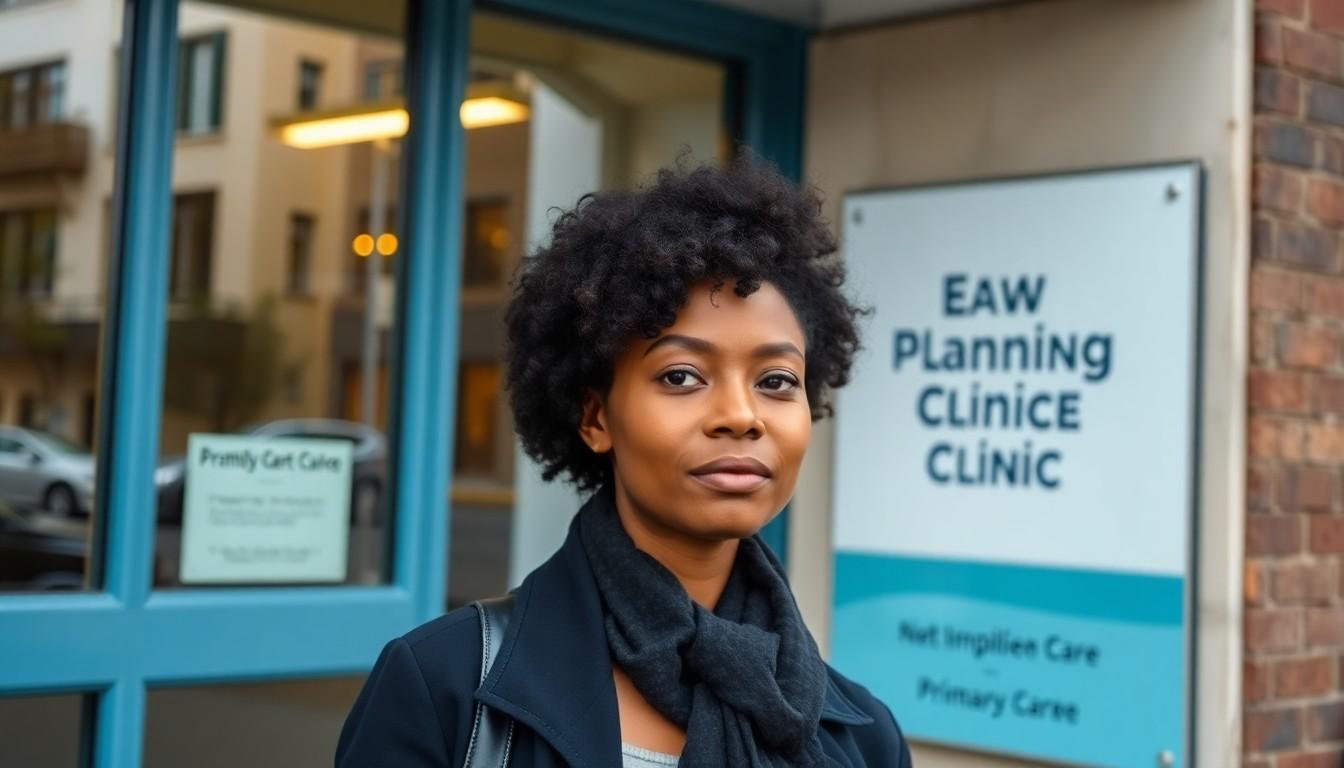
Shoppers and clinicians alike are waking up to a stubborn public‑health blind spot: cisgender Black and Brown women account for a large share of new HIV diagnoses but far fewer PrEP users. This piece explains why the gap persists, what’s working in Fulton County, and practical steps for clinicians, community leaders and women themselves to normalise PrEP as routine care.
Essential Takeaways
- Huge mismatch: Cisgender women make up about 19% of new HIV diagnoses nationally but only roughly 9% of current PrEP users, highlighting a major prevention gap.
- Barriers are human: Provider discomfort, lack of education and deep medical mistrust are leading reasons many Black and Brown women aren’t offered or don’t access PrEP.
- Three‑prong reach works: Community outreach, clinic integration and targeted social media messaging together move awareness into action, social channels are especially effective for 18–35s.
- Simple clinical fixes: Normalising sexual health questions like other routine screenings and offering PrEP in gynae and primary care settings raises uptake.
- Intentional scale: Replicating Fulton County’s progress needs provider training, representation, destigmatisation efforts and community‑led outreach.
Why the PrEP gap feels so surprising , and personal
The numbers are blunt and a little shocking: one in five new HIV diagnoses are among cisgender Black and Brown women, yet they remain underrepresented among PrEP users. That gap isn’t an accident, it’s the sum of access problems, low provider confidence and long‑standing mistrust of the medical system. You can almost feel the mismatch , women turning up for routine care where nobody asks the obvious question about sexual health, and clinicians avoiding a conversation they find awkward. Normalising sexual health like cardiovascular checks would change the tone of that room immediately.
Public health writers and clinicians have tracked similar patterns across the US, and the lived experience Jaimee Colvin describes in Atlanta makes the stats vivid: women diagnosed in their 60s, teens testing positive, and partners unknowingly transmitting HIV. It’s a reminder that prevention conversations can’t be boxed into stereotypes about who’s “at risk.”
Community, clinic and digital: what actually moves people to PrEP
Colvin’s three‑pronged approach, meet people where they are in the community, bring PrEP into clinics, and use social media for bite‑sized facts, reads like a practical playbook. Community testing at non‑clinical venues breaks down trust barriers: knock on doors, sit at parties, run testing in safe spaces. Clinics that embed PrEP conversations in gynae and primary care make it routine rather than optional. And TikTok or Instagram do the rest by putting facts in seconds‑long clips that cut through the noise.
If you’re running a local programme, prioritise all three channels. Community outreach draws people into care, clinics convert them, and social media keeps the message familiar and shareable. The synergy is what turns awareness into starts on medication.
Why provider behaviour matters more than many realise
One of the clearest takeaways is that provider discomfort is fixable and consequential. Clinicians routinely ask about blood pressure and contraception; sexual health deserves the same neutral curiosity. When providers avoid the topic, they feed stigma and reinforce mistrust. When they ask plainly, “Are you sexually active? Are you monogamous? What do you do for HIV prevention?”, it normalises the idea that protection is routine healthcare.
Training matters: simple scripts, roleplay and clear referral pathways for PrEP mean more conversations actually happen. Representation does too, patients are more likely to listen when providers or local advocates share similar backgrounds and experiences. It’s not flashy, it’s just basic bedside practice.
How social media changed the outreach game , and simple tips that work
Social channels gave Colvin reach she didn’t expect, and the lesson is practical: you have seconds to grab attention, so lead with a bold, relevant fact and then give quick, actionable steps. For example: state local risk, name where to test, and offer a direct link or clinic phone number. Use language that removes shame, PrEP is for anyone who wants to protect themselves, and show real people who use it.
For community organisers: work with micro‑influencers who are trusted locally rather than chasing big follower counts. For clinics: post short FAQs, mythbusters and appointment links. For funders: invest in social content that’s culturally tailored and tested with the audience.
Scaling beyond Fulton County: what infrastructure and attitude changes are required
Scaling this model needs intention, the kind Colvin emphasises. That means provider education programmes that address both clinical knowledge and personal bias, funded community outreach, and mechanisms that make PrEP accessible in routine clinics and pharmacies. It also means tackling structural issues, transport, clinic hours, cost transparency and confidentiality, that disproportionately affect Black and Brown women.
Start small and measurable: train a cohort of local clinicians, run outreach nights in familiar venues, and launch a mirrored social campaign. Measure month‑on‑month testing and PrEP starts, iterate fast, and keep the messaging human: “This is about protecting you and your loved ones.” Over time, that intentionality changes both practice and expectation.
Closing line
It’s a small shift, ask the question, offer the option, that can reframe prevention for thousands of women.
Source Reference Map
Story idea inspired by: [1]
Sources by paragraph: