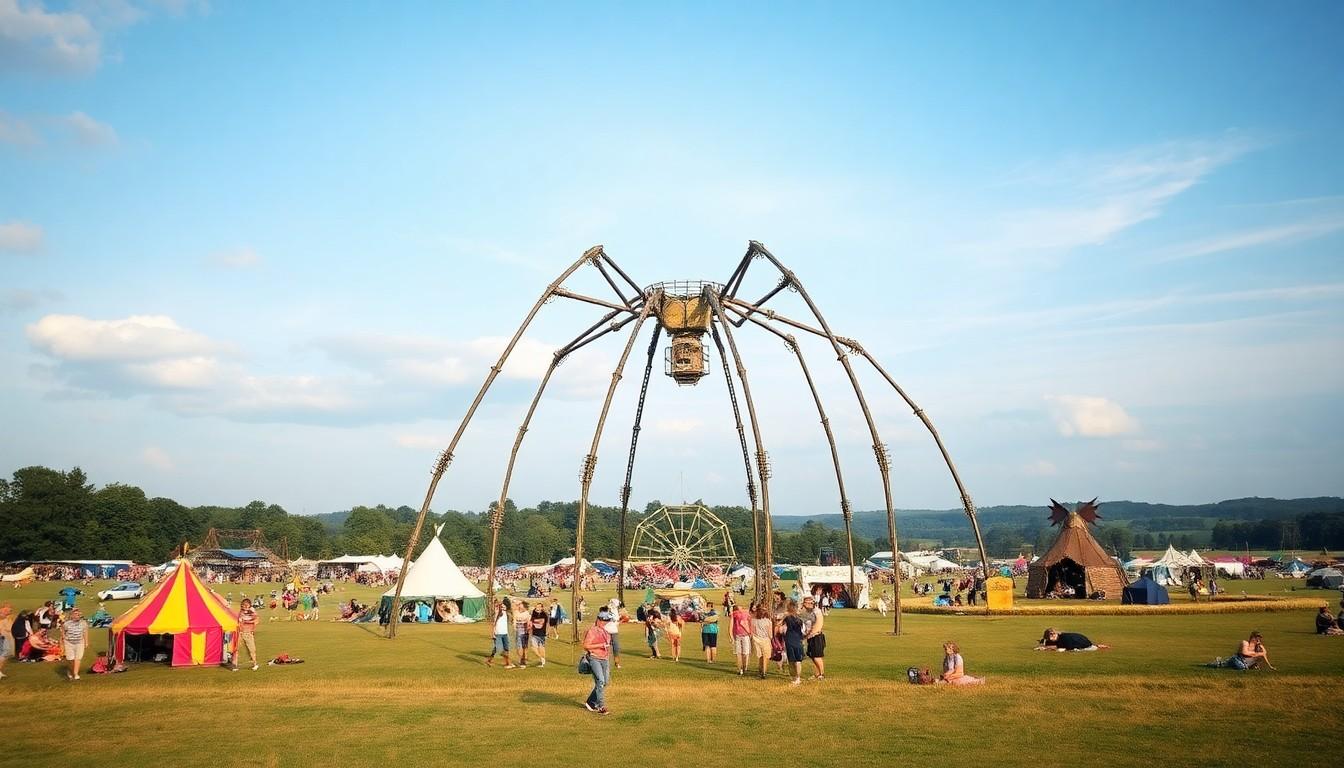
Shoppers are turning to deeper, offline encounters: new research tied to The Love Festival shows gay and bisexual men in the UK are wrestling with loneliness, dating app fatigue and body-image pressures , and many are seeking drug- and alcohol-free spaces to rebuild genuine community ahead of the Glastonbury-area retreat.
- Loneliness despite online life: Around two-thirds of respondents said they often feel lonely even while being socially connected online, signalling a gap between digital interaction and emotional fulfilment.
- App burnout is real: Two-thirds reported dating apps have made it harder to form meaningful relationships , the swipe culture leaves many feeling judged or disposable.
- Body image pressure: Over half of those surveyed said appearance-related worries get in the way of emotional intimacy.
- Demand for safe spaces: A small, consent-led retreat near Glastonbury is nearly sold out, suggesting appetite for drug- and alcohol-free events that encourage vulnerability.
Why loneliness looks different now , and why it hurts
The sharpest line from the research is paradoxical: men are more connected than ever, yet many feel lonelier. There’s a quiet, hollow sensation that comes with late-night notifications and curated profiles , the company’s there, but the contentment isn’t. Studies on dating and mental health show online platforms increase contact while sometimes reducing the quality of interactions, and that pattern appears among gay and bisexual men too. If you’ve ever scrolled and felt smaller afterwards, you’re not imagining it.
Dating apps: convenience traded for connection?
Dating apps have revolutionised how people meet, but they’ve also normalised quick judgements and disposable interactions. Two-thirds saying apps made relationships harder is a blunt verdict. Researchers have noted that while apps can expand options, they often foster performance culture and surface-level validation. Practically, try setting limits , a couple of app-free evenings a week, or swapping swipes for real-world meetups when possible , to see whether your sense of connection improves.
Body image and intimacy , the unspoken friction
More than half of survey participants reported appearance-related pressures affecting their emotional life. That pressure’s not only about mirrors or selfies; it’s about feeling seen and accepted. Therapists and community workers often recommend small, regular practices to counteract shame , journalling one thing you appreciate about your body, gentle movement that feels good rather than punitive, or group spaces where appearance simply isn’t the currency. These approaches don’t erase cultural pressures, but they blunt their bite.
What spaces like The Love Festival are offering , and who they suit
The Love Festival, held on seven acres near Glastonbury in a drug- and alcohol-free setting, has been presented as a response: capped numbers, consent-led activities and programming that prioritises breathwork, tantra, movement and facilitated group work. Organisers say the aim is to foster authentic relationships away from nightlife and apps. For many participants this format offers a softer, more intentional route to intimacy; for others it will feel unfamiliar. If you’re curious, check activity descriptions, ask about facilitation styles, and remember participation is optional , you can observe before you take part.
Practical tips for rebuilding connection without pressure
Start small and practical. Swap one late-night scrolling session for a walk with a friend, try voice calls instead of texts, and join interest-based groups where conversation grows around shared activities rather than attraction alone. If you’re app-using, be deliberate: reduce inbox time, state what you’re looking for in your profile, and block or mute interactions that feel degrading. When you try group events, look for clear consent policies and trained facilitators; they make vulnerability safer.
It's a small change that can make every connection feel more human.
Source Reference Map
Story idea inspired by: [1]
Sources by paragraph: