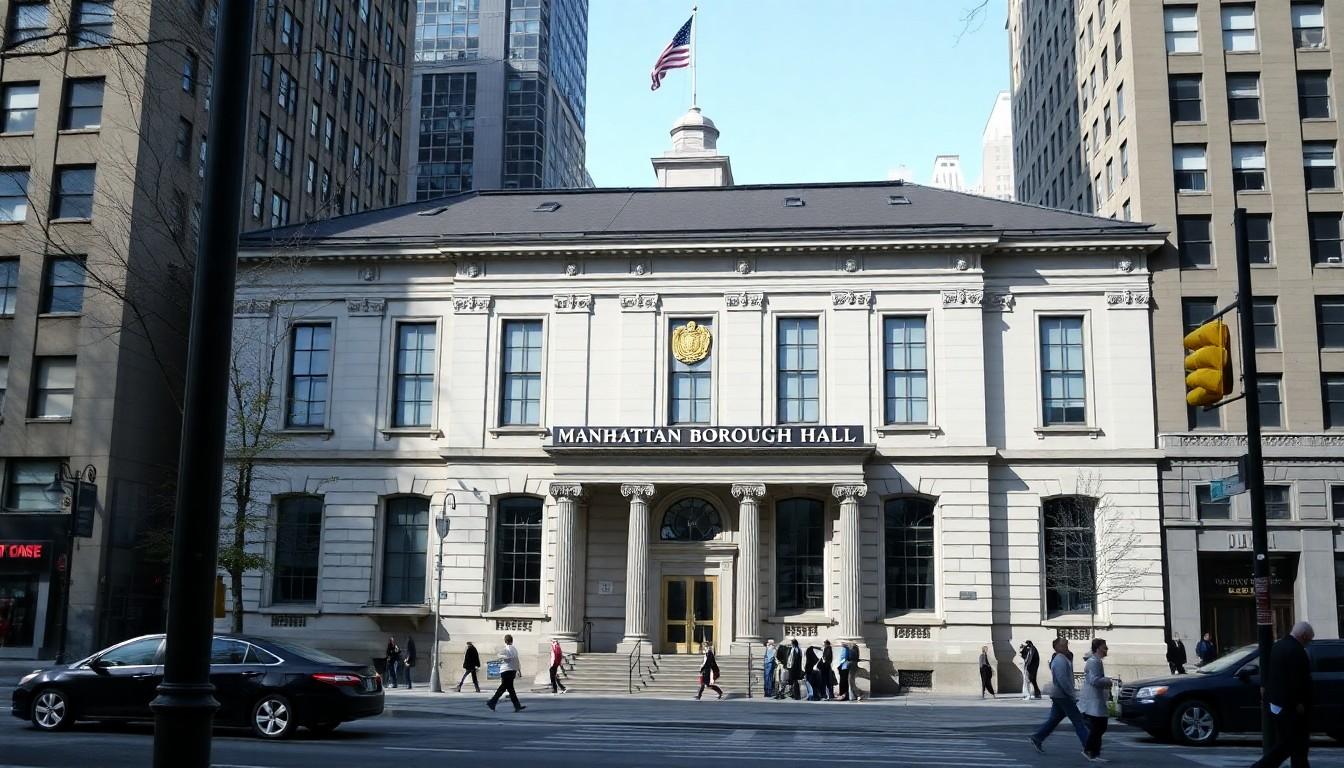
Shoppers are turning to memory as a form of justice: Manhattan’s borough president has urged Mayor Zohran Mamdani to formally recognise Eve Adams’s 1926 conviction and deportation, a case that links LGBTQ+ history, immigration and antisemitism and matters for how the city remembers its past.
Essential takeaways
- Historic injustice: Eve Adams was arrested in Greenwich Village in 1926 for “disorderly conduct” and obscenity linked to her book Lesbian Love, then deported.
- Tragic arc: After exile she lived in Paris and was later detained at Drancy and murdered at Auschwitz.
- Local effort: Manhattan Borough President Brad Hoylman‑Sigal has asked Mayor Mamdani to issue a formal acknowledgement that the conviction was unjust.
- Living memorials: The NYC LGBT Historic Sites Project leads tours and held a vigil at the former tearoom site , now La Lanterna , to mark the arrest’s centenary.
- Why it matters: Formal recognition ties police entrapment, anti‑LGBTQ policing and anti‑Jewish violence together, shaping how the city tells its own history.
A century-old arrest that still stings
Eve Adams’s story lands with an immediate emotional weight: she ran a small tearoom in Greenwich Village where lesbian women could gather, and the place smelled of coffee, conversation and something braver than its décor. In 1926 an undercover officer entrapped her, prosecutors used a copy of her book as “obscenity” and she was jailed then deported , an outcome that would lead, ultimately, to her death in Auschwitz. The drama of those facts helps explain why activists and historians are pressing the city to say this was wrong.
Historical context matters: this wasn’t a simple police stop but part of broader moral policing and Red Scare surveillance that targeted leftists, radicals and people who visibly flouted gender norms. That’s the throughline historians emphasise when they talk about Adams: she wore men’s clothing, published daring work and was politically active, which made her an obvious target in that era.
From tearoom to touring route: how the city remembers
The NYC LGBT Historic Sites Project has made Eve Adams a touchstone on its walking tours, pausing where her tearoom stood so visitors can picture a different New York , quieter streets, furtive smiles, a place that offered refuge. Standing outside La Lanterna, people often react with surprise and sorrow; those small physical anchors make history feel immediate.
Village preservation groups have also documented other lesbian spaces across the neighbourhood, suggesting Eve’s Hangout was one of a constellation of meeting places that were quietly essential. Those maps and tours help ordinary New Yorkers understand the scale of queer life before it was permitted to be public.
Why a formal apology or acknowledgement matters
An official declaration from the mayor or an apology from the NYPD would be more than symbolic; it would be a civic admission that law enforcement and municipal systems once colluded in persecution. In 2019 the NYPD apologised for the raid on the Stonewall Inn, and advocates point to that precedent as a model for Adams’s case.
Practical benefits of recognition include better public education, inclusion in school curricula or plaques that explain context rather than simply name places. For descendants, survivors’ communities and neighbours, it’s also an ethical act: admitting harm helps prevent repetition.
How activists turned a forgotten life into civic action
The push for recognition came from grassroots history work. The NYC LGBT Historic Sites Project helped prompt Manhattan’s borough president to write to Mayor Mamdani on the centenary of the arrest, and vigils and performances have gathered people where the tearoom once stood. These actions show how local research, storytelling and community pressure can nudge government to face uncomfortable parts of the past.
And there’s a practical angle for politicians: acknowledging this story is low‑cost but high‑visibility, signalling a commitment to immigrant, Jewish and LGBTQ communities that have long asked to be seen.
What to look for next , and what you can do
The mayor’s office says it’s reviewing the request, and community groups will keep the pressure on with events and educational material. If you want to get involved, join a local tour, attend vigils or support archival projects that preserve queer and immigrant histories.
Small acts help, too: when you walk by La Lanterna, pause and imagine the tearoom, or read Katz’s work on Adams. Public memory is built from many tiny moments of recognition.
It's a small change that can make every remembrance truer.
Source Reference Map
Story idea inspired by: [1]
Sources by paragraph: