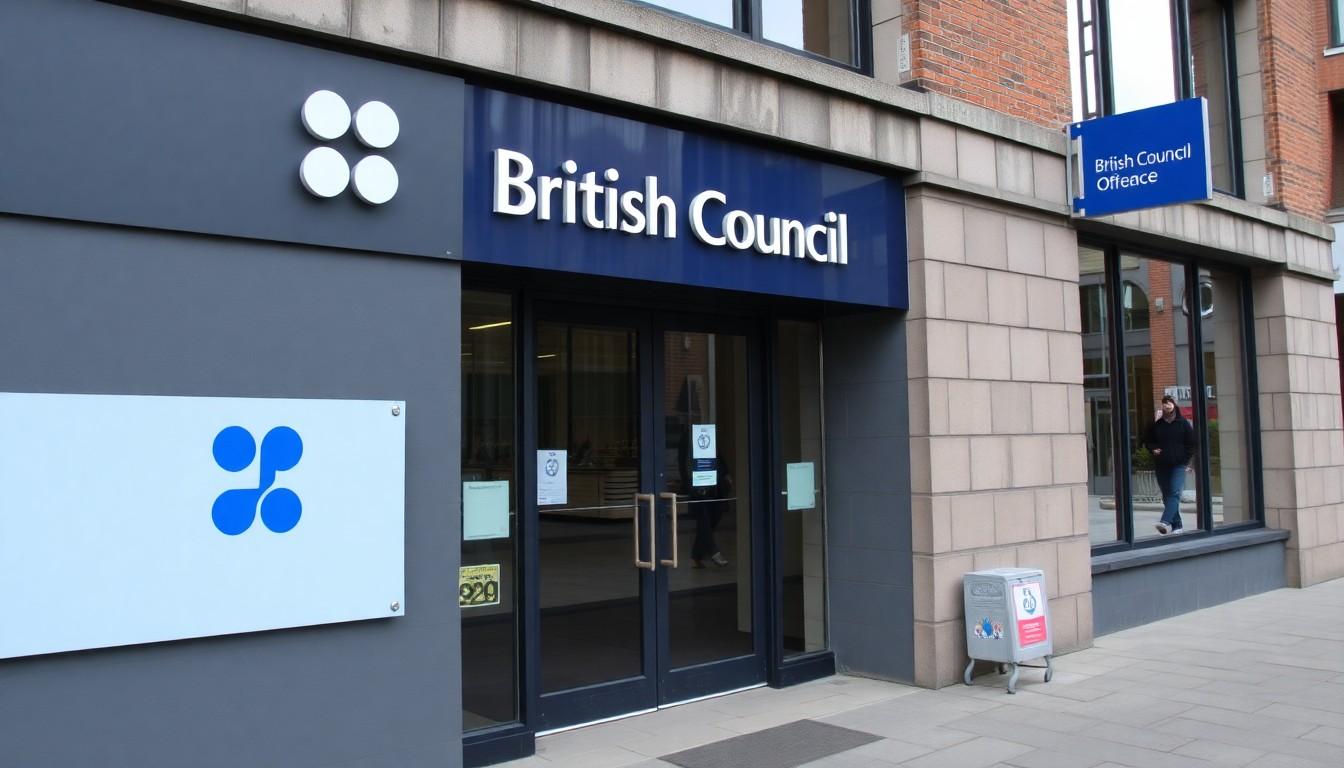
Shoppers and culture-lovers are spotting a slick example of soft diplomacy: the British Council paid £3,294 to send a Belfast drag performer and a Pride trustee to São Paulo’s enormous Pride parade, a small spend aimed at big cultural and networking returns for UK and Northern Ireland arts and LGBTQ+ work.
Essential Takeaways
- Who travelled: Belfast drag artist Adam Renshaw (aka Rusty Hinges) and Grainne Gibson, a trustee of Belfast Pride, represented Northern Ireland at São Paulo Pride.
- Cost and scale: Flights and accommodation for the two cost £3,294; the wider UK delegation cost the British Council £12,880 in total.
- Why it matters: The British Council frames the trip as cultural diplomacy to build ties with Brazil and support LGBTQ+ cultural exchange.
- Event reach: São Paulo Pride is one of the world’s largest Pride events, drawing millions and offering huge visibility.
- Local context: Belfast Pride is a registered charity with recent annual income around £159,000, so this was partnership rather than direct charity funding.
Why the British Council paid for Pride performers , and why you should care
The strongest fact here is simple: a public body sponsored by the Foreign Office funded cultural representatives from Northern Ireland to appear at one of the world’s biggest Pride events. The British Council told the press the trip forms part of a season of work to deepen cultural ties and foster trust between the UK and Brazil. Think of it as soft power: programmes that spend modest sums but aim for long-term relationships, cultural exchange and profile-raising abroad.
This kind of activity is common in arts diplomacy. According to the organisation’s own descriptions, their remit includes promoting UK creativity and building networks. For local artists and organisers, the practical upside is access to international audiences, new collaborators and insight into how services and festivals operate elsewhere.
What happened in São Paulo and what delegates gained
São Paulo’s Pride parade is famously colourful and crowded , a sensory onslaught in the best possible way. Delegates from the UK joined a nine-strong UK contingent, took part in festival programming and saw how Brazil stages community outreach and celebration on a huge scale.
For performers like Renshaw and organisers like Gibson, the trip is both a performance opportunity and a learning trip. They’ve said it’s a chance to soak up culture, music and event delivery methods, and to build links that might bring future exchanges or tours. For Belfast Pride, that kind of networking can translate into ideas for community services and festival programming back home.
The money: small line item, wider returns , and questions it raises
The headline figure for the two travellers , £3,294 , is modest in the scheme of public cultural spending, and the full UK delegation cost £12,880. The British Council pointed to these trips as investments: connecting artists and organisations, boosting the UK’s cultural profile and supporting inclusion work.
Still, spending public funds on overseas travel attracts scrutiny, especially when local constituencies question priorities. That’s a fair conversation to have , taxpayers may want assurance of clear outcomes , but it’s also true that cultural diplomacy rarely produces instant, measurable returns. Its benefits often accrue slowly via partnerships, exchange projects and shared programming.
How this fits into wider cultural diplomacy and LGBTQ+ exchange
Cultural exchange with high-profile global events is a trend: nations send artists and organisers to festivals to create long-term relationships, not just one-off appearances. According to the British Council, the season aims to deepen ties between Northern Ireland and Brazil and to foster LGBTQ+ organisational links.
For LGBTQ+ groups, these exchanges can be especially valuable. They offer a chance to compare community services and advocacy models, learn event logistics at a massive scale, and bring back ideas that improve inclusivity and reach. From an arts perspective, performers get visibility and potential career momentum.
Practical tips if you’re curious or sceptical about similar funding
If you want to judge these trips on their merits, ask for outcomes: will there be follow-up projects, shared programming, training sessions or published learnings? Local charities and festival trustees should be ready to turn such visits into concrete plans. And for artists, think about what you can learn and return , new contacts, touring opportunities or collaborative projects.
For taxpayers, look for transparency: clear objectives, post-trip reporting and evidence of community benefit. For festival-goers, watch for fresh events or collaborations inspired by the exchange , that’s where the public payoff often shows up.
It's a small public investment aimed at big cultural conversation and future collaborations.
Source Reference Map
Story idea inspired by: [1]
Sources by paragraph: