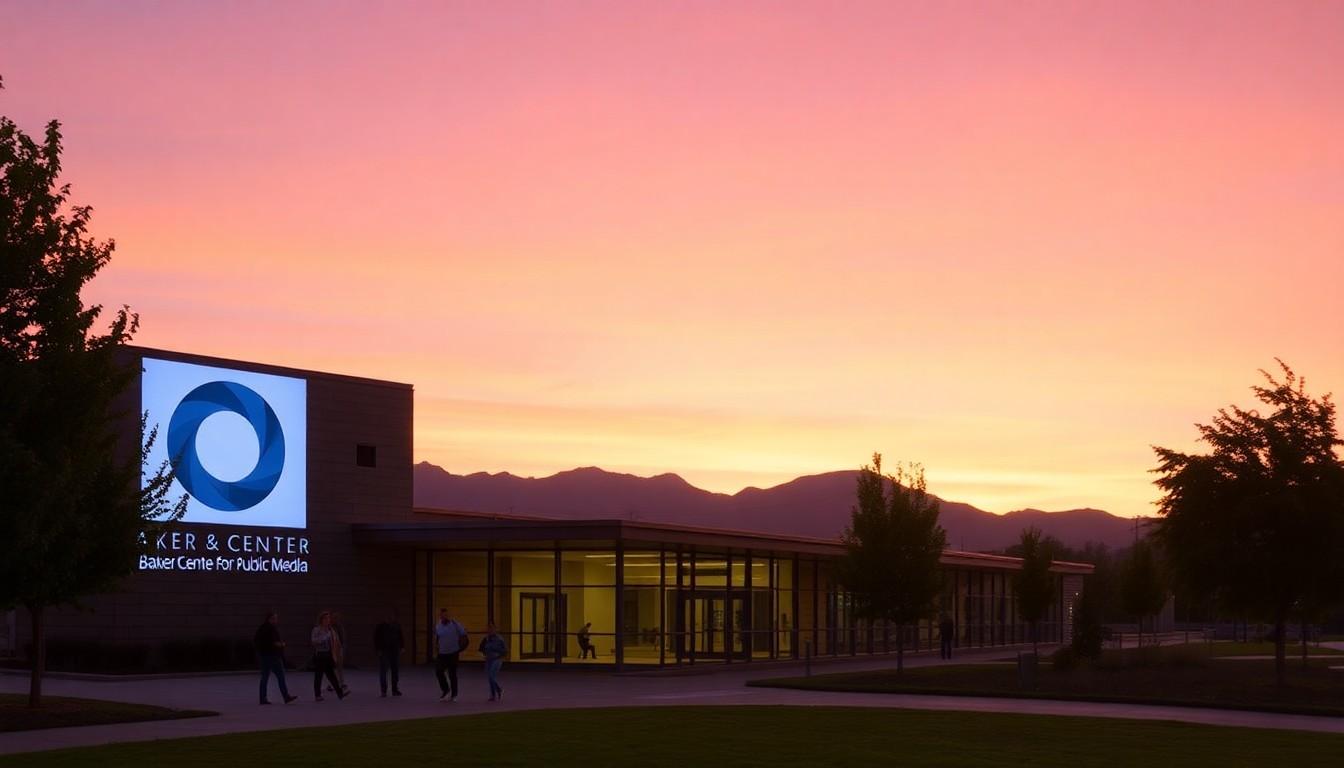
Catch a free screening of Never Too Late? in Tucson , AZPM is bringing Stephanie Haskins’ extraordinary story to the Baker Center on June 30, inviting the community to watch, reflect, and join a post-film panel about transgender visibility, ageing, dignity and allyship.
Essential Takeaways
- What: Free screening of the documentary Never Too Late? centred on Stephanie Haskins’ gender confirmation journey.
- When and where: Tuesday, June 30 at 6:30pm, Baker Center for Public Media, 2865 S. Catalyst Dr., Tucson.
- After the film: A community panel with activists and local voices to discuss themes and local support.
- Tone and feel: Intimate, moving, and dignified , the film foregrounds a late-in-life transition with warmth and honesty.
- Practical: Registration is free via azpm.org/pride; arrive early for seating and to connect with local groups.
Why this screening matters , a human story at the heart of Pride Month
This screening isn’t just about cinema, it’s about listening. The documentary follows Stephanie Haskins, who underwent gender confirmation surgery in her seventies, and that quiet bravery reframes how we think about identity across a lifetime. The film’s close-up, personal approach makes the themes feel immediate , you’ll notice the small gestures, the relief, the awkwardness and the joy on screen.
What to expect from the film , intimate, reflective, and unflinching
Never Too Late? leans into intimate moments rather than spectacle, so expect a thoughtful, low-key pace that rewards attention. Viewers often say they leave feeling both moved and more informed; the story resists easy answers and instead offers a portrait of dignity. If you’re new to trans narratives, this is a gentle but honest introduction that centres personhood over politics.
The post-screening panel , local voices, actionable conversations
AZPM will host a panel after the film; community activists and local advocates will connect the documentary’s themes to Tucson realities. That post-film discussion is where the screening becomes civic , you can hear about local resources, find ways to support trans neighbours, or simply ask practical questions in a welcoming space. Panels like this help translate empathy into understanding and action.
Who should go , allies, family, curious neighbours
This event is for anyone who wants to better understand lived experience , partners, family members, allies, students, and health or social-care professionals. It’s especially useful for people who want concrete next steps: where to find support, what respectful language looks like, and why visibility at every age matters. Bring someone who might learn from Stephanie’s story; shared viewing often sparks good conversation.
How to make the most of the evening , a few simple tips
Register ahead at azpm.org/pride so you don’t miss out and aim to arrive a little early to grab a seat and chat with display tables or volunteers. If you plan to join the discussion, jot down a question or two; these panels are richer when the audience participates. Finally, treat the evening as both a cultural experience and a community-building moment , leave with a brochure, a connection, or a new perspective.
It’s a small outing that can shift the way you picture ageing, courage and acceptance.
Source Reference Map
Story idea inspired by: [1]
Sources by paragraph: