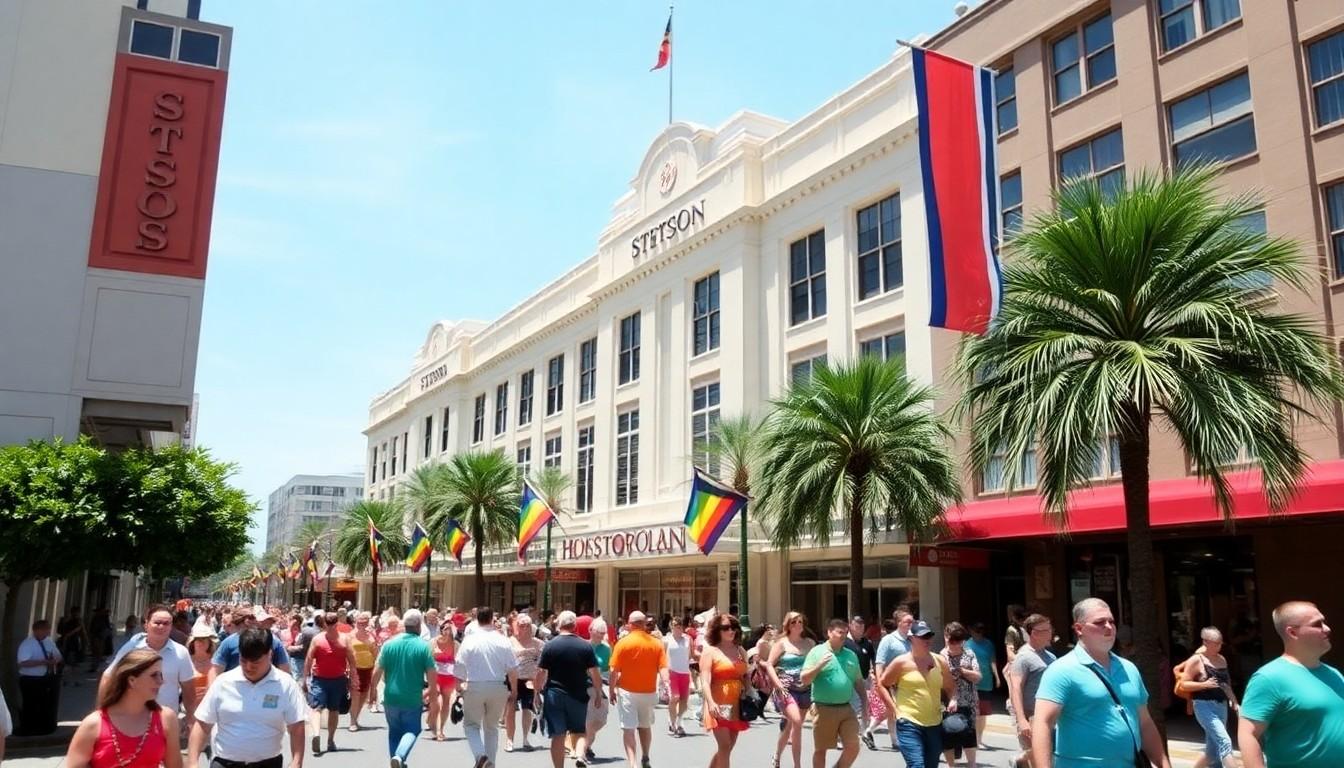
Expect crowds, colour, and sunshine , St. Pete Pride returns late June with weeks of events culminating in a weekend festival and one of the Southeast’s biggest Pride parades; here’s what attendees should know about transport, highlights, and making the most of the “Here Comes the Sun” celebrations.
Essential Takeaways
- Huge turnout: Organisers expect about 300,000 people for parade weekend, so plan for crowds and arrive early.
- Key dates: Parade day is Saturday 27 June with Trans March at 5pm and the main parade at 6pm; Street Fair follows Sunday 28 June noon–5pm.
- Route and hubs: Parade begins at Albert Whitted Park, moves along Bayshore Drive, and finishes at Vinoy Park , North and South Straub parks host parade-day activities.
- Transport tips: Free parking and shuttle service run from St. Petersburg High School and Tropicana Field lots; expect limited street parking near the route.
- What to expect: Live music, local performers, 100+ vendors, family-friendly events, food stalls, and a visible, celebratory vibe.
Why St. Pete Pride feels like summer in full swing
St. Pete Pride has grown into a huge, sun-drenched street party where colour and community meet the waterfront. The theme this year, "Here Comes the Sun," aims to capture that bright, inclusive energy , think loud samba of drag, local bands, and lots of glitter under blue skies. Organisers and residents treat it as a highlight of the summer calendar, so the atmosphere is celebratory and a little electric.
Backstory: the festival spans several weeks of lead-up events before a busy parade weekend, which helps ease the pressure on a single day and gives families and allies multiple chances to take part. If you love live music or want to support grassroots stalls, come prepared to wander and linger.
Parade day essentials: times, route and what to bring
Parade day action starts at 2pm at North and South Straub parks with stages, vendors and entertainment that run into the evening. The Trans March sets a purposeful tone at 5pm and the main parade marches off at 6pm from Albert Whitted Park along Bayshore Drive, ending at Vinoy Park , a scenic route that hugs the water and showcases floats to great effect.
Practical tip: bring sunscreen, a refillable water bottle and comfortable shoes , shade is patchy along Bayshore. If you want a good viewing spot, arrive early or scout quieter stretches of the route near side streets. Expect crowds and plan meeting points if you’re with a group.
Getting there and getting around without stress
Organisers have set up free parking at St. Petersburg High School from 11am to midnight on parade day, plus additional parking at Tropicana Field Lots 6 and 7. Free shuttle buses will ferry people from those lots to spots near the parade, which is a smart move if you’d rather avoid circling for a space.
If you prefer cycling or public transport, consider locking your bike a little further from the main route to avoid congestion, or use park-and-ride options. Rideshares will be busy before and after the parade; designate a clear pick-up point and expect delays. For families with small children, the shuttle plus a short walk tends to be the least stressful option.
Not just a parade: weeklong events and family-friendly programming
Beyond the big weekend, St. Pete Pride runs a slate of events across the city, from youth and family fun days to community-focused meet-ups and performances. The Street Fair in the Grand Central District on Sunday is a gentler way to continue the celebrations with artisan stalls, local food and community organisations on show.
If you’re attending with kids, check the youth- and family-oriented events in the official Pride guide , there are activities designed with younger attendees in mind and quieter pockets for families who want a lower-decibel experience. Bring cash for small vendors, though many take cards.
How to enjoy responsibly and respectfully
Pride is a celebration, but it’s also about visibility and safety. Follow signage, respect pedestrian zones, and listen to volunteers and event staff. If you want to take photos, be mindful of personal space, especially around marchers and performers who may prefer not to be photographed.
Look out for community booths and advocacy groups , it’s a great chance to learn, volunteer or donate. And if you’re worried about crowds, plan a quiet escape route: nearby parks and waterfront paths can offer a breather between stages.
It's a small change that can make every parade experience smoother and more joyful.
Source Reference Map
Story idea inspired by: [1]
Sources by paragraph: