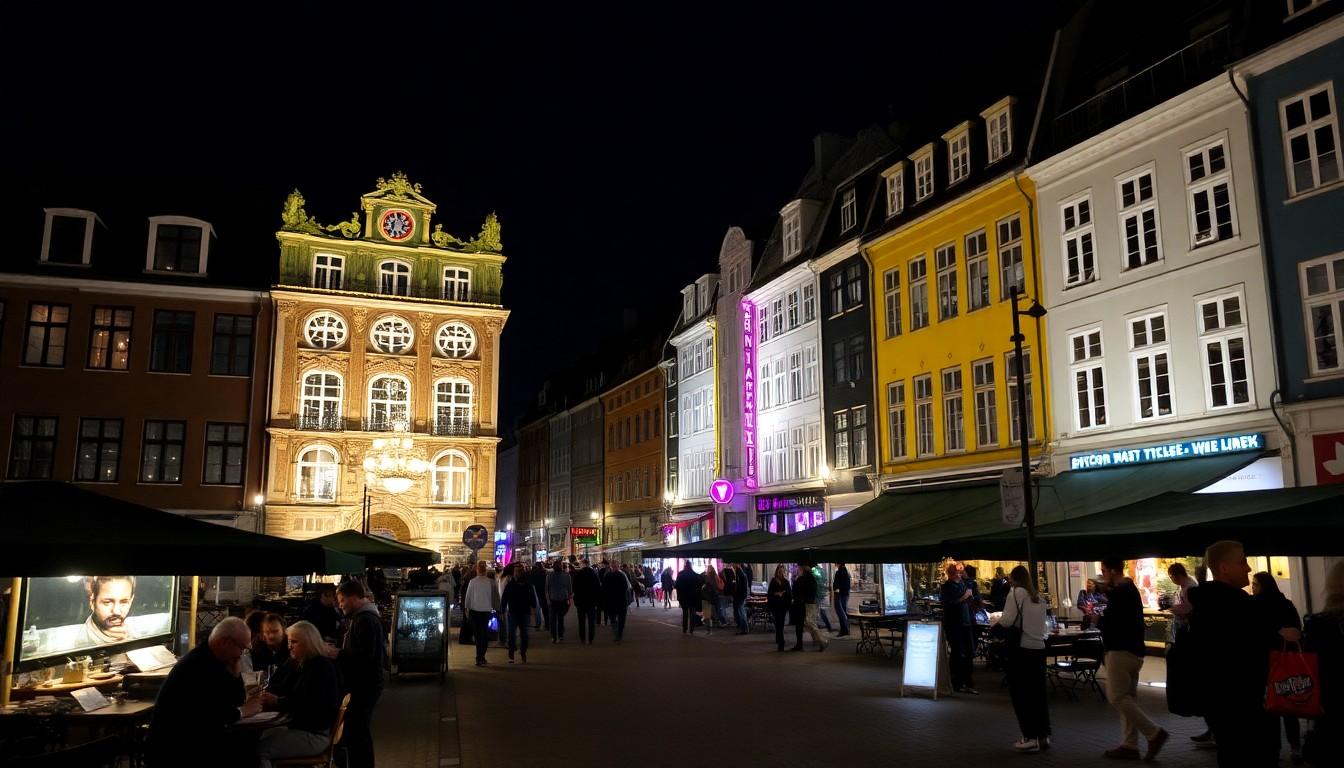
Shoppers and travellers are turning to queer districts again , searches for iconic LGBTQ+ nightlife spots have jumped, showing where people want culture, community and a good night out. From Parisian cafés to San Francisco dives, here’s where interest is growing and what it means for curious visitors.
Essential Takeaways
- Biggest growth: The Castro in San Francisco saw the sharpest year‑on‑year spike in interest, up roughly 157%, signalling renewed appetite for queer history and nightlife.
- Largest audience: Le Marais in Paris remains the most searched overall, with about 146,000 monthly searches , it’s still top of mind for culture seekers.
- Emerging picks: Vesterbro (Copenhagen) and Wilton Manors (Florida) recorded impressive gains, showing travellers are exploring beyond traditional capitals.
- Why it matters: These districts blend nightlife with culture and history, offering more than bars , think community events, independent shops and heritage sites.
- Practical tip: Check local listings and Pride calendars before you go; smaller neighbourhoods can have seasonal peaks and tucked‑away venues that reward planning.
Search spikes show nostalgia and discovery
People aren’t just hunting for a club or cocktail; they’re looking for places with a story and a vibe that feels authentic, and that shows in the data. According to a new analysis of global search demand, historic neighbourhoods with deep LGBTQ+ roots are enjoying a second wind online. The Castro’s big jump speaks to interest in queer heritage as much as nightlife. If you want history with your night out, plan a walking route that mixes memorials and museums with classic bars , the contrast is often what makes a visit memorable. Expect queues at well‑known spots, but also relish the quieter corners: that’s where many visitors say they find the neighbourhood’s true spirit.
Le Marais still rules, but new names are rising
Le Marais tops overall search volume, and it’s easy to see why: chic cafés, small galleries and convivial bars make it an accessible day‑to‑night neighbourhood. Paris’s gay quarter is a useful baseline for anyone comparing queer districts; it’s stylish, walkable and layered with history and nightlife. Meanwhile, searches for places like Vesterbro and Wilton Manors are climbing fast , travellers seem eager to widen their itineraries beyond the usual capitals. If you’re choosing a destination, decide what you want: late‑night club culture, queer history, or a relaxed café scene , different districts specialise in different moods.
The Castro’s surge is about more than tourism
San Francisco’s Castro is often described as ground zero for modern LGBTQ+ activism, and recent search growth suggests people still value that legacy. According to the report, interest jumped massively year‑on‑year, which may reflect renewed curiosity in places that shaped queer rights. For visitors, the Castro offers a mix of historic sites, community centres and lively bars , a rich combination for anyone wanting context alongside entertainment. Tip: book guided tours or local talks when you can; they add depth and often point you to smaller venues you’d otherwise miss.
Smaller neighbourhoods are having their moment
Places like Canal Street in Manchester and Wilton Manors in Florida are seeing solid increases in searches, which tells you travellers are hunting down neighbourhoods with a friendly, compact scene. These smaller districts often feel more intimate: fewer venues, more chances to meet locals, and a community atmosphere that’s easy to soak up. That intimacy can also mean venues fill up quickly, so check opening times and event calendars before you go. And because they’re less hyped, you can often discover up‑and‑coming bars and drag shows without the tourist crowds.
What travellers should watch and how to plan
Safety, respect and timing matter more than ever: neighbourhoods evolve, and local scenes shift with gentrification and new businesses. According to travel industry reporting, queer travellers are also choosing unexpected destinations, balancing bucket‑list spots with off‑beat neighbourhoods. Practical planning helps: look up local LGBTQ+ centres, Pride dates and trusted listings to avoid closures or surprises. Finally, support independent businesses when you can , cafés, bookshops and small bars are the cultural glue of these districts.
It’s a small change that can make every night out richer: pick a neighbourhood that matches the mood you want, and go curious.
Source Reference Map
Story idea inspired by: [1]
Sources by paragraph: