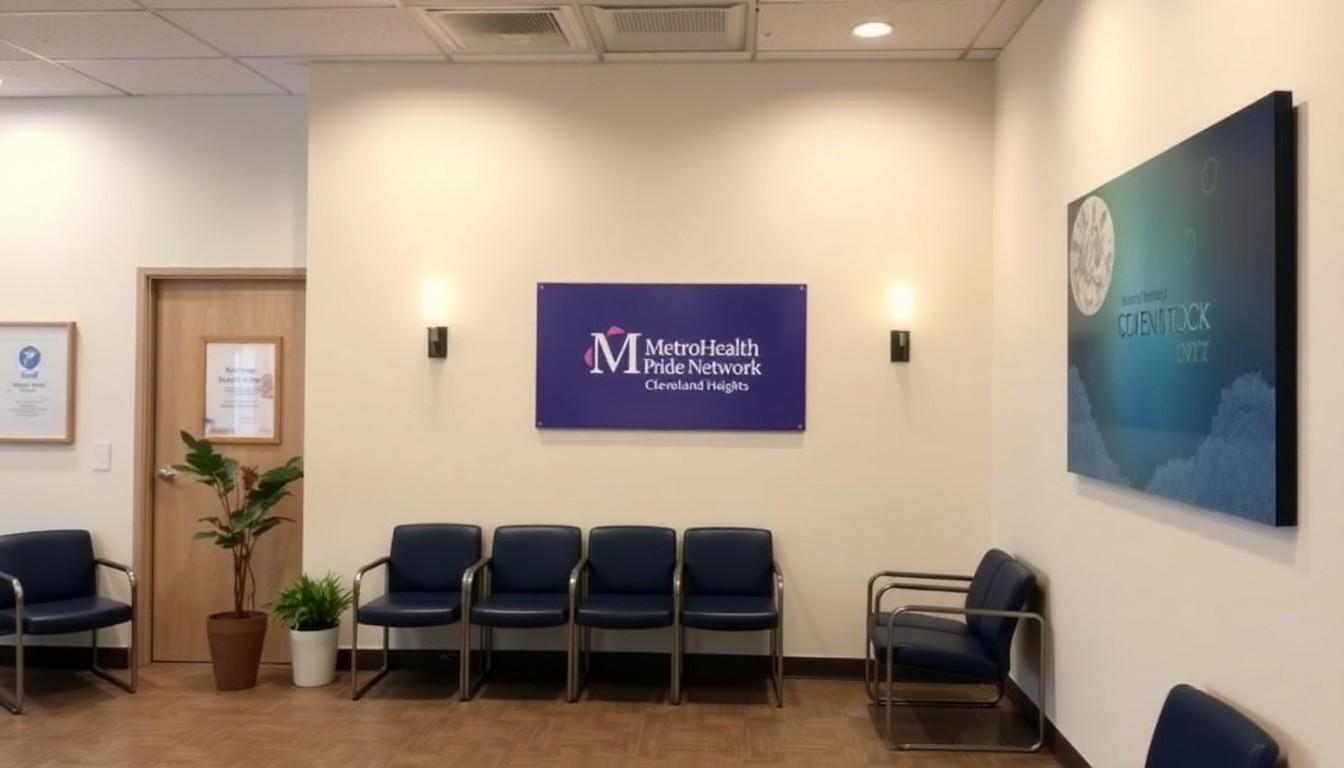
Shoppers are turning to community-focused health services as political noise and social media make life harder for LGBTQ+ Ohioans; here’s where to find affirming care, practical coping tips, and why specialist clinics like MetroHealth’s Pride Network matter now.
Essential Takeaways
- Specialist services available: MetroHealth’s Pride Network offers LGBTQ+-friendly primary care, behavioural health, and gender-affirming services across several Cleveland-area sites.
- Minority stress is real: Repeated exposure to stigma can raise anxiety, depression, and even physical risks like hypertension.
- Practical self-care works: Limiting doom‑scrolling, exercising, joining community groups and advocacy can reduce stress.
- When to seek help: Persistent low mood, disrupted daily life, or suicidal thoughts are red flags, professional support is important and urgent if these occur.
- Where to go locally: Pride Network locations include Brooklyn, Brecksville, West Park and Cleveland Heights, with referrals for LGBTQ+-trained therapists.
Why LGBTQ+-specific care feels different (and why that matters)
There’s a particular relief in walking into a clinic where staff understand the small details of your life, from names and pronouns to the pressures of social stigma. MetroHealth’s Pride Network combines primary care with behavioural health tailored for LGBTQ+ patients, which means clinicians aren’t learning about your needs on the fly. According to their programme materials, that specialised training reduces the awkwardness and minority stress many people report. For someone already exhausted by negativity in the news or on social feeds, that comforting, competent vibe can make a huge difference.
Minority stress: the hidden wear-and-tear on body and mind
The phrase “minority stress” crops up because the phenomenon is well documented: chronic exposure to prejudice and discrimination doesn’t just hurt feelings, it raises the risk of anxiety, depression and even physical issues like high blood pressure. Mental Health America and clinicians quoted in regional outlets point to how being targeted or feeling unsafe, avoiding public bathrooms, staying hyperalert, slowly eats away at wellbeing. If you find yourself on edge in everyday spaces, that’s not just resilience wearing thin; it’s a signal your nervous system is taxed.
Practical ways to protect your peace today
Small adjustments add up. Be intentional about news: pick a trustworthy local outlet such as The Buckeye Flame and schedule when you’ll check headlines rather than consuming endlessly. Limit social media sessions to avoid doom‑scrolling and swap one scrolling session for a short walk or a friend call. Get involved in advocacy or community groups, taking action often calms the body’s stress response because it gives you agency. And don’t forget exercise and sleep; they’re basic levers that help emotion regulation.
What support looks like at MetroHealth’s Pride Network
MetroHealth lays out a straightforward offer: primary care for adults and children, mental health services, and gender‑affirming care with teams trained in sexuality and gender diversity. Their behavioural health services include therapy, support groups and psychiatry, and they can refer patients to community therapists when needed. For families or young people, the network also highlights paediatric care that understands the nuances of growing up LGBTQ+. If you’re in the Cleveland area, booking is as simple as phoning 216-My-Metro or using their online system.
When to seek professional help, and how to get it fast
If you’ve been feeling down or anxious for most days over two weeks, if your emotions interfere with work or relationships, or if you’re having thoughts about being better off dead, it’s time to reach out. Emergency services are the right call for immediate danger; MetroHealth points to its emergency departments across Main Campus, Cleveland Heights, Brecksville and Parma. Otherwise, contact an LGBTQ+-competent therapist or the Pride Network for ongoing support. Therapists who share lived experience with LGBTQ+ clients can be particularly validating, and that validation often speeds recovery.
It's a small change to pick a provider who sees you, one that can make every appointment a place to breathe easier.
Source Reference Map
Story idea inspired by: [1]
Sources by paragraph: