Shoppers and cinephiles are celebrating a long‑brewed win: Hayley Kiyoko’s viral music‑video moment has finally become a full‑length lesbian coming‑of‑age movie, and it lands this Friday , a rare, triumphant example of queer representation getting a mainstream cinematic push.
- Origins: The film grew from Kiyoko’s 2015 “Girls Like Girls” music video, which became a queer touchstone with over 160 million views and a reputation for heartfelt, non‑sexualised romance.
- Ten years in the making: Kiyoko spent a decade developing the story, writing, directing music videos and publishing a YA novel before securing studio backing.
- Tone and feel: Expect a grounded, YA coming‑of‑age drama with an intimate, cinematic approach rather than glossy pop spectacle; the emotional beats are the selling point.
- Practical note: Fans who loved the song and video will recognise characters and beats, but the film expands the story into a fuller narrative with new stakes and nuance.
How a viral music video turned into a movie , and why that matters
The strongest fact here is obvious: a single music video sparked a movement. The original 2015 clip resonated because it presented a tender lesbian romance without fetishising it, and viewers responded with a surprising demand , make this into a film. Over time the idea grew in ambition and scale. According to CinemaBlend, fans kept asking for a feature and Kiyoko kept returning to the story, eventually deciding she wanted to direct. That momentum matters because it illustrates how grassroots enthusiasm can push studios to green‑light underrepresented stories.
Why it took a decade , funding, trust and the uphill climb
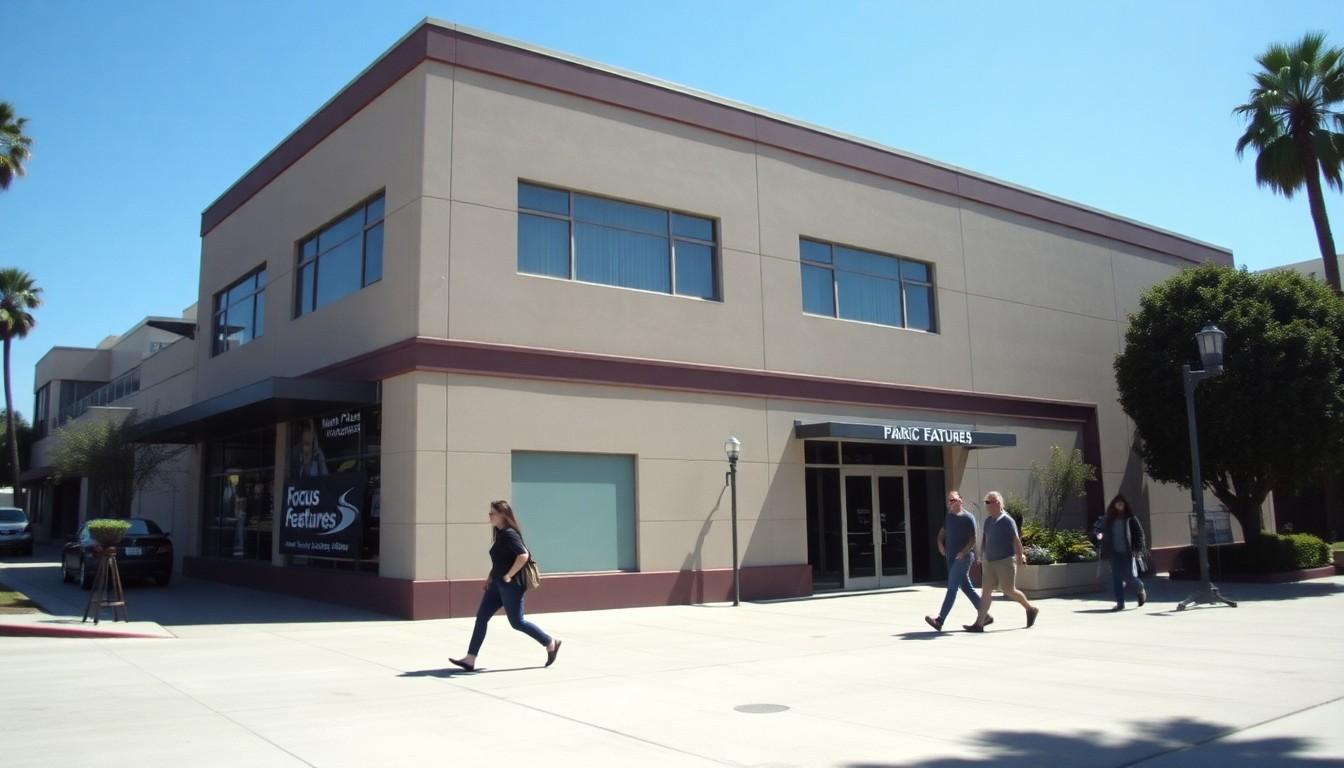
Ten years sounds like a long time, but the industry reasons are familiar: development, financing and convincing producers you’re the right person to lead the project. Kiyoko has said she never intended to hand the director’s chair to someone else, but as a first‑time feature director and a woman of colour she faced the usual hurdles in getting backing. The breakthrough came when Focus Features and producer Marc Platt signed on, showing how the right partners can change the conversation and get a risky, needed film into cinemas.
From song to novel to screenplay , the route Kiyoko took
When a concept has been simmering for years, creators often try different channels. Kiyoko adapted the material into a YA novel that reached No.1 on the New York Times bestseller list, which likely helped demonstrate commercial interest and narrative scope. She also honed her directing craft across multiple music videos, a practical apprenticeship that signalled readiness to helm a feature. For anyone trying a similar path, it’s a reminder: build proof of concept, show you can steward the IP, and don’t be afraid to pivot into nearby formats.
What viewers can expect , tone, representation and audience reaction
This isn’t a glossy pop‑promo stretched to movie length; it’s been described as a grounded coming‑of‑age drama that centres sapphic characters in ways we don’t often see on studio‑backed screens. That’s the emotional core: representation that gives young lesbian characters complexity, not novelty. Fans who’ve watched the original video for years will feel recognition and, likely, relief. Industry observers hope the film’s success encourages studios to back more queer stories with authentic creative leads.
The wider trend , more room for sapphic stories?
There’s been a slow but perceptible shift: streaming and indie labels have opened space for LGBTQ+ work, and when mainstream studios see an audience, doors crack open wider. Kiyoko’s film is part of that push , a commercially visible example that such stories can be both heartfelt and bankable. If it performs well, expect producers to take notes about attaching original creators and investing in authentic voices.
It's a small but significant step: buy a ticket, bring a friend, and celebrate a story that spent a decade getting the love it deserved.
Source Reference Map
Story idea inspired by: [1]
Sources by paragraph: