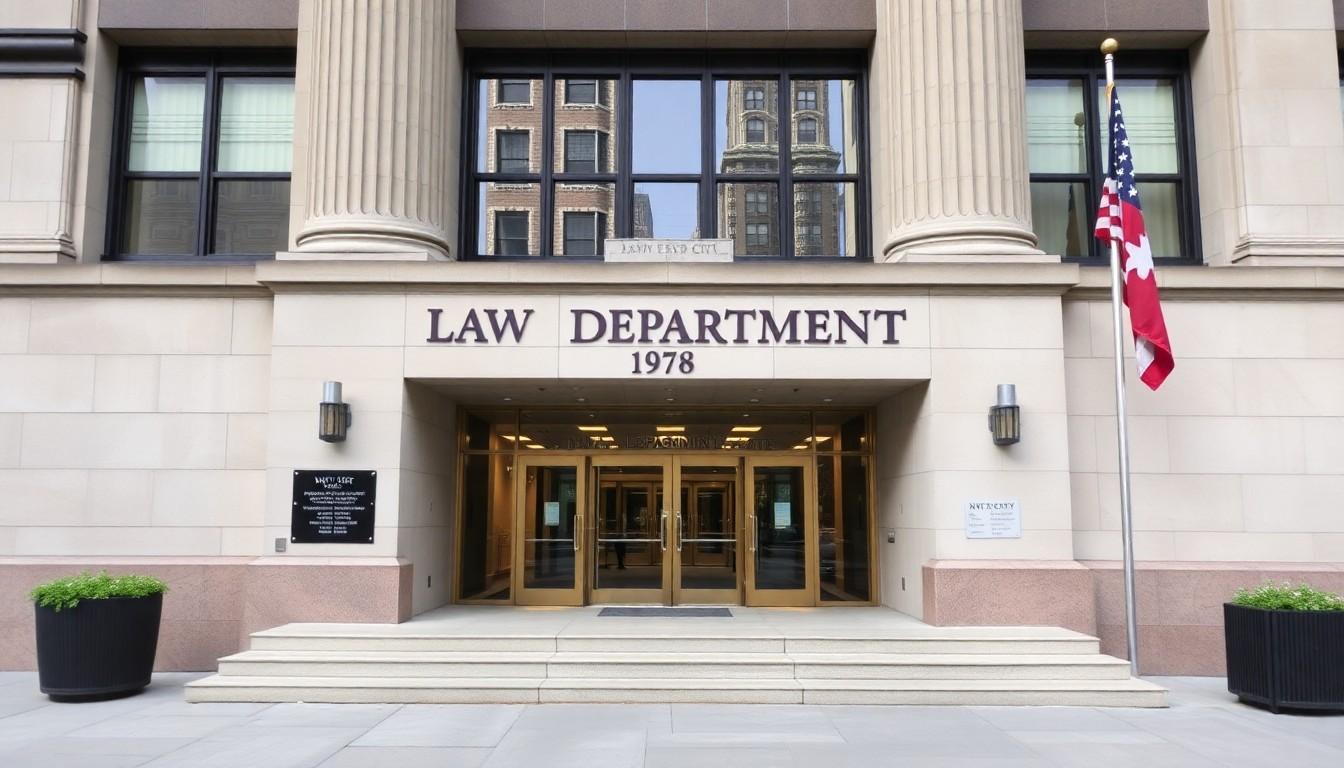
Shoppers are turning to legal briefs as a shield , New York City has filed an amicus brief supporting trans patients after the Justice Department sought minors’ gender-affirming care records from NYU Langone, a move that matters because it raises privacy, safety and broader questions about government reach into medical data.
Essential Takeaways
- City steps in: New York City’s Law Department filed an amicus brief backing trans patients who want to block DOJ subpoenas for NYU Langone records, arguing for privacy and dignity.
- Scope of request: The subpoena sought names, provider details, and coding practices for gender‑affirming procedures, which could expose vulnerable minors.
- Legal pushback nationwide: Federal judges in Rhode Island, Maryland and California have recently blocked similar DOJ efforts, signalling judicial resistance.
- Emotional stakes: City attorneys warned that forced disclosure produces a “profound and visceral” sense of violation for patients.
- Practical risk: Advocates say handing over records could fuel political attacks and endanger young people who have sought care.
Why New York City filed an amicus brief , and what it feels like on the ground
Mayor Zohran Mamdani’s post on X captured the emotional core: medical decisions belong to patients, not the state. That line matters because this isn’t just a legal technicality , it’s about whether families and young people can seek care without fearing exposure. The Law Department’s brief joins arguments from the ACLU, NYCLU and Lambda Legal asking a court to bar the Justice Department from demanding identifying information about trans minors treated at NYU Langone.
This reaction follows rallies and public pressure in New York, where advocates argued that divulging records would deepen harm to an already targeted group. If you can imagine the chilling effect, think of clinics slowing referrals, parents hesitating to seek care, and teenagers losing access to trusted providers.
What the DOJ wanted and why advocates object
The subpoena from the U.S. Attorney’s Office in the Northern District of Texas asked for names, information about medical providers, and even whether gender-affirming care is coded under non‑specific procedure names. That last point sounds arcane, but it’s practical: coding choices protect patient identity and the nature of treatment in billing and records systems.
Advocates warn that revealing coding methods or patient lists could be weaponised by opponents of gender‑affirming care. They point to a broader pattern: the federal requests come amid a political campaign to restrict and criminalise trans youth care, so these records could be used beyond routine law‑enforcement purposes.
How courts have already pushed back elsewhere
Judges across the country have started to block similar subpoenas. A federal judge in Rhode Island quashed a DOJ attempt, and courts in Maryland and California have issued blocks or quashes in related cases. Those rulings suggest a patchwork of judicial skepticism about the government’s sweep when medical privacy is at stake.
Legal observers note that health privacy laws and medical‑records protections are central to these decisions. The cases so far show judges weighing individual privacy and public‑health consequences against the government’s investigative needs , and in several instances siding with patients.
Choosing privacy protections: what hospitals and families can do now
Hospitals can resist overbroad requests, fight in court, and tighten internal coding practices to avoid inadvertently revealing sensitive treatments. For parents and patients, the practical steps are straightforward: keep copies of consent forms, know your clinic’s privacy policy, and ask how records are coded and who has access.
If you’re a clinician, double‑check release protocols and consult counsel before complying with national subpoenas. If you’re a family, organisations like the ACLU and Lambda Legal are already providing resources and representation in some cases.
What this all means going forward
The New York brief is part of a broader civic pushback: municipalities, civil‑rights groups and sympathetic courts are becoming important bulwarks against governmental overreach into medical records. It’s both a legal and moral contest about who gets to decide what health information stays private.
At its core, this fight will shape whether vulnerable patients can access care in an environment that feels safe. For now, the trend of courts blocking the DOJ offers cautious hope , but the stakes remain high.
It's a small legal step that could make a big difference for privacy and care.
Source Reference Map
Story idea inspired by: [1]
Sources by paragraph: