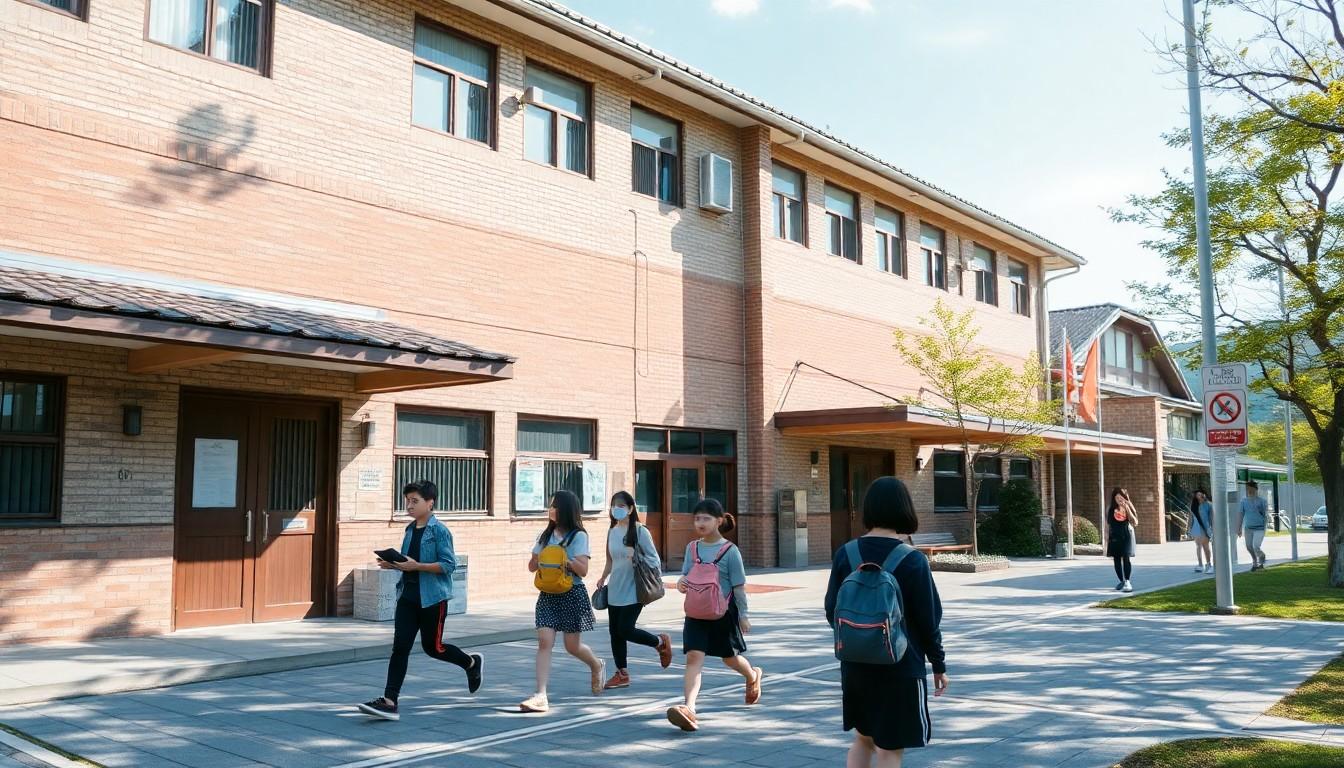
Shoppers of ideas and allies are paying attention as Japan prepares to roll out a nationwide LGBTQ+ education programme, aimed at schools, universities and public institutions to boost understanding, support young people and lay groundwork for better inclusion across the country. It matters because attitudes, resources and legal pressure are shifting , and students will feel the difference.
Essential Takeaways
- Nationwide push: The government is set to approve guidance and resources for schools, universities and public bodies to teach about sexual and gender diversity.
- Practical supports: Schools would be encouraged to expand counselling, social work access and introduce educational materials such as videos and leaflets.
- Training focus: Teacher and healthcare trainee curricula are slated for strengthening on sexuality and gender identity, so future professionals are better prepared.
- Monitoring built in: The programme includes regular surveys and a planned review every three years to measure impact and public attitudes.
- Context matters: Japan still lacks nationwide marriage equality, so education is one step among legal and social changes that activists and courts continue to push for.
Why this matters now: small classrooms, big implications
This is the first time Japan is preparing a truly nationwide educational framework specifically aimed at LGBTQ+ awareness, and you can sense the weight of that detail in quiet school corridors and lecture halls. According to local reporting, the measures follow legislation passed in 2023 that tasked authorities with promoting public awareness of LGBTQ+ issues, and the ruling party has recently backed the rollout. For young people who’ve felt isolated or invisible, clearer guidance and visible materials could feel like a tangible sign that institutions are waking up.
The timing also matters because public pressure has been building. Court rulings and local partnership certificates have nudged national debate on rights, and education often leads social change by shifting what the next generation takes for granted.
What schools and universities will actually get
Expect a practical package: downloadable leaflets, short videos for classroom use and suggested modules for teacher training. The government plans to produce materials that can be adapted for different ages, from secondary pupils to trainee nurses and teachers. Schools would also be urged to boost counselling and social work support so students have safe adults to turn to.
If you work in education, the guidance will likely be advisory rather than prescriptive, but that still gives headteachers a framework to start conversations, change policies on facilities and set up signposting for mental-health support. For parents and carers, it means schools may begin talking openly about gender identity and sexual orientation in age-appropriate ways.
Training the next generation of teachers and healthcare workers
This move recognises that sympathy without skill is limited. Programs aim to strengthen university syllabuses for future teachers and healthcare professionals so they can recognise and support LGBTQ+ people in schools and clinics. That’s useful because small actions , using correct pronouns, offering gender-neutral facilities, knowing how to refer a student for specialist help , can steady a young person’s school experience.
According to coverage from university spokespeople and staff, some institutions already run Pride events and have gender-neutral bathrooms, but the nationwide push will help standardise best practice across regions and institutions that haven’t yet acted.
Measuring success: surveys, reviews and realistic expectations
The government plans regular attitude surveys and a three-year review cycle to check whether the materials and training are having an effect. That’s sensible: cultural change takes time, and hard data can show whether awareness is translating into safer school environments and better mental-health outcomes.
Still, campaigners warn education alone won’t deliver legal equality. Japan remains the only G7 country without nationwide marriage equality, so activists are watching whether education becomes a stepping stone to broader legal protections or a token gesture that paper‑over deeper issues.
How this could look for families, teachers and students
For parents, expect conversations at termly meetings and more signposting to support services. For teachers, the guidance will likely include lesson suggestions and referral pathways for students in distress. Young LGBTQ+ people may find it easier to identify allies at school and access counselling without fear of dismissal.
If you’re a school leader, start by auditing your current pastoral services and consider simple steps now: ensure staff receive basic awareness training, add clear information on where to get help in your school handbook, and label gender-neutral facilities where possible. Small, visible moves make a big difference.
It's a small change that can make every school feel like a slightly safer place.
Source Reference Map
Story idea inspired by: [1]
Sources by paragraph: