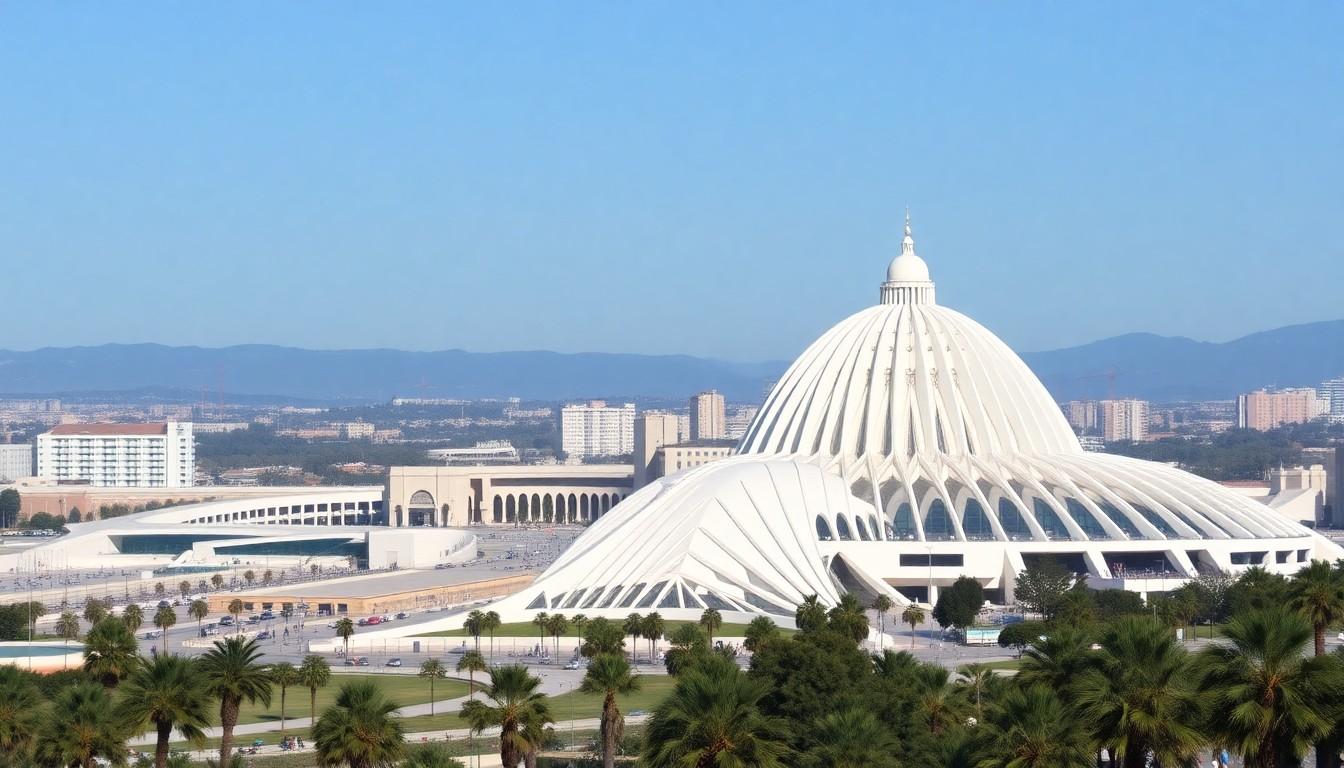
Shoppers are turning their suitcases into flags , thousands of LGBTQ athletes and supporters are heading to Valencia, Spain, for the 12th Gay Games starting June 27. This guide explains who’s going, what’s on offer, where to gather, and practical travel tips so your Valencia trip runs smoothly and joyfully.
Essential Takeaways
- Big turnout: Over 10,200 participants from more than 80 countries, with nearly 9,550 athletes competing across 39 sports, plus exhibitions.
- Cultural-packed: Daily meetups, talks, concerts, choral and band festivals, film screenings and a Gay Games Ball are on the official programme.
- Local tensions: Some Valencia LGBTQ groups have criticised the Games for political reasons and staged a moved Pride march in protest.
- Meeting point: Turia Stadium is the daily social hub, with evening events, networking and community talks.
- Practical vibe: Expect lively nights, busy venues and plenty of free cultural events , plan transport and book early for popular activities.
What the Gay Games in Valencia actually feel like
Think colour, noise and that slightly electric ache of reunion , Valencia’s streets and venues will be full of teams warming up and visitors swapping stories. According to event organisers, the 12th Gay Games has attracted a record-size contingent from across the globe, so there’s a genuine festival atmosphere as well as competition. For many teams this is a once-in-a-lifetime gathering: expect impromptu meet-ups, shared meals and the kind of cross-border camaraderie that only sport can manufacture.
Backstory matters here. The Gay Games grew from a desire to showcase community life as much as athleticism, and Valencia’s edition aims to blend sport with a broad cultural programme. If you love to soak up local colour alongside organised events, this edition is stacked , with everything from the Pink Flamingo swimming celebration to a closing fireworks display at Font de Sant Lluís pavilion.
Where to be each night , the social calendar
Turia Stadium is the official “Meeting Point” and will act as a nightly magnet for players and visitors alike, offering casual hangouts, scheduled talks and performances. Event organisers are also staging a Gay Games Ball with athlete ambassadors, plus a packed cultural timetable including choral festivals at the Palau de les Arts and concerts at the Palau de la Música.
Plan your evenings early if you want to catch headline items: the Pink Flamingo swimming finale and the closing ceremony fireworks are popular and can get crowded. Otherwise, allow for spontaneous plans , small venues and pop-up events will appear in neighbourhoods across the city.
The politics you might overhear , and why some groups are staying away
Not every local LGBTQ group is celebrating. Several organisations in Valencia and the wider Iberian peninsula have publicly criticised the Games’ organisers and regional authorities, accusing them of failing to act on trans rights and of “pinkwashing” , presenting a friendly face while substantive issues remain unresolved. Lambda, Valencia’s LGBTQ collective, moved the city’s Pride march to avoid coinciding with the Games and to emphasise protest over party.
That tension doesn’t erase the event’s significance, but it does add a political edge to your visit. If you want to engage locally, look for community-run panels and smaller activist events that run alongside the official programme; they’ll give deeper context and often welcome international visitors.
Practical travel tips , how to prepare for Valencia
Book accommodation as soon as you can: hotels and short‑lets close to central venues will fill fast. Valencia’s public transport is solid and walkable in many parts, but check timetables for late-night returns after big events. Pack a reusable water bottle and light layers , Mediterranean evenings can be warm but coastal breezes cool things down.
If you’re competing, double-check registration and kit rules, and leave extra transit time between venues , some sports are spread across the city. For spectators, arrive early for popular finals and cultural highlights to secure good vantage points; many official cultural events are free but limited-capacity.
Why the Gay Games still matter , beyond medals
Tom Waddell, who founded the Games, framed them as a statement about quality of life rather than a pure athletic contest. That spirit still pulses through Valencia: for first-time teams and returning delegations, the Games are a chance to be visible, to network and to celebrate resilience. Organisers are clear that the festival is as much cultural exchange as competition, and Valencia’s programme leans into that.
You’ll leave with photos and possibly a medal, but more likely you’ll come away with new teammates, new perspectives and an exhausted, happy memory of nights spent singing, dancing and talking until dawn.
It's a small change that can make every trip to Valencia feel a little more like coming home.
Source Reference Map
Story idea inspired by: [1]
Sources by paragraph: