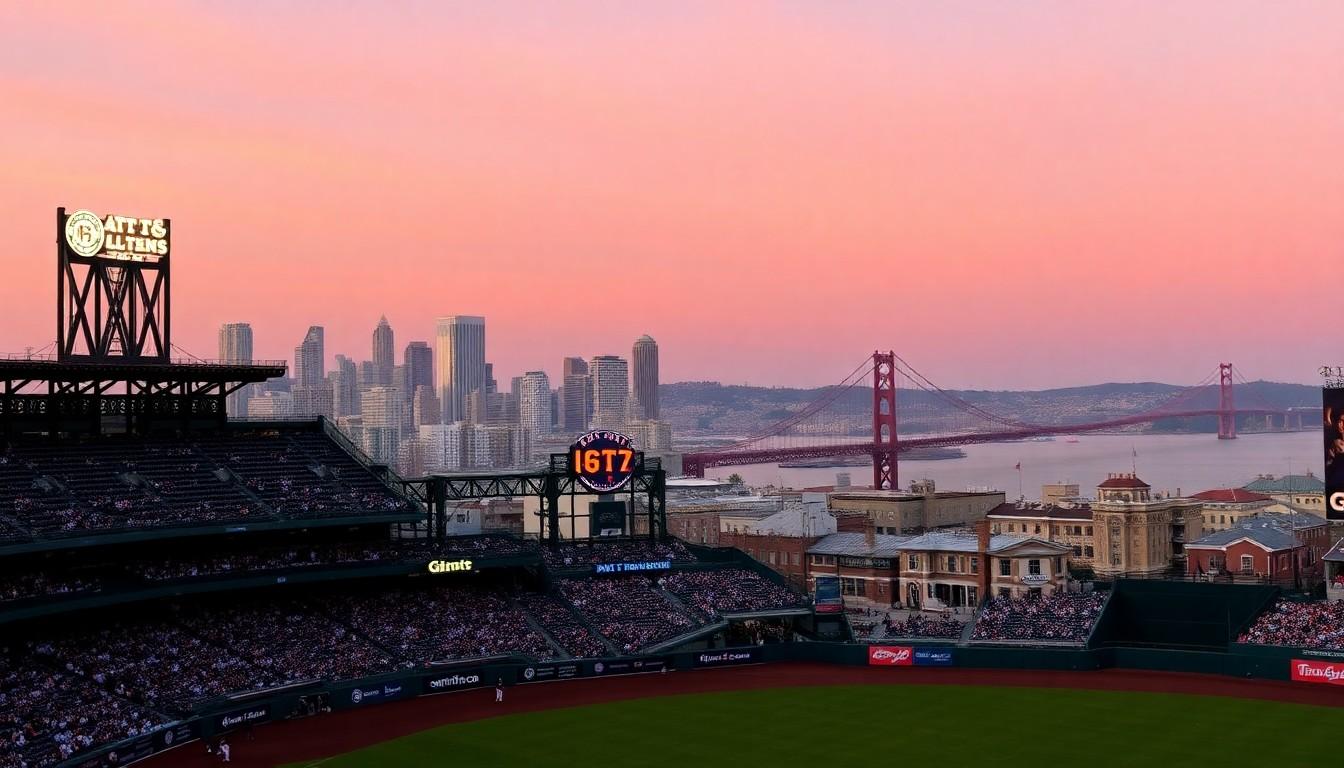
Watchers of sport and culture noticed a splashy incident in San Francisco this week: several Giants pitchers altered or refused the team’s Progress Pride caps during Pride Night, touching off a debate about inclusion, religion and what team events are meant to signal. Here’s what went down, why it matters to fans, and how clubs might handle moments like this going forward.
Essential Takeaways
- What happened: Several San Francisco Giants pitchers either declined the Progress Pride cap or added a Bible verse beside the rainbow design, prompting swift public reaction.
- Team response: The Giants apologised, saying the players’ actions caused pain and anger among LGBTQ+ fans and community partners.
- Players’ explanation: At least one player, Landen Roupp, said he meant no hate and encouraged critics to read the Bible; others framed their actions as religious expression.
- Community reaction: Many LGBTQ+ supporters saw the move as undermining a team-sponsored celebration, while some defended players’ rights to personal belief.
- Why it matters: The episode spotlights how sports clubs balance inclusive programming with individual expression, especially in cities with strong LGBTQ+ histories like San Francisco.
What actually happened on Pride Night , a clear, visual moment that split opinion
The moment was simple and visible: during a team event where the Giants’ caps featured Progress Pride colours, a handful of pitchers chose different responses. Some wrote a Bible verse next to the rainbow, and one reportedly declined the cap entirely. The gestures were small but tactile , a cap altered, a verse inked , and that made the message impossible to ignore.
San Francisco has long held a reputation as one of baseball’s most LGBTQ+-friendly franchises, with decades of Pride programming and HIV awareness work. That history is why the reaction was so sharp; fans expected the club’s symbols to align with the celebration the night promised. For many, the altered caps felt like a public refusal to share that message.
How the club handled the fallout , apology, acknowledgement, and context
The Giants’ front office responded quickly, issuing a statement that acknowledged the hurt caused and apologised. That public apology read like an attempt to protect long-standing relationships the team has built with LGBTQ+ fans and community groups. In a city where Pride events are a civic touchstone, the organisation’s swift response tried to re-centre the club on inclusion.
Still, apologies don’t erase the image. Outlets including Outsports and SFGATE traced the incident against the Giants’ history of advocacy, and the team’s statement reflected that context. For franchises, the lesson is clear: when a team brands an event, individual departures from that branding can become organisational problems, fast.
Players’ perspective , faith, intent, and the limits of expression at work
Several players defended their actions as expressions of personal faith rather than hostility. Landen Roupp publicly said he didn’t intend harm and suggested critics read the Bible for context. Supporters argue athletes should be allowed private beliefs and that public spectacle doesn’t always equal personal endorsement.
But many fans counter that joining a team-organised Pride night carries a social responsibility. Wearing team kit at a public, coordinated event is a visible endorsement of the event’s purpose; altering that kit sends a different message. The tension here is old but sharpened, because professional sport blurs private identity and public platform in ways few other jobs do.
Broader debate , sport, inclusion, and the tricky work of community signalling
This episode feeds a bigger conversation across professional sport about how teams manage inclusion while respecting diverse beliefs. Some clubs try to accommodate both by allowing personal expression, others set clearer expectations for team events. Reports suggest the Giants’ Pride Night controversy will be referenced in future policy discussions across baseball.
In practice, teams can reduce friction by setting clearer rules ahead of branded events and by having pre-event conversations with players about the purpose and partners involved. That won’t erase every conflict but can keep surprises off the field and out of social feeds.
What fans and clubs can learn , simple moves that make big differences
If you’re a fan weighing where to stand, remember these events are both symbolic and practical: a Pride Night is a public commitment from a team, and fans read those signals closely. Clubs that mean to show solidarity should match messaging, merchandise and management expectations so the night’s intent isn’t muddled.
For clubs, a few practical steps help: communicate expectations early, offer alternatives for those with objections (for instance, private conversations rather than public defiance), and work with community partners to repair trust if something goes wrong. It’s about respect and predictability as much as about policy.
It's a small moment with outsized resonance , and a reminder that visibility and values in sport rarely stay on the pitch.
Source Reference Map
Story idea inspired by: [1]
Sources by paragraph: