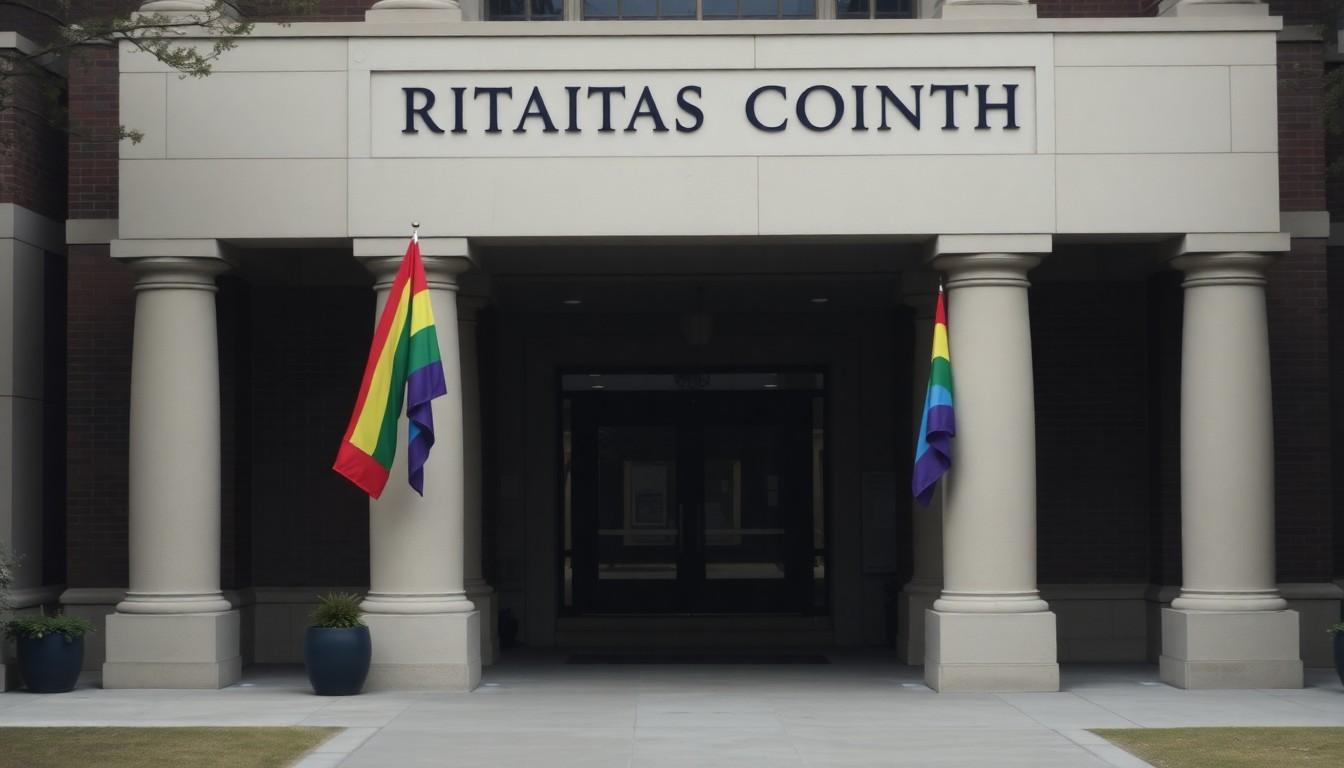
Shoppers for campus culture are noticing a quiet retreat: dozens of colleges have scaled back Pride Month displays and events this June as federal pressure pushes institutions toward a neutrality stance , a shift that matters to students, staff and anyone watching higher education culture wars.
Essential Takeaways
- Widespread pullback: Multiple campuses removed Pride flags, deleted social posts or stopped sponsoring local Pride events, signalling a cautious approach.
- Federal nudge: The Education Department’s renaming of June as Title IX Month and stepped-up enforcement has prompted colleges to reassess public displays.
- Mixed responses: Some universities, including CUNY and Howard, kept Pride programming, while others quietly scaled back to avoid potential funding disputes.
- Practical effect: Students report fewer visible symbols of support, meaning LGBTQ+ communities may feel less seen even if some programming continues.
- What to watch: Look for more compliance workshops, reduced sponsorships of community events, and campus debates over free expression versus policy risk.
Why colleges are going quiet on Pride , and what that looks like
The most visible change this June was a string of removed flags and deleted social posts, a small sensory detail that feels suddenly loud on campus. According to reporting in Inside Higher Ed and follow-ups, schools from UNC campuses to Lamar University took down Pride-themed content or displays in recent weeks. For many students, the absence is immediate: fewer rainbow flags, fewer celebratory posts, a quieter online presence.
This pullback didn’t emerge from nowhere. The Education Department under the current administration has reframed June as Title IX Month and signalled tougher probes into perceived political activity by institutions. Administrators appear to be weighing the symbolic cost of visible Pride support against the very real risk of federal scrutiny over alleged bias.
If you’re wondering whether a lack of flags means a collapse of campus support, the answer is: not necessarily. Some universities carried on with events or internal programmes, but they made choices about what was public-facing. That distinction matters to students who rely on visible markers of safety.
The federal thread: Title IX Month and college caution
The Education Department’s move to highlight Title IX this June has been described by officials as a corrective to previous administrations’ policies. A department spokesperson framed actions as enforcing sex-based protections; critics see the designation as a way to discourage Pride visibility. Either way, colleges are responding.
Universities holding compliance workshops or issuing guidance on Title IX are signalling institutional caution. Administrators tell staff and students they must balance support for LGBTQ+ communities with legal compliance; for many that balance currently means less public fanfare and more behind-the-scenes programming.
If you’re a parent or prospective student, ask admissions or student services about the campus climate and whether visible support measures are symbolic or substantive. A campus without flags can still have strong resources , but you’ll want to know where they live.
Where some schools stood their ground , and why it matters
Not every campus went quiet. City University of New York and Howard University publicly sponsored Pride activities, showing that institutional priorities still vary widely. Those differences matter: students on campuses that maintained visibility reported feeling more affirmed, while others described a creeping anxiety as symbols were painted over or removed.
This divergence reflects broader trends in higher education: public universities with larger political risk calculations may scale back public displays, while institutions rooted in community engagement or with different leadership priorities continue visible celebrations. When evaluating a school, look past headlines and ask student groups how events were funded and whether they were curtailed.
Practical tips for students, staff and community groups
If Pride visibility matters to you, there are a few practical ways to get clarity. First, check official campus calendars and student group pages rather than relying on one social feed. Second, ask for written policies from student affairs about what counts as sponsored activity , that will show whether events were quietly de‑sponsored. Third, if you’re organising, consider hybrid or private events so community support can continue without creating institutional exposure.
For donors and alumni who want to help, targeted support for student-run groups and confidential counselling services often has immediate impact. And for anyone feeling unsettled, reach out to campus LGBTQ+ centres: many are still operating, even if outward signs are muted.
What this means for campus culture and the months ahead
This month’s roll‑back of visible Pride cues is a small, textured symptom of a larger tug-of-war between federal direction and campus autonomy. Scholars quoted in recent coverage suggest elite institutions are unlikely to formally embrace a federal Title IX Month if it feels like political imposition , but frontline administrators may still recalibrate what they display.
Looking forward, expect more nuanced shifts: compliance trainings, changes in sponsorships, and ongoing local debate. The loss of a flag doesn’t erase community, but it does change daily campus life , and that’s why students, parents and staff are watching so closely.
It’s a small change that can make every campus conversation about safety and visibility feel more urgent.
Source Reference Map
Story idea inspired by: [1]
Sources by paragraph: