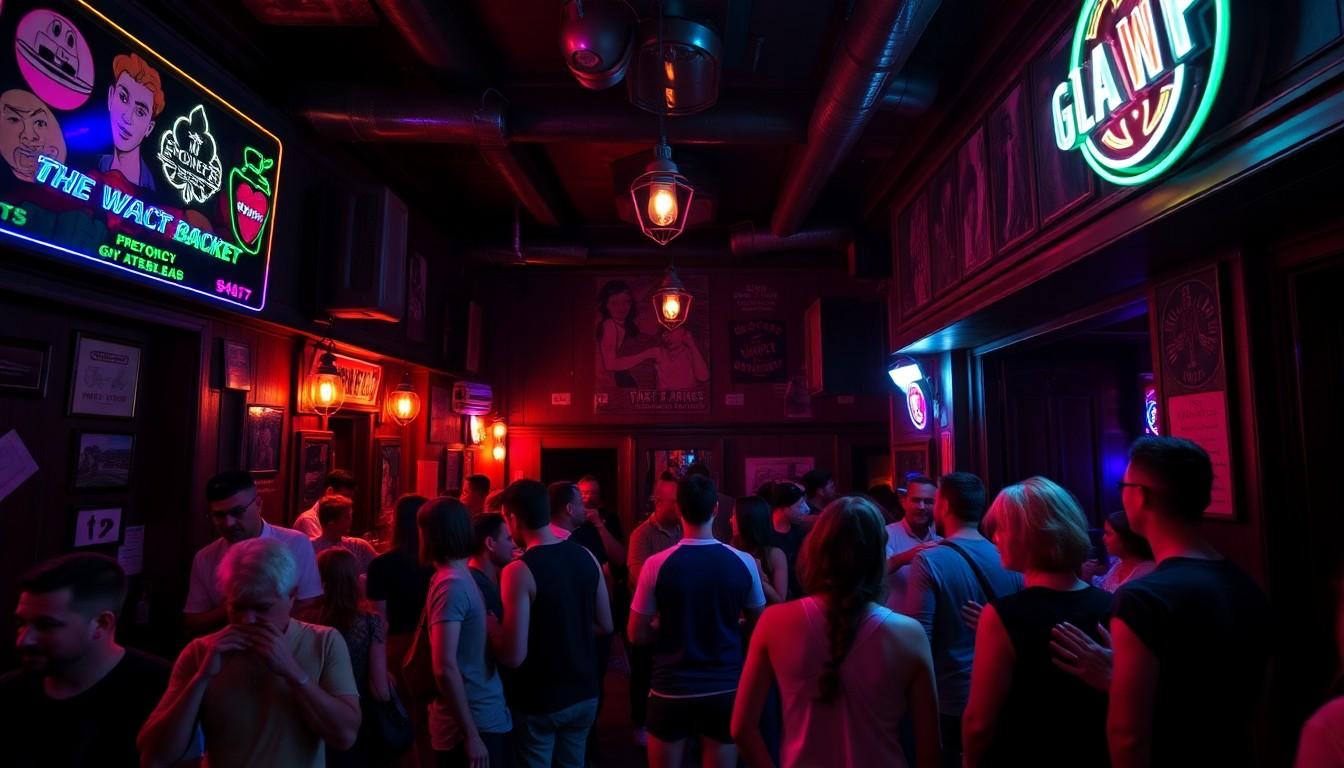
Watchful crowds have noticed two high-profile allies this Pride Month: Julia Roberts used a New York concert to honour a queer mother lost to violence, while Kamala Harris dropped into The Abbey in Los Angeles to celebrate with crowds , both gestures that matter for visibility, solidarity and momentum.
Essential Takeaways
- Notable public tribute: Julia Roberts spoke at RISE UP, SING OUT in New York, honouring Renee Nicole Good with a poem and a call to carry her legacy.
- Surprising, joyful presence: Kamala Harris made an unannounced visit to The Abbey in West Hollywood, greeting people warmly and wishing them “Happy Pride.”
- Historic context: Harris has a track record supporting LGBTQ+ rights, including early actions to recognise same-sex unions in California.
- Emotional tone: Both appearances combined solemn remembrance and celebratory connection, giving Pride both gravity and joy.
- Practical impact: Celebrity allyship can amplify calls for justice and keep local stories in national view, but meaningful change needs sustained policy and community work.
How a single speech can turn a concert into a moment of civic duty
Julia Roberts’ appearance at RISE UP, SING OUT felt both intimate and urgent, a quiet, resonant recognition amid an evening of music and solidarity. The crowd reacted to the softness and gravity in her voice, the kind of moment where you could almost hear the room lean in.
The event was billed as a concert for the First Amendment and drew a mix of artists and public figures, so Roberts’ tribute to Renee Nicole Good plugged a personal tragedy into a broader civic argument. According to listings for the event, organisers meant it as a night of song and action, and Roberts’ words turned the abstract into a person you wanted to remember.
For readers wondering why this matters beyond headline optics: public honours like this help keep pressure on systems , law enforcement, immigration oversight, accountability mechanisms , that communities say failed Renee Good. If you want to support similar causes, look for local vigils, legal advocacy groups and arts-led remembrance events.
A surprise visit that felt like a hug for a community
When Kamala Harris walked into The Abbey, it had the easy warmth of someone stepping into a room they wanted to celebrate with. Video clips showed her and her husband greeting people, exchanging smiles and quick hellos that landed as sincere rather than staged.
Harris’ appearance resonates because it’s consistent with a longer public record of support; it’s not a one-off photo op. Back in California, she was among officials who pushed to recognise same-sex marriages early on, a detail people still recall fondly. That history makes a pop-in to a West Hollywood bar feel like more than a photo , it’s continuity.
If you’re organising Pride events, a takeaway is to make space for unplanned moments like this. They’re often the most viral, because they’re joyful and human , the cheap ticket is authenticity, and communities notice.
Celebrity allyship: visibility, yes , but what else should you expect?
Celebrities and politicians have different powers. An actor at a concert can spotlight a single story and push hearts; a vice-president can remind people of policy legacies and lend institutional weight. Both have value, but neither substitutes for grassroots organising.
Industry and event pages show how these appearances fit into broader campaigns or benefit shows. For consumers, that means checking who’s actually funding or organising an event before donating or amplifying it. Look for transparency on where proceeds go and whether local groups are leading the response.
In short: cheer the moments, but back them up with action. Volunteer, donate to local LGBTQ+ legal funds, and follow community-led calendars for sustained support.
What Pride visibility actually changes on the ground
Visibility creates political oxygen; it changes how people talk about issues and can influence who shows up at the ballot box. A touching tribute or a surprise visit keeps stories alive in national conversation, which helps maintain momentum for policy change.
That said, change also needs legal work and sustained advocacy. If a celebrity moment inspires you, channel that goodwill into something concrete: contact your local representative, support community bail funds, or join civic groups that defend civil liberties.
People on the ground often say the best allyship is quiet, consistent, and local. Celebrities amplify , communities do the work.
How to respond if you want to help after seeing moments like these
If Roberts’ tribute or Harris’ visit moved you, here are simple steps: share verified information from organisers, donate to reputable local charities tied to the event, attend vigils or panels that centre affected families, and amplify the voices of survivors and community leaders rather than centring celebrities.
Small actions add up. Show up to a local Pride event, volunteer time, or sign petitions that push for accountability and better protections.
It's a small change that can make every show of solidarity mean more.
Source Reference Map
Story idea inspired by: [1]
Sources by paragraph: