Shoppers and Pride-goers are turning out to see a new travelling exhibit and documentary that spotlight eight Milwaukee LGBTQ elders, their activism, and why preserving these local stories matters now more than ever during Pride Month. It’s a visual, personal celebration that connects past struggles to today’s community vitality.
Essential Takeaways
- Exhibit focus: Eight Milwaukee-area LGBTQ elders share first-person stories about activism, community building, and resilience.
- Documentary tie-in: A feature film accompanies the exhibit; screening at the Oriental Theatre includes a post‑show Q&A and suggested $10 donation.
- Historic importance: The project preserves memories at risk of erasure and highlights milestones like Israel Ramón becoming Wisconsin’s first Latino constitutional officer.
- Visitor experience: Personal portraits and narrated panels make the displays intimate, vivid, and easy to engage with.
- Access note: The screening is first-come, first-served with 150 seats; arrive early to secure a place.
A vivid, personal look at Milwaukee’s queer past
The exhibit opens with a sensory nudge , portraits, archival photos and voice-led narratives make the elders’ stories feel immediate and human. According to local coverage, each honouree tells their own story, which turns history from dates into lived moments you can sense and relate to. That intimacy is exactly the point: these aren’t museum curiosities, they’re neighbours and leaders whose lives helped build Brew City’s queer fabric.
The Wisconsin LGBTQ History Project organised the work to capture testimonies before they fade. Organisers told reporters that when elders pass without sharing their memories, an important part of community history disappears. The exhibit’s storytelling approach feels like sitting in someone’s living room while they tell you how everything changed.
Why preserving these stories matters now
The project’s backers point out a simple but urgent truth , historical erasure isn’t abstract. When narratives are lost, whole generations risk being pushed back into invisibility. Dan Terrio of the Wisconsin LGBTQ History Project noted that recording these voices resists that erasure and creates a sense of lineage for younger people.
This work ties into a larger national movement to document LGBTQ elders’ lives, as public debates and policy shifts make historical memory especially fragile. For visitors, that adds an extra emotional register: you’re not just learning history, you’re participating in keeping it alive.
Meet the honourees and why they matter
Among the eight featured is Israel Ramón, Milwaukee County Register of Deeds, whose decades of advocacy culminated with his 2019 election as the state’s first Latino constitutional officer. His story, local outlets report, offers both civic milestones and personal grit , the sort of narrative that inspires young activists wondering what’s possible.
Other honourees represent a range of civic, cultural and grassroots work across Metro Milwaukee, from organising safe spaces and Pride events to providing legal help and healthcare access. The collection shows that community-building wears many hats, and that small, steady acts often lay the groundwork for larger change.
The film screening: what to expect and how to go
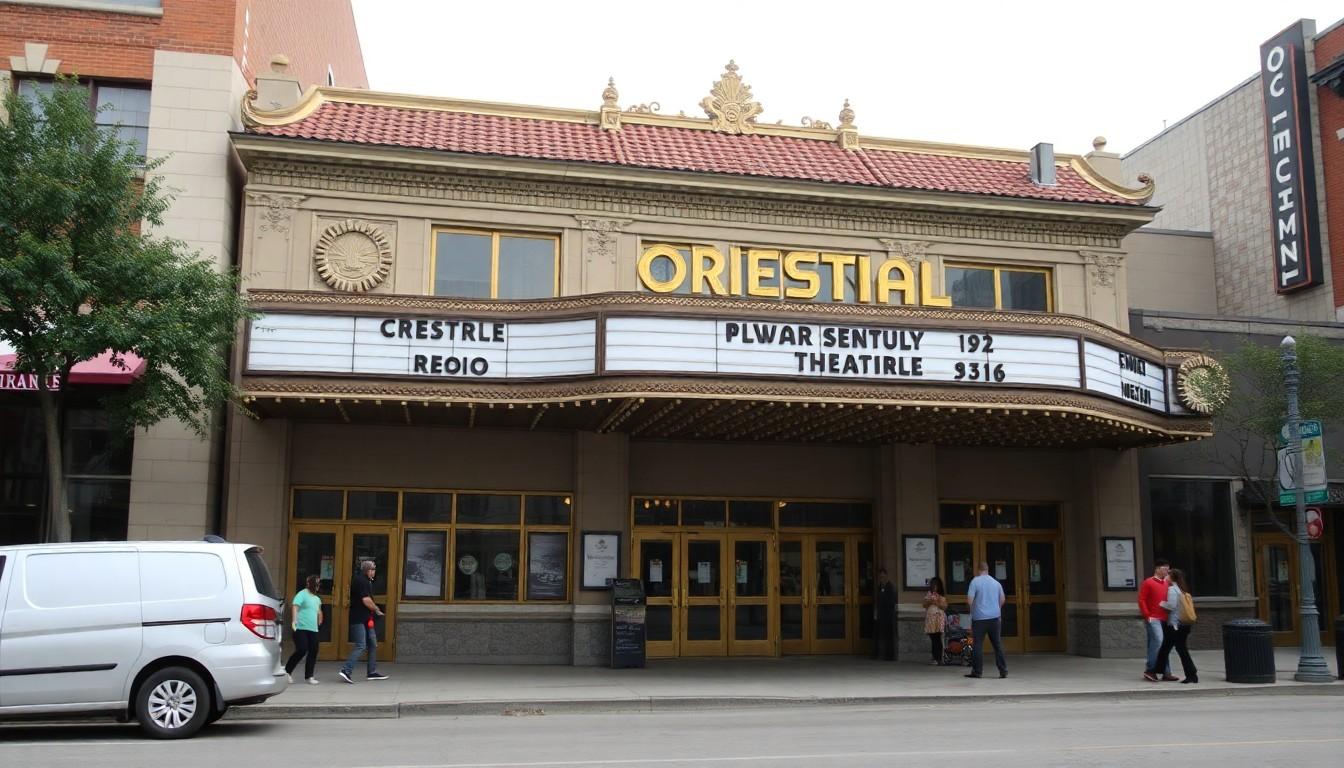
The exhibit is paired with a documentary screening at the Oriental Theatre where the elders appear on camera, telling their own stories. Local outlets advise arriving by 6pm for a 6.30pm start; organisers request a $10 door donation and seating is limited to 150 on a first-come basis.
After the screening there’s a moderated Q&A , a rare chance to hear storytellers expand on what’s on screen and for the audience to ask questions. If you plan to attend, get there early, bring cash for the donation and be ready for an evening that blends film with live conversation.
How to experience and support similar projects
If you find the exhibit moving, consider a few simple actions: share the show on social media to widen its reach, donate to the Wisconsin LGBTQ History Project, or volunteer to help document local elders in your area. Local cultural journalism and community groups often partner on oral-history projects, and small contributions help preserve tapes, transcripts and exhibitions for future generations.
These initiatives are most powerful when they become ongoing work rather than one-off events. Supporting them means the next generation can look back and recognise their roots.
It's a modest but meaningful way to make sure every story stays in the light.
Source Reference Map
Story idea inspired by: [1]
Sources by paragraph: