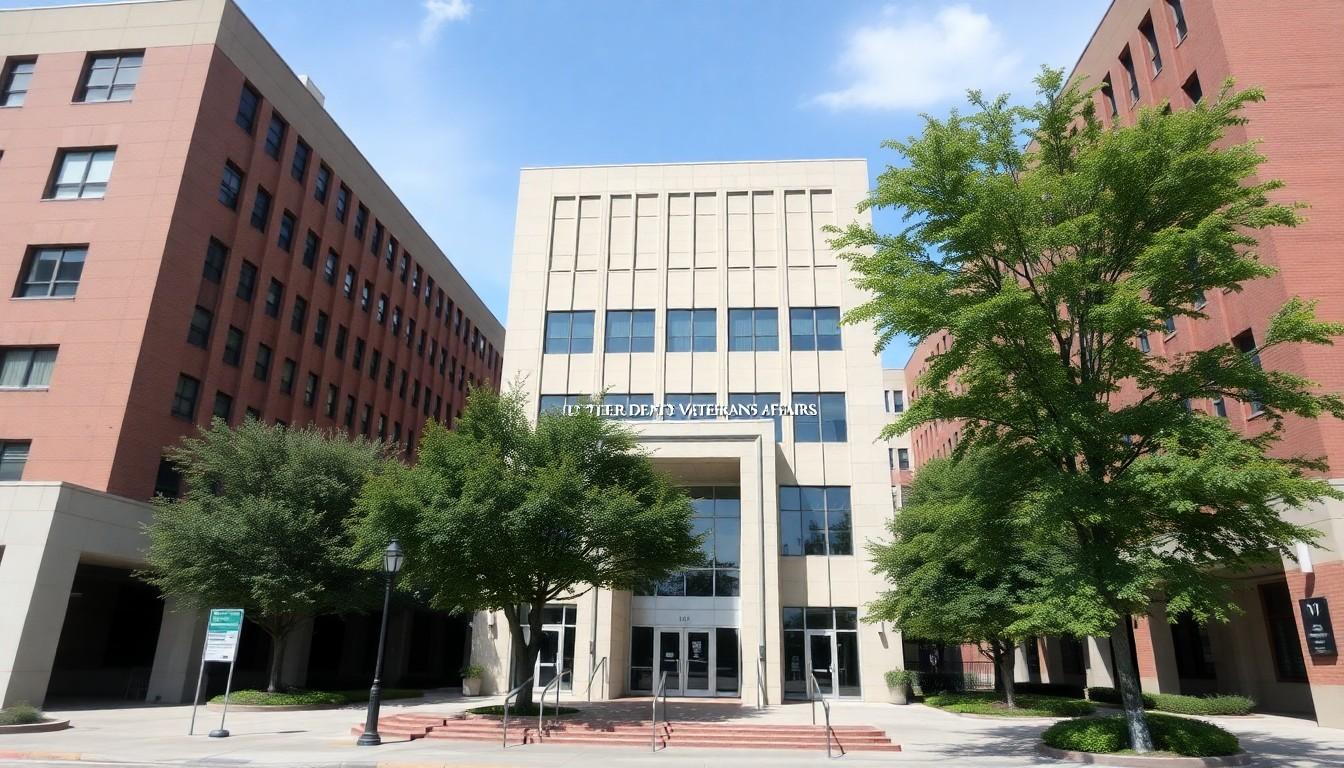
Shoppers are noticing policy shifts at the VA: a June memo directs facilities to strip gender-identity programmes and remove LGBTQ+ designations from veteran care roles, raising alarms among advocates and veterans who say those services matter for access and dignity. Here’s what changed, why it matters, and what veterans can do next.
Essential Takeaways
- Policy change: A June 12 memorandum orders Veterans Health Administration facilities to eliminate LGBTQ+ and gender-identity specific initiatives and remove LGBTQ+ labels from care coordinators.
- Leadership sign-off: The directive was signed by John J. Bartrum, the VHA’s Under Secretary for Health, who oversees the VA’s health system.
- Why it matters: Research and VA materials show LGBTQ+ veterans face higher risks of discrimination, housing instability and mental-health stressors, so targeted supports have been used to improve care access.
- Practical result: LGBTQ+ Veteran Care Coordinators will be redesignated simply as Care Coordinators, potentially obscuring specialised knowledge and referral pathways.
- Next steps: Veterans and advocates are watching implementation closely; continuity of care remains in place, but targeted visibility and resources may be reduced.
What the memo actually does , clear, quiet changes with big implications
The headline move is simple and administrative, but the feel is immediate: remove identity-based labels and fold designated programmes into general services. According to reporting, the VA memorandum instructs facilities to comply with executive orders limiting diversity, equity and inclusion work, and to remove gender-identity tied efforts. That means roles once listed as LGBTQ+ Veteran Care Coordinators will no longer carry that badge, which for many veterans served as a clear signpost to safe, knowledgeable help. For anyone who’s ever relied on a named contact to navigate benefits or health services, this kind of change smells of losing a small but important beacon.
Why those programmes were set up in the first place
The VA’s own materials and peer-reviewed studies show the need was not invented overnight. Research published in medical journals and VA health-equity pages documents higher rates of discrimination, housing instability and specific mental-health stressors for LGBTQ+ veterans. Those patterns informed the creation of targeted support: coordinators who understood community-specific barriers, outreach tailored to needs, and training meant to reduce stigma at the point of care. Take those away and you risk making care feel less welcoming , which, as the VA itself notes, can discourage veterans from seeking or continuing treatment.
How this fits into the wider policy picture
This memo isn’t occurring in isolation. It follows a broader federal push to reassess DEI programmes and to narrow administrative recognition of transgender people in some contexts. Axios and other outlets have tracked related VA decisions, especially around gender-affirming care for trans veterans. The trend suggests a shift from visible, identity-specific supports toward more generalised services, which some policymakers argue are fairer, while advocates counter that one-size-fits-all approaches erase necessary protections and expertise.
What everyday veterans might notice at their clinic
On the ground, the immediate effect could feel subtle: the person who used to be listed as an LGBTQ+ point of contact might remain the same individual but lose the label that made them easy to find. That matters because labels signal experience and trust. Practically, veterans may see fewer outreach events explicitly branded for sexual- and gender-minority veterans, and less targeted training for staff on LGBTQ+ health needs. If you’re a veteran who’s used those services, it’s worth asking your local facility who to call for matters like housing referrals, mental-health support or questions about gender-affirming care.
How veterans and allies can respond , practical steps
Keep records and ask questions. If you spot a change at your facility, note dates and who you spoke to; that helps advocates and watchdogs track implementation. Reach out to national and local veteran LGBTQ+ organisations , they often maintain independent directories and can advise on alternative resources. The VA’s health-equity pages still describe disparities and the rationale for tailored care, so use that information when advocating for continued specialised services. And if you’re concerned about access to gender-affirming treatments or mental-health care, request written clarification of your entitlements from your VHA facility.
It's a small administrative shift with outsized emotional weight for many veterans, so keep asking questions and stay connected to community resources.
Source Reference Map
Story idea inspired by: [1]
Sources by paragraph: