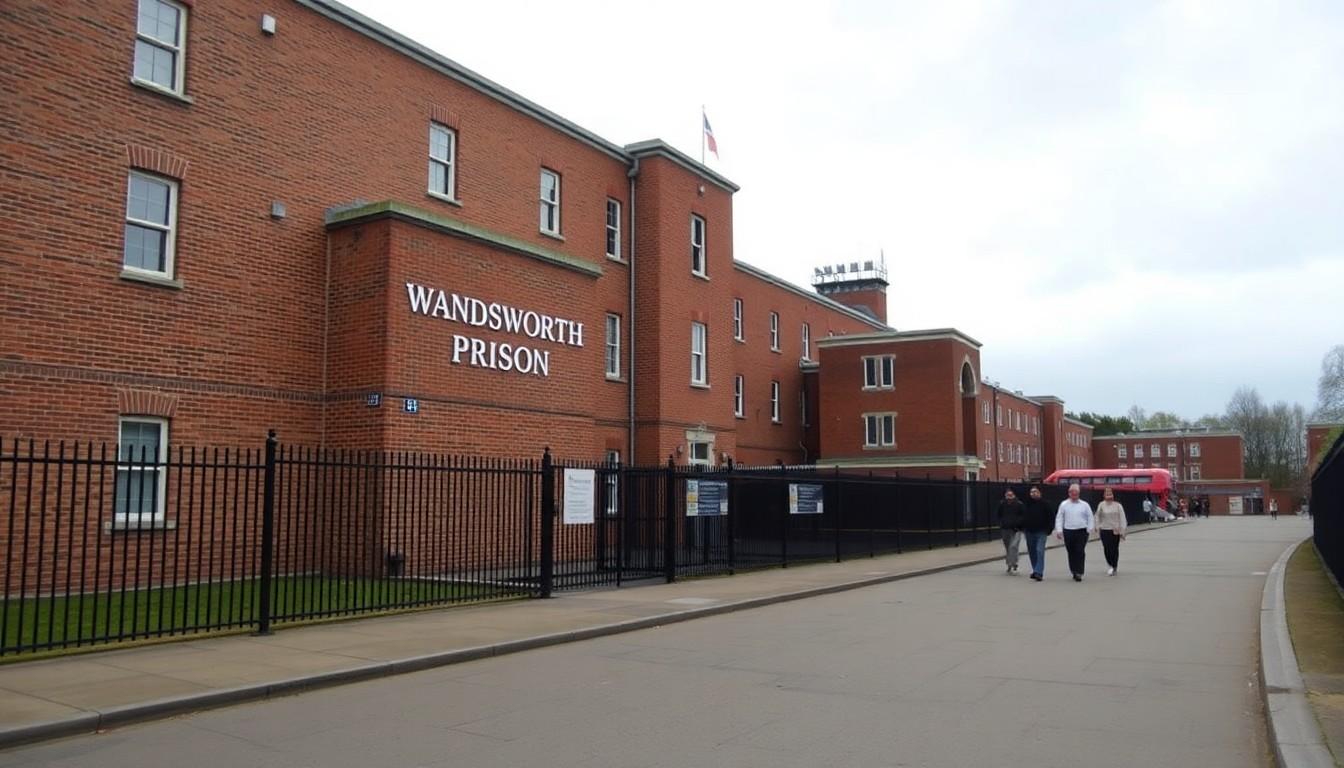
Shocking stats and first‑hand accounts show LGBTQIA+ prisoners face higher risks inside England and Wales’ jails, so prison leaders and policymakers must act now to reduce harm, improve health access and stop segregation from feeling like a second punishment.
- Higher recorded hate crimes: Police data for 2025 shows roughly 19,000 sexual‑orientation hate crimes and about 4,000 transgender hate crimes in England and Wales, signalling a wider social problem that can spill into custody.
- Underreporting is big: Most prisoners don’t declare sexual orientation; official figures show 97% of those who did identified as heterosexual, and only 339 people declared as transgender in 2025, so many needs are invisible.
- Segregation has costs: Protective separation can reduce immediate harm but often increases isolation, stigma and restricted freedoms, making it feel like extra punishment.
- Health and safety gaps: LGBTQIA+ prisoners face barriers to appropriate healthcare, contraception, confidential STI screening and gender‑affirming treatment, which raises mental‑health and physical‑health risks.
- Practical fixes exist: Better staff training, clearer inclusion policies, visible allyship, equitable healthcare access and reviewing safeguarding through an LGBTQIA+ lens can start to change daily life on the wings.
Why the numbers matter to what happens behind bars
Police figures for 2025 underline that hate crimes motivated by sexual orientation and gender identity remain significant in the community, and those pressures don’t stop at the prison gate. Officials and campaigners say underreporting in custody is a major blind spot, so the snapshot of only a few hundred trans-identifying prisoners likely underestimates true need. That invisibility shapes policy: if prison commissioners think there are only a few people affected, resources and training follow suit.
Segregation: protection that feels like punishment
Prisons often segregate LGBTQIA+ people to keep them safe from violence and sexual assault, but segregation limits association, visits and education. For someone already in a tense, confined environment, being moved to a separate unit can feel like another sentence. Researchers and advocates argue that protective measures should balance safety with dignity , for instance, offering safer housing options without cutting people off from normal prison life and family contact.
Trans prisoners face distinct, urgent barriers
Transgender prisoners report higher rates of depression and self‑harm and often struggle to access gender‑appropriate clothing, safe washing facilities and medical care. Allocation by biological sex still dominates, which can lead to daily indignities and safety concerns. Experts recommend consistent, well‑publicised policies on gender identity, plus staff training so requests for healthcare or adaptations are treated as routine, not exceptional.
Culture, masculinity and the cost of staying silent
Prison cultures can reward hypermasculinity and silence. In that environment, many LGBTQIA+ prisoners conceal who they are to avoid abuse, leading to chronic stress and isolation. Practical interventions include visible signage that communicates zero tolerance for homophobia and transphobia, regular staff briefings, and building ally networks so prisoners know who they can safely talk to.
Health services: confidential screening, contraception and continuity of care
STIs and HIV are more common in prison populations, yet fear of breaches of confidentiality discourages testing and treatment. Access to contraception varies across establishments and the prohibition of sex can make prisoners reluctant to ask for protection. A simple start is standardising confidential sexual health services, ensuring continuity for gender‑affirming treatments, and training healthcare staff on LGBTQIA+ needs so prisoners don’t avoid care.
What meaningful reform looks like in practice
Policy changes are one thing; lived experience is another. Inclusion policies must be enforceable, not just words on a wall. That means investing in sustained staff training, reviewing safeguarding through an LGBTQIA+ lens, creating library and education materials that reflect queer lives, and supporting peer ally networks. Small, visible steps , better signage, a named staff contact for LGBTQIA+ issues, clearer routes for confidential reporting , can change the daily atmosphere and, crucially, save lives.
It's not enough to recognise the problem; doing something, however modest, starts the ripple that improves safety and dignity for everyone inside.
Source Reference Map
Story idea inspired by: [1]
Sources by paragraph: