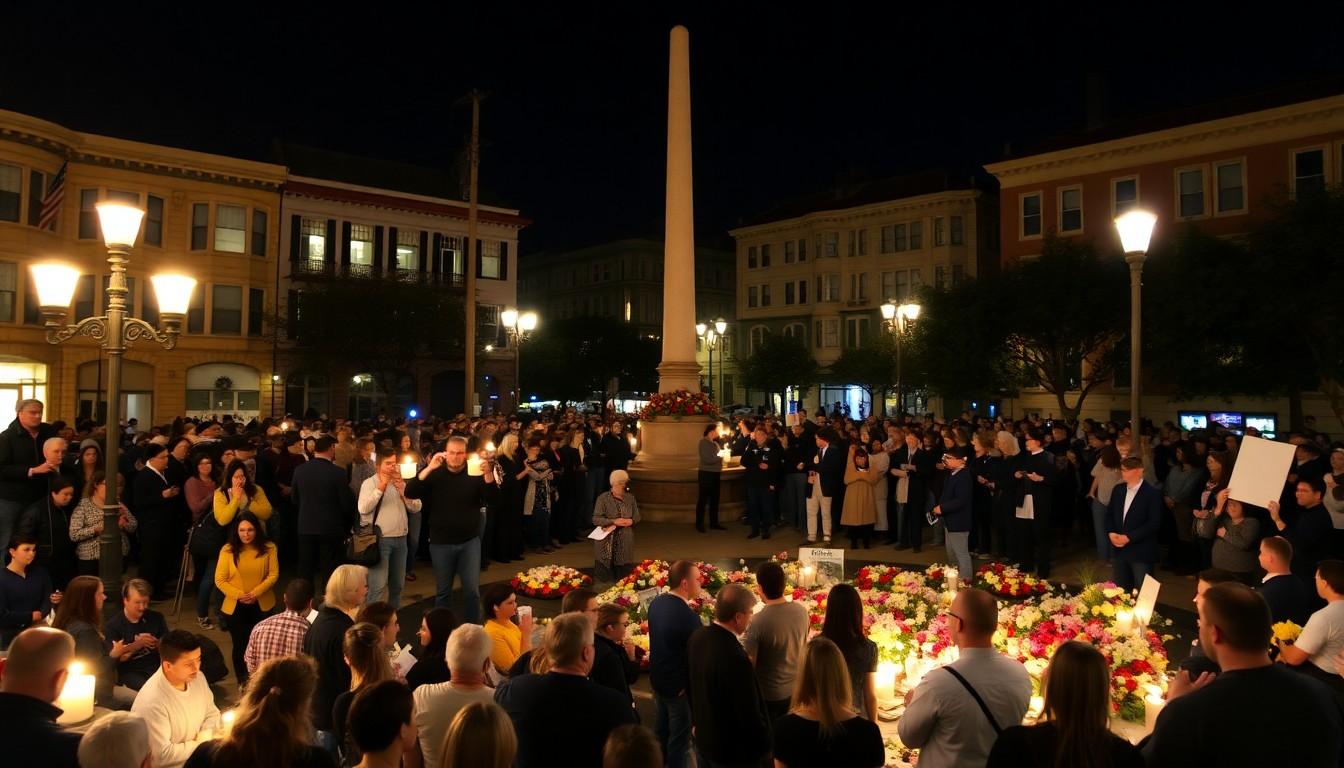
Shoppers, neighbours, activists and queer organizers gathered in San Francisco’s Castro to mark the tenth anniversary of the Pulse nightclub massacre , a quiet, foggy evening that brought people together to grieve, reflect and keep alive the memory of 49 lives taken in 2016.
Essential Takeaways
- Local vigil: San Francisco’s Castro held a candlelit memorial at Jane Warner Plaza on June 12, drawing dozens to remember the 49 victims.
- Speakers represented many voices: Trans, Latine, queer and cultural leaders spoke, offering personal recollections and calls to action.
- Pulse’s legacy: The Orlando club’s site was bought by the city and is being replaced by a permanent memorial planned for 2027.
- Ongoing concern: Organisers noted that violence and anti-LGBTQ legislation continue to threaten safety, keeping the issue urgent.
A melancholy evening in the Castro , quiet, foggy, resolute
The strongest image from the vigil was simple: candles glowing under the Twin Peaks mist, people clustered to listen and remember. Attendees reported a hush that felt both personal and public, the sort of quiet that makes space for raw emotion and steady resolve. According to local reports, organisers staged the event at Jane Warner Plaza on the anniversary date to create a visible moment of communal mourning. For many, that visibility matters , it transforms grief into collective memory and signals that the losses weren’t forgotten.
Voices that mattered , who spoke and why it counted
Speakers at the Castro event included a mix of activists and cultural figures, from San Francisco’s drag laureate to leaders of Latinx arts organisations and harm-reduction policy experts. They brought personal testimony and policy-minded appeals, reminding the crowd that remembrance and activism often travel together. Attendees said these voices helped frame the event not just as a moment of sorrow but as a civic conversation about safety, inclusion and the long shadow of trauma.
Pulse’s site, the memorial timeline, and what to expect
City and national reporting indicates that Orlando bought the Pulse property and plans a permanent memorial slated to open in 2027, a project budgeted at several million dollars. That decision follows years of debate about how best to honour the victims while serving survivors and family members. The move from a damaged building to a dedicated memorial is a familiar pattern , turning a site of violence into a space for reflection , and it underlines a longer arc of public memory work that stretches well beyond any single anniversary.
Why Latine and trans experiences were foregrounded
The crowd and the speakers repeatedly acknowledged that many of the victims were young, Black and Brown, and that Pulse was a Latin Night hub as well as a queer refuge. That mix made the shooting especially devastating for Latine communities and for trans people who have long relied on nightlife as safe space. Organisers and survivors reminded attendees that remembering the victims means recognising the intersecting identities that defined their lives and the uneven ways violence affects marginalised groups.
From grief to policy , the urgent afterlife of remembrance
Speakers at the vigil urged honesty about current risks, pointing to continuing anti-LGBTQ violence and legislation as evidence that safety hasn’t simply returned. Several speakers framed the anniversary as both a memorial and a wake-up call , a prompt to press for protective laws, funding for prevention, and community-based supports. That blend of mourning and advocacy is common in anniversaries of mass violence; it keeps the story current and channels sorrow into practical demands.
How to mark anniversaries thoughtfully , tips for organisers and attendees
If you’re planning or attending a remembrance, think small and intentional: choose a public, accessible site; invite speakers who reflect the community’s diversity; provide resources for survivors and mental-health support; and balance ceremony with concrete calls to action. Offer quiet spaces for those who need to process privately, and visible ways to donate to survivor funds or memorial projects. These practical elements help make vigils meaningful and sustainable rather than purely symbolic.
It's a small change that can make every remembrance more compassionate and more effective.
Source Reference Map
Story idea inspired by: [1]
Sources by paragraph: